Give Us a Call Today

Dental Implant vs Bridge: Which One Is Right for Your Smile?

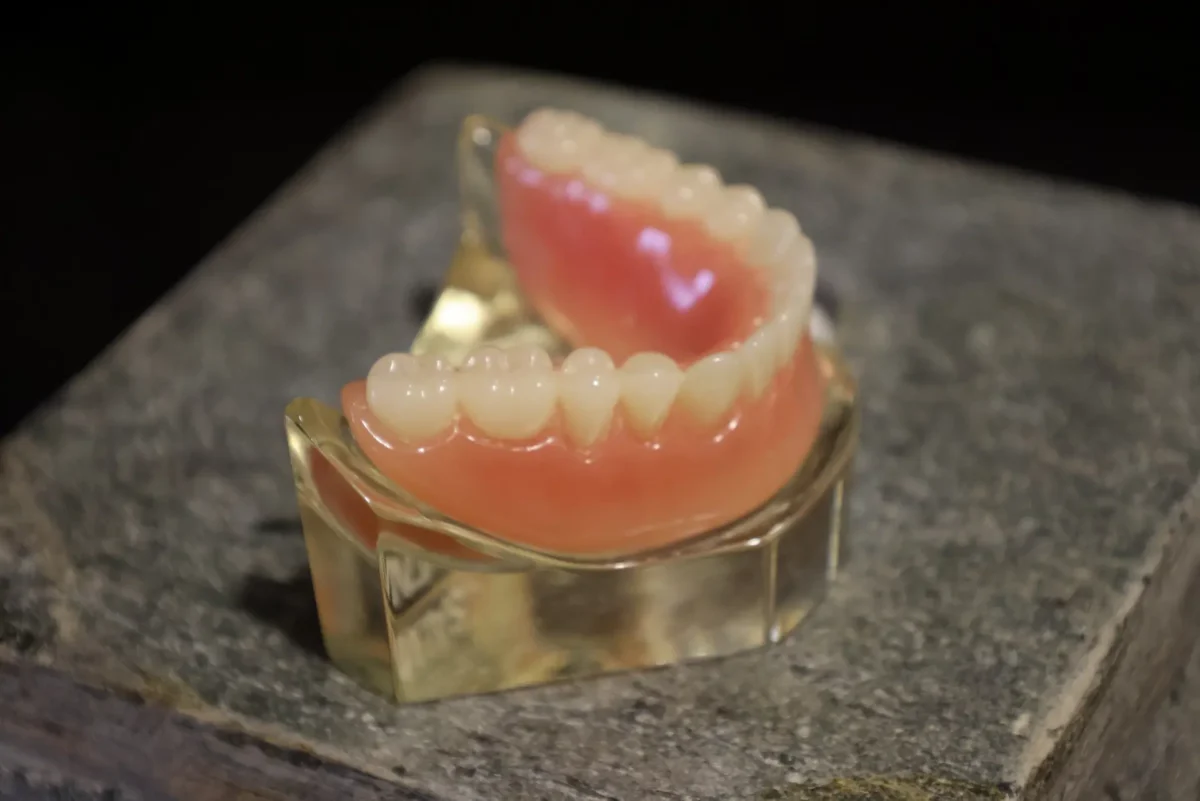
Tooth loss happens more often than many people realize. Studies show that a large number of adults between 35 and 44 have already lost at least one permanent tooth, and tooth loss continues to rise with age. By the time people reach their mid-70s, a significant portion no longer has their natural teeth.

Replacing a missing tooth early helps keep the rest of your teeth aligned, supports your facial shape, and makes eating and speaking easier. Two of the most dependable options for doing that are dental implants and dental bridges.

A bridge fills the space by attaching an artificial tooth to the teeth beside it. An implant replaces the missing tooth from the root upward, giving you a strong foundation for a custom crown.

Let’s discuss the differences between both options so you can choose the one that supports your oral health and long-term comfort.

What Is a Dental Implant?

A dental implant replaces a missing tooth by creating a new foundation inside the jaw. A small titanium or zirconia post is placed in the bone, where it gradually bonds and becomes strong enough to support a crown.

Implants are often recommended when a tooth cannot be saved or has already been lost. They look and feel natural, protect the jawbone from shrinking, and offer long-lasting stability.

What Is a Dental Bridge?

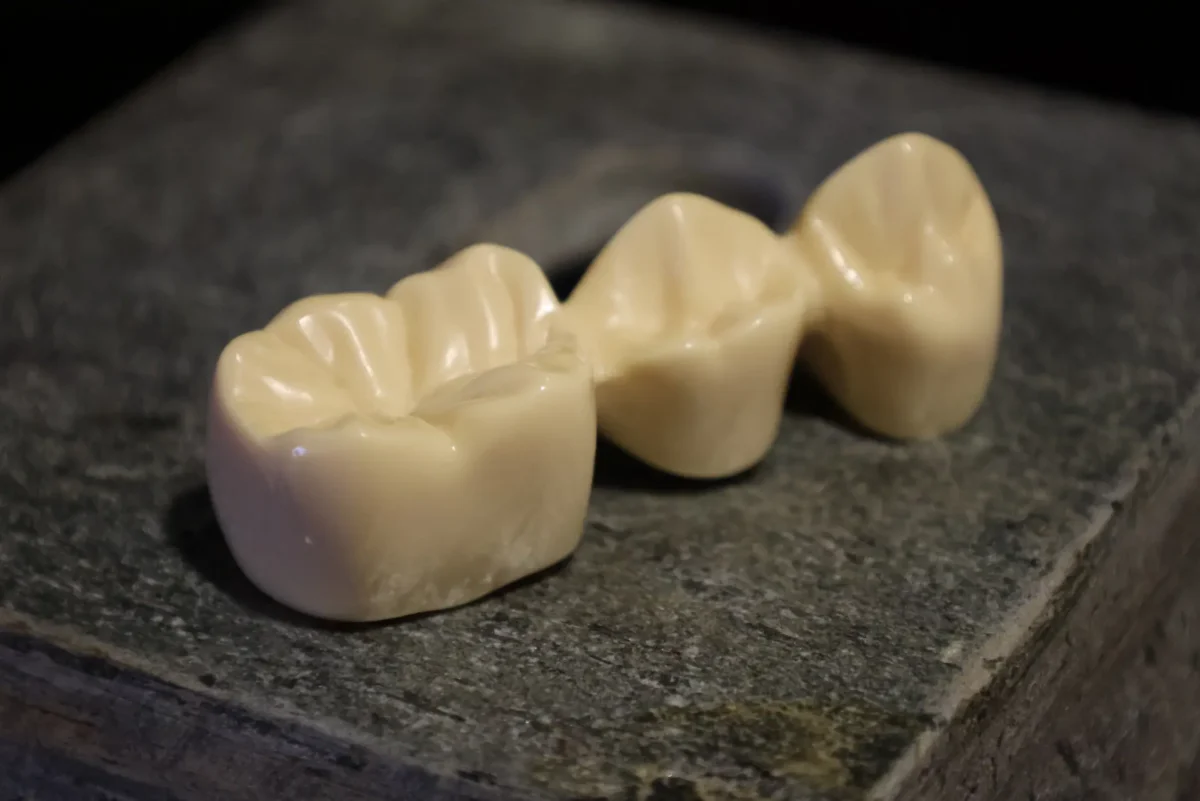
A dental bridge fills the space left by a missing tooth using the teeth on either side for support. Your dentist prepares the neighboring teeth and attaches a custom-made bridge that holds a new tooth in the middle. The entire piece is cemented in place so it feels secure when you chew or speak.

Bridges are often recommended when the surrounding teeth already need crowns or when a quicker solution is preferred. They restore the appearance of your smile and help keep nearby teeth from shifting into the empty space.

Dental Implant vs Bridge: Key Differences at a Glance

Here’s a simple side-by-side comparison to help you see how both options work and what they offer:

FeatureDental ImplantDental Bridge
PurposeReplaces a missing tooth from the root upReplaces a missing tooth by using nearby teeth for support
What It InvolvesTitanium or zirconia post placed in the jawbone with a crown attached after healingReady-made tooth connected to crowns placed on surrounding teeth
Impact on Adjacent TeethDoes not affect nearby teethRequires reshaping of the supporting teeth
Jawbone SupportHelps prevent bone lossDoes not stimulate the jawbone
Typical LifespanOften lasts you long-term with proper careUsually lasts many years but may need replacement sooner
Procedure TimeDepending on your unique situation, you can get your tooth fixed in a single visitShorter timeline with faster results
MaintenanceBrush and use water flosser like natural teethCareful cleaning around and under the bridge is needed
Best ForSingle or multiple missing teeth, long-term stabilityReplacing one tooth when surrounding teeth need crowns

When a Dental Implant Is the Better Option

A dental implant is often the best choice when you want a long-lasting solution that feels as close to a natural tooth as possible. It works well if the missing tooth was healthy before removal or if the surrounding teeth are strong and do not need crowns.

Implants also support long-term oral health. By replacing the root, they help keep the jawbone active and prevent bone loss in the area. This keeps your facial shape stable and reduces the risk of future problems.

If you want a durable replacement that stands on its own and protects the bone, an implant is usually the stronger option.

When a Dental Bridge Is the Better Option

A dental bridge is a practical choice when you want to replace a missing tooth quickly and the surrounding teeth can support the restoration. It is especially useful when those nearby teeth already need crowns, since the bridge can strengthen them while filling the gap.

Bridges also work well for patients who prefer a shorter treatment timeline. There is no healing period for the jawbone, so the entire process is usually completed within a few appointments.

If you need a faster solution or if the teeth next to the gap already require repair, a bridge can be an effective and reliable option.

How Dental Specialists Decide Between an Implant and a Bridge

Your dentist starts with a full exam and X-rays to understand the condition of your mouth. If the bone is healthy and the surrounding teeth are strong, an implant may be the best long-term choice. It stands on its own and protects the jawbone by acting like a natural root.

If the teeth next to the gap already need crowns or if you prefer a quicker solution, a bridge might be recommended. Your dentist will look at the health of your gums, the alignment of your bite, and your overall oral hygiene to determine which option will hold up best for you.

Replace Your Missing Tooth with Confidence at The Comprehensive Dental Group of Houston

Choosing between a dental implant and a bridge becomes much easier with the right guidance. Our team explains each option clearly, evaluates your tooth and bone structure, and recommends the solution that will support your smile for years to come.

With advanced imaging and personalized care, we make sure your treatment feels comfortable and your results look natural. Schedule your consultation now and let our specialists help you choose the best option for a healthy, confident smile.

Frequently Asked Questions

What is better, a bridge or an implant?

The better choice depends on your specific situation. An implant is stronger and lasts longer because it replaces the entire tooth, including the root. A bridge works well when you need a quicker solution or when the nearby teeth already need crowns. Your dentist will guide you toward the option that supports your long-term oral health.

Why is a dental bridge not recommended sometimes?

A bridge may not be the best option if the surrounding teeth are healthy and do not need crowns. It also does not protect the jawbone, so the bone in the missing tooth area can shrink over time. In these cases, an implant may offer better long-term stability.

Why would a dentist not recommend an implant?

A dentist may suggest waiting on an implant if the bone is too thin or if gum health needs improvement. Certain medical conditions can also slow healing. The good news is that these issues can often be corrected, and many patients who were not candidates at first can still receive implants later.

What is the downside of dental implants?

Dental implants don’t really have a “downside,” but they do require patience. The implant needs time to bond with the jawbone, and the initial cost is higher than other options. The benefit is long-lasting value. Once healed, implants look natural, feel secure, and often last for many years with simple daily care.
Dental Implant vs Crown: What’s the Difference and Which Do You Need?

When a tooth is damaged or missing, most treatment plans come down to two choices: restoring the tooth with a crown or replacing it completely with a dental implant. A crown covers and strengthens the natural tooth you still have. An implant steps in when the tooth cannot be saved and creates a new, stable foundation for a replacement tooth.

Understanding the difference helps you choose the option that fits your needs. Each treatment has its own advantages, and the right choice depends on the health of your tooth and your long-term goals. Let’s discuss both options so you can make a confident, informed decision.

What Is a Dental Crown?

A dental crown is a custom-made cap that covers and protects a damaged tooth. It’s used when the natural tooth is still strong enough to stay in place but requires support due to cracks, decay, or old fillings. The crown sits on top of the tooth, restoring its shape, strength, and appearance.

Crowns are commonly recommended after a root canal, a large cavity, or any situation where the remaining tooth structure needs reinforcement. They help you chew comfortably, prevent further damage, and blend naturally with your other teeth.

What Is a Dental Implant?

A dental implant replaces a tooth that cannot be restored. It begins with a small titanium or zirconia post placed in the jawbone, where it gradually bonds with the bone, creating a secure foundation for a new tooth. Once healed, a custom crown is attached on top to complete the restoration.

Implants like natural teeth, protect the jawbone from shrinking and offer long-term stability. For patients who want a strong and durable replacement, implants are often the preferred choice.

Crown vs Implant: How They Work (Comparison Table)

FeatureDental CrownDental Implant
PurposeRestores and strengthens a damaged natural toothReplaces a missing or non-restorable tooth
What It InvolvesCovers the existing tooth with a custom-made capPlaces a titanium or zirconia post in the jawbone and adds a crown on top
Root Present?Yes. The natural root stays in placeNo. The natural root is replaced with an implant post
When It’s RecommendedWhen the tooth structure is still healthy enough to saveWhen the tooth is missing or too damaged to repair
Healing TimeShort. Most patients return to normal quicklyLonger. The implant must bond with the jawbone
LongevityMany years with proper careOften lasts decades with regular care
Bone SupportDoes not stimulate the jawboneHelps prevent bone loss by acting like a natural root

When a Crown Is the Better Option

A crown is the right choice when the natural tooth can still be saved. If the root is healthy and the remaining structure is strong enough to hold a crown, this treatment protects the tooth and restores normal function. It is often recommended after a root canal, a large filling, or a fracture that has not reached the root.

Crowns also offer a quicker path to recovery. Once the tooth is prepared and the crown is placed, most patients return to eating and speaking comfortably within a short time. Keeping your natural tooth in place helps maintain your bite and prevents nearby teeth from shifting.

When a Dental Implant Is the Better Option

A dental implant is the best choice when a natural tooth cannot be saved. If the tooth is broken below the gumline, severely decayed, or missing altogether, an implant provides a stable and long-lasting replacement. It takes the place of the lost root and supports a custom crown that looks and feels like a natural tooth.

Implants also protect your jawbone. When a tooth is missing, the bone in that area begins to shrink. An implant keeps the bone active and prevents that loss, which helps maintain your facial shape and overall oral health.

Find the Right Treatment at The Comprehensive Dental Group of Houston

Choosing between a crown and an implant can feel overwhelming, but the decision becomes clear with the right guidance. Our team takes time to understand your goals, examine your tooth carefully, and explain each option in simple terms.

At The Comprehensive Dental Group of Houston, we use advanced imaging and detailed evaluations to help you choose the treatment that supports your smile for the long term. Whether your tooth can be restored or needs a full replacement, you’ll receive thoughtful, personalized care from start to finish.

Schedule your consultation now and let our specialists help you make the best choice for your oral health.

Frequently Asked Questions

Is it better to get a crown or an implant?

The best option depends on the condition of your tooth. A crown is preferable when the natural tooth is healthy enough to be saved. An implant is better when the tooth is too damaged to be repaired or is already missing. Both treatments work well, and your dentist will guide you toward the choice that offers the most effective long-term results.

Why would a dentist not recommend an implant?

A dentist may recommend against an implant if the bone is not strong enough, if gum health needs improvement, or if certain medical conditions could slow healing. These concerns can often be addressed with preparatory treatments. Once the mouth is ready, many patients become great implant candidates.

What is the price difference between a crown and an implant?

Crowns usually cost less upfront because they restore an existing tooth. Implants cost more because they replace the entire tooth from the root up. While implants have a higher initial price, they often last longer and may require fewer replacements over time.

Why do dentists push for crowns?

Dentists recommend crowns because they protect and strengthen a tooth that might otherwise break or fail. Crowns help preserve your natural tooth, maintain your bite, and prevent future damage. When the tooth can be saved, a crown is often the most practical and effective solution.

Root Canal vs Dental Implant: Which One Is Right for You?

If you’re trying to decide between a root canal and a dental implant, the first step is to understand what each treatment entails. A root canal saves a damaged or infected tooth. A dental implant replaces a tooth that cannot be saved. Both options work well, but the right choice depends on the condition of your tooth and your long-term goals.

Many patients come to The Comprehensive Dental Group of Houston unsure which option fits their situation. Some teeth can be restored and protected with a simple root canal. Others are too damaged and require replacement with a strong, natural-looking implant.

Let’s discuss how both treatments work, when each one is recommended, and how to decide which option supports your oral health best.

Root Canal vs Dental Implant: What’s the Difference?

A root canal focuses on saving your natural tooth. Your dentist removes the infected tissue inside the tooth, cleans the space, and seals it. The outer structure stays in place, and a crown is added to protect it. This treatment works well when the tooth is strong enough to keep.

A dental implant replaces a tooth that can no longer be restored. The damaged tooth is removed, and a small titanium or zirconia post is placed in the jaw to act like a new root. After it heals, a custom crown is attached to give you a natural look and feel.

When a Root Canal Is the Better Option

A root canal is often the first choice when the natural tooth can still be saved. It removes the infection without removing the tooth, which helps you maintain your original bite and appearance.

A root canal is effective when most of the tooth’s structure is healthy. Once the infection is cleared and a crown is placed, the tooth can function comfortably again. Recovery is usually quick, which makes this option appealing for patients who want a fast solution.

When a Dental Implant Is the Better Option

A dental implant becomes the best choice when the tooth is too damaged or weak to be saved. This often happens when decay has spread too far, the tooth has cracked below the gumline, or previous treatments can no longer keep the tooth stable.

An implant replaces the entire tooth, including the root and the crown. Once it heals, it feels secure and functions like a natural tooth. This stability helps protect the jawbone by keeping it active, which prevents the bone from shrinking over time.

Implants are also known for their durability. With proper care, they can last you in the long term. For patients seeking a strong, long-term replacement, an implant often yields the most reliable results.

How We Decide Between a Root Canal and an Implant

The first step is a comprehensive exam with X-rays to assess the health of the tooth, the surrounding bone, and tissue. This helps determine whether the tooth is strong enough to save or if replacement is the better option.

If the infection is limited and the tooth structure is solid, a root canal is usually recommended. If the tooth is too damaged to hold a crown or the bone around it is compromised, an implant becomes the safer, longer-lasting choice.

Your overall health, lifestyle, and long-term goals also matter. At The Comprehensive Dental Group of Houston, your specialist walks you through every detail so you can choose the option that supports your comfort and oral health for years to come.

Cost and Longevity: What to Expect

A root canal usually costs less upfront because it works with the tooth you already have. Once the infection is treated and a crown is placed, the tooth can last for many years with proper care and maintenance.

A dental implant costs $ 3,995 to $ 6,560 for a single tooth. The benefit is longevity. Implants often outlast other dental treatments because they are anchored in the jawbone and act like natural roots. With good hygiene and regular check-ups, many implants can remain strong for decades.

Recovery Time and Comfort

Recovery looks different for each treatment. A root canal usually has a shorter healing period. Most patients return to normal eating and daily activities within a day or two. Any soreness is mild and fades quickly once the tooth is sealed and protected with a crown.

Healing after a dental implant takes more time because the jawbone needs to bond with the implant post. This process happens gradually, but most patients feel comfortable within a few days. Any swelling or tenderness is temporary and can be managed with basic home care.

Which Option Is Right for You?

The best choice depends on the condition of your tooth and your long-term goals. If the tooth is strong enough to save, a root canal can restore it quickly and comfortably. It keeps your natural tooth in place and supports your normal bite.

If the tooth is too damaged or cannot hold a crown, an implant offers a more secure and lasting solution. It replaces the entire tooth, protects the jawbone, and gives you a natural look and feel.

A thorough exam is the only way to know for sure. Your dentist will review your X-rays, examine the surrounding bone, and help you understand which option best supports your health, comfort, and future smile.

Get the Right Treatment at The Comprehensive Dental Group of Houston

Choosing between a root canal and a dental implant can feel confusing, but you don’t have to make the decision alone. Our team takes time to understand your goals, examine your tooth carefully, and explain what each option means for your long-term health.

With advanced imaging and personalized care, we help you choose the treatment that gives you the strongest, most comfortable result.

Schedule your consultation and let our specialists help you find the right solution for your smile.

Frequently Asked Questions

Which is better, a root canal or an implant?

Neither option is automatically better. A root canal works best when the natural tooth is still strong enough to save. A dental implant is better when the tooth is too damaged or cannot be restored. The right choice depends on the condition of your tooth and your long-term goals.

Why do dentists often recommend root canals?

Dentists recommend root canals because saving a healthy tooth is usually the simplest and most natural solution. Keeping your original tooth helps maintain your bite, protects your jawbone, and often requires less healing time. If the tooth can be saved, a root canal is usually the easiest path.

Which is more expensive, a dental implant or a root canal?

A dental implant generally costs more upfront because it replaces the entire tooth. A root canal costs less because it restores your existing tooth. Both options can last many years, but implants often provide longer-lasting value when a tooth is beyond repair.

Understanding Dental Implant Risks and How to Avoid Them

Dental implants are one of the safest and most successful ways to replace missing teeth. Studies show they have a success rate of over 95 percent, which makes them a reliable long-term solution for most patients. Still, like any surgical procedure, there are small risks that come with treatment.

Most of these risks, like infection, minor swelling, or delayed healing, are rare and easy to manage when your implant is placed by an experienced specialist. The key is understanding what can happen and how to prevent it.

At The Comprehensive Dental Group of Houston, we use advanced imaging, precise planning, and personalized care to make every implant procedure as safe and comfortable as possible.

Are Dental Implants Safe?

Yes, dental implants are extremely safe when placed by a skilled professional. In fact, research shows that dental implants have one of the highest success rates of any dental procedure. Most patients heal well and enjoy decades of comfort with proper care.

The few complications that do occur usually happen when aftercare instructions aren’t followed or when underlying conditions, like smoking or gum disease, interfere with healing. That’s why it’s important to choose a trusted specialist who understands your dental and medical history.

Common Dental Implant Risks to Know About

While dental implants are highly successful, it helps to know what can go wrong so you can prevent it. Most issues are rare and easily treatable when caught early.

Infection at the Implant Site

Infection can develop if bacteria enter the surgical area after placement. This usually happens when oral hygiene slips during recovery. Gentle brushing, rinsing with salt water, and following your dentist’s care instructions greatly reduce this risk.

Implant Failure or Rejection

In rare cases, the implant may not fully bond with the jawbone. This can occur if the bone isn’t strong enough or if the patient smokes during recovery. Strengthening the bone before placement and avoiding tobacco make a big difference.

Nerve or Sinus Damage

When implants are placed too close to a nerve or sinus cavity, they can cause temporary discomfort or numbness. At CDGH, 3D imaging helps map every detail of your mouth, so implants are positioned safely and accurately.

Bone Loss Around the Implant

Poor oral hygiene or gum infection can cause the bone supporting the implant to weaken. Regular cleanings and consistent home care help keep the bone healthy and the implant stable.

Gum Recession or Inflammation

Sometimes the gum tissue around the implant may become tender or recede slightly. When treated early, this can be reversed with simple adjustments or professional cleaning.

Most of these issues are preventable with proper care and follow-up visits. When handled correctly, implants remain one of the safest and most durable tooth replacement options available.

Factors That Increase Implant Risk

Even though dental implants are safe, a few factors can slow healing or increase the chance of complications.

Patients are more likely to experience problems if they:

  • Smoke or use tobacco products. Smoking limits blood flow and slows healing around the implant.
  • Have poor oral hygiene. Bacteria buildup can irritate the gums and weaken bone support.
  • Have uncontrolled health conditions. Diabetes, autoimmune disorders, or certain medications can interfere with bone healing.
  • Lack enough bone density. Without a strong base, the implant may not fuse properly with the jaw.
  • Skip follow-up appointments. Missing post-surgery visits can delay treatment if an issue starts developing.

How The Comprehensive Dental Group of Houston Keeps You Safe

Our team takes extra care to make sure each dental implant is placed precisely, heals properly, and lasts for years.

We use 3D imaging and digital treatment planning to map your bone, nerves, and surrounding tissue before surgery. This allows us to place the implant with exact accuracy while avoiding sensitive areas. Every procedure is done under sterile conditions using advanced tools designed for comfort and precision.

Our team also provides detailed post-surgery instructions and personalized check-ins to monitor your recovery. From your first consultation to your final follow-up, we focus on safety, comfort, and long-term success.

Restore Your Smile with Confidence at The Comprehensive Dental Group of Houston

Dental implants are one of the safest and most effective ways to replace missing teeth. Understanding the risks helps you make informed choices, but with the right care, those risks stay low and your results stay strong.

At The Comprehensive Dental Group of Houston, we combine advanced imaging, gentle surgical techniques, and personalized aftercare to give every patient a smooth, successful experience. Whether you’re getting your first implant or replacing an older restoration, you can trust our team to prioritize your safety and comfort from start to finish.

Schedule your consultation now and take the next step toward a healthier, more confident smile.

Frequently Asked Questions

Can dental implants cause problems years later?

When cared for properly, dental implants remain strong and comfortable for decades. Rare issues (like gum inflammation or wear on the crown) can happen over time, but they’re easy to treat when caught early during routine checkups.

What is the “dark side” of dental implants?

There isn’t really a dark side, but like any procedure, implants require a short healing period and consistent care. The truth is that once healed, most patients forget they even have an implant because it looks and feels just like a natural tooth.

What is the failure rate of dental implants?

Dental implants have one of the highest success rates in modern dentistry, typically around 95 to 98 percent. Failures are rare and usually linked to factors like smoking or poor oral hygiene, which can be avoided with proper care and regular dental visits.

Is a tooth implant harmful?

No. Dental implants are made from biocompatible materials that are safe for your body. The procedure is carefully planned and performed under sterile conditions. Once healed, your implant functions just like a natural tooth and supports your overall oral health.

Top Benefits of Dental Implants and Why They’re Worth It

Dental implants restore your ability to eat, speak, and smile with confidence. They replace missing teeth in a way that feels completely natural while keeping your jawbone healthy and your facial structure strong.

Unlike other tooth restoration methods, implants stay fixed in place. They don’t slip, and they can last with proper care. That’s why more people are choosing them as a long-term solution for missing or damaged teeth.

At The Comprehensive Dental Group of Houston, we help patients restore their smiles with implants that look real, feel comfortable, and function just like natural teeth.

What Makes Dental Implants Different

Think of dental implants as the closest thing to getting your real teeth back. Each one is carefully placed into your jaw, where it becomes part of your bone and acts as a strong, permanent foundation for a new tooth.

What sets them apart is their stability. They don’t rely on other teeth for support, and they don’t move when you eat or talk. The result is a natural look and feel that blends seamlessly with the rest of your smile.

We combine advanced technology with precision care so your implant fits comfortably, heals properly, and restores full confidence in your bite.

5 Key Benefits of Dental Implants

Dental implants bring back comfort, confidence, and the simple joy of eating and speaking without worry. Here’s how they make a lasting difference:

They look and feel natural

Dental implants are designed to blend perfectly with your real teeth. Each crown is color-matched and shaped to fit your smile, so it’s almost impossible to tell the difference. You can bite, chew, and smile without ever feeling like you have a foreign tooth.

They’re strong, stable, and long-lasting

Unlike other restoration methods that can shift or wear out, implants are anchored directly into your jawbone. Once healed, they stay firmly in place and can last a lifetime with regular care. They give you lasting confidence every time you eat or speak.

Dental implants protect your jawbone and facial shape

When you lose a tooth, the bone underneath starts to weaken. Dental implants act like real roots, keeping the bone active and healthy. This prevents facial sagging and helps you maintain a youthful shape over time.

They restore full chewing and speech comfort

Implants bring back normal function. You can enjoy crunchy apples, fresh vegetables, or a hearty steak without discomfort. They also help you speak clearly since they stay fixed in place.

They improve confidence and quality of life

A complete, natural-looking smile can change how you feel about yourself. Implants let you eat in public, laugh freely, and smile in photos again without hesitation.

Who’s a Good Candidate for Dental Implants

Almost everyone can be a good candidate for dental implants. Whether you’ve lost one tooth or several, today’s implant treatments make it possible to restore your smile in a way that feels completely natural.

At The Comprehensive Dental Group of Houston, everyone is welcome. Even if you’re not ready for implants right away because of bone loss or gum problems, our team can help. We offer treatments that strengthen and prepare your mouth so you can qualify for implants and enjoy lasting results.

Our goal is simple. We want every patient to smile, eat, and live with full confidence again. No matter where you’re starting, we’ll guide you every step of the way toward a healthy, complete smile.

Transform Your Smile with Us Today!

A healthy smile can change everything. Dental implants not only replace missing teeth but also restore confidence, comfort, and function. Whether you need one implant or a full restoration, the right care makes all the difference.

At The Comprehensive Dental Group of Houston, our team combines advanced implant technology with personalized attention to create results that look and feel completely natural. From your first consultation to your final smile, we focus on making the process comfortable and stress-free.

If you’ve been thinking about dental implants, now is the time to take the next step. Schedule your consultation now and let our specialists help you rebuild your smile with strength, beauty, and confidence.

Frequently Asked Questions

Are there any challenges with dental implants?

Dental implants require healthy gums and enough bone to support them, which sometimes means extra preparation before placement. Once that’s done, they become one of the most reliable and long-lasting tooth replacement options available.

Are dental implants really worth it?

Yes, they are. Dental implants are an investment in your long-term health and confidence. They feel natural, prevent bone loss, and can last for decades, often longer than any other tooth replacement solution.

How many years will a tooth implant last?

With proper care, a dental implant can last twenty years or more, and many last a lifetime. Regular brushing, flossing, and dental checkups help keep the implant and surrounding gums healthy for the long term.

What does no one tell you about dental implants?

Most people don’t realize how natural they feel once healed. After a few weeks, it’s easy to forget you ever lost a tooth. The comfort, stability, and confidence implants provide often surprise patients, in the best way possible.

How to Heal Faster After Dental Implants

If you’re wondering how to heal faster after dental implant surgery, start with rest, soft foods, and good oral hygiene. Keeping the area clean, eating nourishing meals, and avoiding habits like smoking or using a straw all help your mouth recover more quickly.

Most people heal within a few weeks, but full recovery can take 3-6 months. At The Comprehensive Dental Group of Houston, we help patients recover comfortably with clear, easy steps that support faster healing and long-lasting results.

What Affects Dental Implant Healing Time

Healing time after dental implant surgery isn’t the same for everyone. Some people feel back to normal within a few weeks, while others need more time for their mouth and bone to fully recover. Here are a few key factors that can influence how quickly your implant heals:

  • Overall health: Conditions like diabetes or weak immunity can slow recovery.
  • Smoking: Reduces blood flow and delays bone growth around the implant.
  • Bone quality: Strong, healthy bone supports faster osseointegration.
  • Oral hygiene: Keeping your mouth clean helps prevent infection.
  • Procedure complexity: Multiple implants or bone grafts may extend healing time.

Most implants take about 3 to 6 months to fully fuse with the jawbone. We tailor your aftercare plan to your specific needs so healing feels steady, not stressful.

Immediate Care Tips After Surgery

The first 24 to 48 hours after dental implant surgery set the tone for your recovery.

Here’s what to do right after surgery:

  • Follow your dental specialist’s instructions carefully. Every mouth heals differently, and your specialist knows what’s best for your case.
  • Use a cold compress. Apply it to your cheek for 10–15 minutes at a time to reduce swelling.
  • Take medication as prescribed.
  • Keep your head slightly elevated when resting. This improves blood flow and reduces pressure in the surgical area.
  • Avoid touching the implant site. Let the area rest so your body can begin healing naturally.

Eat the Right Foods to Support Faster Healing

Your body heals best when it has the right fuel. After dental implant surgery, focus on soft, nutritious foods that are easy to chew and packed with vitamins and protein. They’ll help your gums and bone repair faster without putting stress on the implant site.

Here are some good food choices:

  • Protein-rich meals: scrambled eggs, yogurt, soft fish, or protein shakes
  • Vitamin-packed options: mashed avocado, sweet potatoes, and fruit smoothies
  • Hydrating foods: soups, broths, and plenty of water

Avoid crunchy snacks, spicy meals, and hot drinks while the area is still sensitive. Alcohol and carbonated beverages can also slow recovery.

Keep Your Mouth Clean Without Irritation

Good oral hygiene is one of the fastest ways to heal after dental implant surgery.

Here’s how to care for your mouth safely:

  • Rinse gently with salt water about 24 hours after surgery. Do this two to three times a day to keep the area clean.
  • Brush carefully with a soft toothbrush, avoiding direct contact with the implant site until it feels comfortable.
  • Skip regular mouthwash for now, especially those with alcohol, since they can sting or dry out your gums.
  • Keep your routine consistent. Clean your mouth after every meal, but go slowly and gently.

Lifestyle Habits That Help You Heal Faster

Healing after dental implant surgery isn’t just about what you eat or how you clean your mouth. Your daily habits play a big part too. A few simple lifestyle changes can help your body recover faster and keep your implant stable for years.

Try these habits while you heal:

  • Quit smoking. It slows blood flow and can double your risk of implant failure.
  • Get enough sleep. Your body heals most while you rest.
  • Avoid heavy workouts for a few days. Too much movement or strain can increase swelling.
  • Manage stress. High stress levels can slow your immune response.
  • Stay consistent with follow-up visits. This will help your specialist catch small issues early before they cause delays.

When to Contact Your Dental Implant Specialist

Some discomfort is normal after dental implant surgery, but certain signs mean your mouth needs attention. Reach out to your specialist right away if you notice any of the following:

  • Swelling or pain that gets worse after a few days
  • Bleeding that doesn’t slow down
  • A bad taste, pus, or fever (possible signs of infection)
  • Movement around the implant site
  • Difficulty eating or opening your mouth

Your dentist may schedule a quick checkup to examine the area and make sure healing is on track. At The Comprehensive Dental Group of Houston, we offer fast, attentive care to protect your implant and get you feeling better as soon as possible.

Smile Sooner with The Comprehensive Dental Group of Houston

Healing after dental implant surgery takes patience, but with the right care, you can speed up recovery and protect your results. Rest, eat soft nutrient-rich foods, and keep your mouth clean. Those simple steps make a real difference.

At The Comprehensive Dental Group of Houston, we help patients recover comfortably with personalized follow-up care and expert guidance. Whether you just had your implant placed or want to make sure it’s healing properly, our team is here to support you every step of the way.

Schedule your post-surgery checkup today and let our specialists help you heal faster and smile with confidence again.

Frequently Asked Questions

How long should you rest after a tooth implant?

Plan to rest for at least 24 to 48 hours after surgery. Avoid heavy activity during this time so your body can focus on healing. Light movement is fine after the first day, but give your mouth several days of gentle care before returning to normal routines.

Does salt water help heal dental implants?

Yes, rinsing with warm salt water helps reduce swelling and keeps the implant area clean. Start 24 hours after surgery, and rinse gently two to three times daily. It’s a simple way to prevent infection and promote faster healing.

How do you know if your dental implant is healing correctly?

Mild soreness and slight swelling are normal for a few days. As healing progresses, pain should decrease and the gums should look healthy without redness or discharge. If you notice severe pain, bleeding, or movement in the implant, call your dentist.

What are the do’s and don’ts after dental implant surgery?

Do eat soft foods, rest, and clean your mouth gently. Don’t smoke, use a straw, or eat hard and spicy foods in the first week. These habits protect the implant site and help your mouth recover faster.

What to Eat After Dental Implant Surgery: Your Recovery Diet Guide

After dental implant surgery, soft foods like mashed potatoes, yogurt, smoothies, oatmeal, and scrambled eggs are your best friends. They’re gentle on your gums and give your body the nutrients it needs to heal.

One of the biggest rewards of getting dental implants is being able to enjoy your favorite meals again without pain or worry. But during recovery, your diet plays a key role in how well the implant integrates with your jawbone. Choosing the right foods helps reduce swelling, prevents infection, and supports faster healing.

At The Comprehensive Dental Group of Houston, we help patients recover comfortably with personalized post-surgery care and simple food guidelines that make eating easy again.

Why Your Diet Matters After Dental Implant Surgery

What you eat in the days following dental implant surgery directly affects how well your mouth heals. Soft, nutrient-rich foods provide your body with the building blocks it needs to repair tissue, strengthen bone, and reduce inflammation, all of which are critical for successful osseointegration (the process by which the implant fuses with your jaw).

A published review found that dietary components such as key vitamins and minerals “have the potential to accelerate oral wound healing after periodontal and dental-implant surgery.”

On the flip side, eating hard, sticky or very hot foods too soon can irritate the surgical site or dislodge the implant while it’s still stabilising. That’s why a thoughtful diet isn’t just “nice to have” after implant surgery. It’s part of the strategy that helps your implant succeed and last for years.

What to Eat in the First 24 Hours

For the first day after dental implant surgery, your mouth will be sensitive. Stick to cool, soft foods that don’t require chewing or create pressure around the implant site. This helps reduce swelling, bleeding, and irritation while your gums begin to heal.

Here are safe options for the first 24 hours:

  • Smoothies made with banana, yogurt, or protein powder
  • Applesauce or mashed avocado
  • Cool soup or broth (not hot)
  • Plain yogurt or pudding
  • Blended oatmeal or cream of wheat

Avoid anything hot, spicy, crunchy, or acidic during this stage. Heat can increase swelling, and crunchy foods can disturb the implant area. Keep your portions small and sip water regularly to stay hydrated without using a straw.

Best Soft Foods for the First Week

As the tenderness starts to fade, you can slowly expand your menu while still keeping foods soft and easy to chew. Your mouth is still healing, so focus on meals that require minimal pressure but still provide enough protein and nutrients for recovery.

Here are some good options:

Breakfast

  • Scrambled eggs
  • Oatmeal or cream of wheat
  • Mashed bananas or soft fruit smoothies

Lunch and Dinner

  • Mashed potatoes or steamed vegetables
  • Soft fish like salmon or tilapia
  • Pasta or noodles cooked until tender
  • Soft rice or quinoa

Snacks

  • Cottage cheese or yogurt
  • Protein shakes
  • Smooth peanut butter on soft bread

What to Avoid After Dental Implant Surgery

Stay away from the following:

  • Hard or crunchy foods: nuts, chips, raw vegetables, crusty bread
  • Sticky foods: caramel, chewing gum, dried fruits
  • Hot or spicy meals, as they can irritate the healing tissue
  • Alcohol and carbonated drinks: slow recovery and increased dryness in the mouth
  • Straws: the suction can disturb the blood clot and delay healing

When to Start Eating Normally Again

Most patients can begin adding firmer foods back to their diet about a week after surgery, depending on how quickly their mouth heals. Everyone recovers at a slightly different pace, so listen to your body and follow your dentist’s advice.

Start slowly with foods that require minimal chewing, like soft pasta or baked fish. Gradually reintroduce meats, grains, and raw vegetables as chewing becomes comfortable. Avoid biting directly on the implant site until your dentist confirms that it has fully stabilized.

If you notice pain, swelling, or bleeding while eating, return to soft foods and contact your dental specialist.

Nutrition Tips to Support Healing

Your body needs specific nutrients to rebuild tissue, reduce inflammation, and strengthen bone around the implant.

Here’s how to make your meals work for your recovery:

  • Focus on protein. Eggs, fish, Greek yogurt, and protein shakes help repair cells and support bone healing.
  • Add vitamin-rich foods. Soft fruits like bananas and avocados provide vitamins A and C, which help your gums and tissue heal faster.
  • Stay hydrated. Drink plenty of water to keep your mouth clean and prevent dryness that slows recovery.
  • Include zinc and iron. These minerals help your immune system fight off infection and maintain strong tissue around the implant.
  • Eat smaller meals often. This keeps your energy steady without straining your mouth.

Eat Comfortably. Heal Confidently with The Comprehensive Dental Group of Houston

Recovering from dental implant surgery is easier when you know what to eat and when to take it slow. The right meals protect your implant site, ease discomfort, and help your body heal faster.

At The Comprehensive Dental Group of Houston, our team provides step-by-step recovery guidance and follow-up care to make sure your implant heals correctly. If you’re unsure about what foods to eat or when to resume your regular diet, we’re here to help.

Schedule your follow-up visit today and let our team support your recovery every step of the way. A strong, lasting smile starts with smart healing habits.

Frequently Asked Questions

What are the do’s and don’ts after dental implant surgery?

Do stick to soft foods, stay hydrated, and follow your dentist’s cleaning instructions. Don’t eat hard, sticky, or spicy foods, and avoid using a straw or smoking during the first week. These small steps protect the implant site and help it heal faster.

What should I avoid drinking after dental implant surgery?

Skip alcohol, soda, and very hot beverages for at least a few days. They can irritate the healing tissue, delay recovery, or interfere with blood clot formation. Cool water and milk-based drinks are safer options.

When can I brush my teeth after dental implant surgery?

You can usually start brushing the day after surgery, but do it gently and avoid direct contact with the implant site. Use a soft-bristled toothbrush and rinse with salt water instead of mouthwash containing alcohol.

How long does it take to heal after dental implant surgery?

Initial healing takes about one to two weeks, but full bone integration can take several months. During this time, following your dentist’s diet and hygiene instructions helps ensure your implant becomes fully secure and long-lasting.

My Dental Implant Feels Loose: What Do I Do?

Dental implants are built to last. When placed correctly and well cared for, they look, feel, and function just like natural teeth for many years. Most people forget they even have one.

Still, life happens. A small accident, teeth grinding, or even a minor screw shift can make an implant feel loose over time. It’s not something to panic about, but it does need quick attention.

At The Comprehensive Dental Group of Houston, our implant specialists use advanced imaging and gentle diagnostic methods to find out what’s causing the movement. Whether your implant needs a simple adjustment or a full restoration, we’ll make sure it’s stable, comfortable, and as strong as ever.

Is It Normal for a Dental Implant to Feel Loose?

No, a dental implant should never feel loose. Once it fuses with the jawbone, it becomes part of your mouth’s structure, just like a real tooth root. If you start to feel any movement, clicking, or shifting, something isn’t as it should be.

Sometimes, what feels like a loose implant isn’t the implant itself. It might be the crown or the small connecting screw underneath. In other cases, tissue inflammation or bone loss around the implant could be weakening its support. Either way, it’s not something that will fix itself.

The safest move is to schedule an exam right away. When you come to us, we’ll identify exactly where the movement is coming from and restore your implant’s stability before it worsens.

Common Reasons Why a Dental Implant Feels Loose

Here are the most common reasons your implant might feel loose:

  • Loose Abutment Screw: The abutment is the small connector that attaches your implant to the crown. If it loosens, the crown can move even though the implant remains secure.
  • Crown Detachment: Sometimes the implant is perfectly fine, but the crown becomes uncemented or damaged. This can cause movement or clicking when you chew.
  • Bone Loss or Gum Recession: When bone or gum tissue around the implant weakens, the foundation that supports it begins to shift.
  • Infection (Peri-Implantitis): Inflammation around the implant can damage surrounding tissue, reducing stability and comfort.
  • Implant Failure: Rarely, the implant may not fully bond with the jawbone after placement. This is known as failed osseointegration and requires prompt care.

No matter the cause, movement is a warning sign. The sooner your specialist evaluates it, the easier it is to restore full stability and prevent future complications.

What to Do If Your Dental Implant Feels Loose

If your dental implant starts to move, resist the urge to touch or test it. Here’s what you should do instead:

  • Avoid touching or wiggling the implant. Even gentle movement can strain the surrounding bone or tissue.
  • Don’t chew on that side of your mouth. Stick to soft foods until you’ve seen your dental specialist.
  • Rinse with warm salt water to ease irritation or swelling, but skip mouthwashes with alcohol.
  • Call your specialist immediately. The earlier you’re seen, the better your chances of keeping the implant intact.

At The Comprehensive Dental Group of Houston, we’ll examine your implant using digital imaging and gentle testing to pinpoint the cause. In many cases, a quick tightening or crown replacement can restore stability without the need for a full replacement.

How Dental Specialists Fix a Loose Dental Implant

Treatment depends on what’s causing the movement.

Here’s what might happen during your visit:

  • Tightening the Abutment Screw: If the connecting screw has loosened, it can usually be retightened or replaced during the same appointment.
  • Repairing or Recementing the Crown: If only the crown is loose, your specialist can clean it, inspect it, and recement it securely.
  • Treating Infection or Inflammation: If gum or bone infection is the cause, we’ll clean the area, prescribe medication, and restore healthy tissue support.
  • Addressing Bone Loss: Severe cases may need a bone graft to rebuild strength before reattaching the implant.
  • Replacing the Implant: If the implant has failed, we’ll remove it, allow the site to heal, and replace it with a new one once the foundation is ready.

Each solution starts with a careful evaluation. We use digital imaging and advanced tools to restore comfort and function while protecting the surrounding teeth and gums.

How to Prevent Future Implant Loosening

Once your implant is secure again, keeping it that way comes down to consistent care and smart habits.

Here’s how to maintain long-term stability:

  • Keep your mouth clean. Brush twice daily and floss carefully around the implant with implant-safe floss.
  • Schedule regular checkups. Professional cleanings and exams help detect early signs of wear, infection, or bite imbalance.
  • Avoid hard or sticky foods. Chewing ice, hard candy, or very tough meat can strain the implant and its components.
  • Address teeth grinding. If you grind your teeth at night, a custom mouthguard can prevent pressure that loosens the implant over time.
  • Maintain overall oral health. Healthy gums and bone are key to keeping implants stable for decades.

With the right care, dental implants can last you long-term.

Call The Comprehensive Dental Group of Houston Before It Gets Worse

Even the smallest movement in a dental implant deserves attention. Waiting too long can turn a simple fix into a more complex treatment. If your implant feels loose, painful, or just “off,” it’s time to have it checked by a professional.

At The Comprehensive Dental Group of Houston, our implant specialists use advanced diagnostic tools to pinpoint the cause and restore full stability, often in a single visit. Whether it’s a loose crown, a shifted screw, or early bone loss, we’ll make sure your implant feels secure again.

Schedule an appointment today to have your dental implant evaluated and protected by one of Houston’s leading implant teams.

Frequently Asked Questions

Can a loose dental implant tighten back on its own?

No, a loose implant or crown won’t tighten on its own. Movement usually means a screw, crown, or surrounding tissue has shifted. Leaving it untreated can cause further damage, so it’s best to have your dentist check it right away.

Is it painful when a dental implant becomes loose?

Some people feel pain or pressure, while others only notice slight movement when chewing. Even if it’s not painful, a loose implant still needs attention to prevent infection or implant failure.

How do dentists know if my implant is still healthy?

Your dentist will use X-rays or digital imaging to see if the implant is still fused to your bone. They’ll also check the abutment and crown for any looseness or wear before deciding on treatment.

What happens if I ignore a loose dental implant?

Ignoring a loose implant can lead to gum infection, bone loss, and eventual implant failure. Early care is faster, less invasive, and much more affordable than replacing the entire implant later.

Can You Get Dental Implants If You Have Diabetes?

More than 37 million Americans are living with diabetes, and many also face dental problems like gum disease and tooth loss. Dental implants have transformed the way we replace missing teeth, but patients with diabetes often wonder if this option is safe for them. The answer is yes, implants can still be a strong solution, but there are important factors to consider.

Let’s discuss how diabetes affects oral health, what risks to be aware of, and how patients at The Comprehensive Dental Group of Houston can still achieve strong, lasting results with implants.

The Link Between Diabetes and Oral Health

Diabetes happens when the body has trouble managing insulin, the hormone that keeps blood sugar in check. When sugar levels stay too high, it can lead to serious health problems like heart disease, kidney issues, and vision loss.

It also affects the mouth. People with diabetes often heal more slowly and may not fight off infections as well as others. This can make the gums more vulnerable to disease, which is one of the main causes of tooth loss. Because healing is sometimes limited, patients with diabetes need extra care and monitoring when considering dental implants.

Dental Implants and Diabetes: Is It Possible?

Yes, many people with diabetes can safely get dental implants. The key factor is how well the condition is managed. When blood sugar levels are under control, success rates for implants are close to those of patients without diabetes.

On the other hand, poorly controlled diabetes raises the risk of complications. Healing takes longer, and the chance of infection goes up. That doesn’t mean implants aren’t an option, but it does mean extra care and planning are needed.

At The Comprehensive Dental Group of Houston, our dental implant specialists evaluate each patient’s health before treatment. With good communication and proper management, implants can still be a strong, lasting solution for diabetic patients.

How Diabetic Patients Can Improve Implant Success

Research shows that when diabetes is well managed, implant success rates are nearly the same as for patients without diabetes. That means the key isn’t whether you have diabetes, but how well your blood sugar is controlled before and after treatment. Here are five strategies that can make implants more successful for diabetic patients:

Control blood sugar: Keep A1C levels within the healthy range (often under 7%) to help the body heal properly after surgery. If levels are too high, we may recommend waiting until they’re stable.

Work with your healthcare team: Your implant specialist should coordinate with your doctor or endocrinologist to ensure that your overall health and diabetes care are part of the treatment plan.

Prepare ahead of time: Learn how to maintain healthy teeth and blood sugar levels. Consulting with a nutritionist, quitting smoking, and planning your diet after surgery can all help improve your results.

Check bone and infection risk: Using tools like CBCT scans, your dentist will make sure you have enough bone to support the implant. Because infections are more common in diabetic patients, antibiotics may be prescribed as a preventive step.

Gentle surgery and regular care: Minimally invasive techniques help reduce stress on your gums and jaw. Consistent follow-up visits are important to catch problems early and keep the implant secure for the long term.

With the right preparation and support, many patients with diabetes enjoy healthy, lasting results from dental implants.

Get the Smile You Want, Even with Diabetes

Having diabetes doesn’t mean you can’t get dental implants. With good blood sugar control, the right planning, and a supportive dental team, many patients experience lasting success. Implants can restore not just your smile, but also your ability to eat comfortably and feel confident again.

At The Comprehensive Dental Group of Houston, we’ll evaluate your health, answer your questions, and guide you through every step of the process.

Schedule your consultation now and find out if dental implants are the right choice for you.

Frequently Asked Questions

Do dental implants last as long for people with diabetes?

Yes, when diabetes is well managed, implants can last just as long as they do for patients without diabetes. The key is keeping blood sugar under control and maintaining good oral hygiene.

What blood sugar levels are safe for dental implant surgery?

Most dentists prefer to see A1C levels below 7% before moving forward with implant surgery. This shows that diabetes is well-controlled and lowers the risk of complications during healing.

Is healing time longer for diabetics with implants?

Healing may take a little longer if blood sugar isn’t stable, but many diabetic patients heal at a normal pace when their condition is well managed. Following post-op instructions closely also helps.

Are there alternatives if I can’t get implants?

Yes. Options like dentures or dental bridges may be recommended if implants aren’t suitable. Your dentist will evaluate your overall health, bone structure, and goals to suggest the best solution.

How Do I Know if My Dental Implant Is Healing Correctly?

Getting a dental implant is a big step toward restoring your smile. Once the procedure is done, most patients immediately start wondering about the next part: recovery. Is the swelling normal? Should the soreness be easing by now? How do you know if everything is healing the way it should?

The truth is, healing looks slightly different for everyone, but there are common signs that show your implant is on the right track. At The Comprehensive Dental Group of Houston, we walk patients through what to expect so they feel reassured instead of worried.

What Normal Healing Looks Like After a Dental Implant

Some discomfort is expected after implant surgery, but the key is that it should slowly improve with time. Here’s what’s considered normal in the early stages:

  • Mild swelling and soreness: Usually peaks within the first 48 hours and then begins to ease.
  • Minor bleeding: Light oozing may happen during the first day or two, but should taper off quickly.
  • Tender gums: The area around the implant may feel sensitive at first, then gradually firm up as healing continues.
  • Steady improvement: Each day should feel a little easier, with less pain and more comfort as you eat and speak.

These are all part of the body’s natural response and usually mean the healing process is on track.

Timeline of the Healing Process

Every patient heals at a slightly different pace, but most follow a similar pattern. Here’s what to expect week by week so that you can plan well for your recovery:

2–3 Days After Surgery

During the first couple of days, it’s normal for swelling, tenderness, and mild bruising around the implant site to be at their worst. These symptoms should begin to ease after this point. Stick to soft foods and avoid strenuous activity while your body focuses on healing.

Your dental specialist’s aftercare instructions will guide you through this stage. Applying a cold compress to the cheek can reduce swelling, and over-the-counter pain relief can help keep you comfortable.

1 Week After Surgery

By the end of the first week, the implant area should look and feel more settled. Some tenderness is still normal, but pain and swelling should be much less than in the first few days. At this stage, you can carefully start brushing near the implant, but make sure not to apply too much pressure.

Your diet can slowly expand to include softer solid foods, but it’s best to avoid anything too hard, sticky, or crunchy. If dissolvable stitches were placed, they’ll usually begin to break down around this time. If not, your dental specialist will remove them during a follow-up visit.

2 Weeks After Surgery

Around the two-week mark, most patients return to feeling close to normal again. The gums may still be a little sensitive, but day-to-day activities like eating and brushing should no longer cause discomfort. Pain should be minimal or completely gone at this point.

It’s important to remember, though, that the deeper healing process is still underway. While the surface looks better, the implant post is still fusing with your jawbone.

1–3 Months After Surgery

In the months following surgery, the implant continues bonding firmly with your jawbone. This stage is usually pain-free, though occasional mild sensitivity can happen if the area is stressed. By now, eating and speaking should feel comfortable, and the implant post should feel stable.

Regular check-ins with your specialist are important during this period. They’ll monitor the progress of osseointegration to make sure the implant is integrating properly before the final crown or restoration is placed.

Signs Your Implant Is Healing Correctly

As your body recovers, there are reassuring signs that show your implant is on the right track:

  • Discomfort should gradually subside instead of worsening.
  • The tissue surrounding the implant appears pink and firm, without signs of swelling or redness.
  • No unusual bleeding or discharge.
  • The implant should not move or feel loose.
  • Eating, speaking, and brushing get easier as weeks go by.

Warning Signs Something May Be Wrong

While most dental implants heal smoothly, there are certain red flags that should never be ignored:

  • Pain that doesn’t improve or suddenly worsens after the first few days
  • Swelling that increases instead of going down
  • Pus, discharge, or a bad taste coming from the implant site
  • The implant feels loose or moves when touched
  • Fever or general unwellness, which can indicate infection

If you experience any of these symptoms, please contact your dental specialist immediately. Early treatment can often save the implant and prevent complications.

Feel Confident About Your Implant Healing Journey

Most dental implants heal smoothly, but knowing what’s normal and when to call your specialist makes the process less stressful. Mild swelling, tenderness, and gradual improvement are all positive signs. If pain, swelling, or looseness worsens, it’s important to seek care quickly.

At The Comprehensive Dental Group of Houston, we’re here to guide you from surgery through recovery until your new smile is complete.

Schedule your consultation now and take the first step toward a strong, lasting implant.

Frequently Asked Questions

What are the stages of bone healing around dental implants?

Bone healing happens in phases. First, the implant fuses with the surrounding bone in a process called osseointegration. This bonding strengthens over several months, creating a stable base for the crown or bridge. Final healing is usually complete within 3–6 months.

What does a healing dental implant feel like?

Initially, you may experience tenderness or mild soreness, which should subside over time. As healing continues, the implant should start to feel stable and pain-free. A properly healing implant should not feel loose or cause sharp pain.

What should my dental implant look like after 2 weeks?

By two weeks, the gums should appear healthier, with swelling and redness mostly resolved. The tissue around the implant will begin to close and firm up. Some mild sensitivity may still be present, but there shouldn’t be any major discomfort, pus, or unusual bleeding.

How can a dentist tell if an implant is failing?

Dentists use exams and imaging to check if the implant is integrating with the bone. Signs of failure may include movement of the implant, bone loss around the site, or ongoing infection. Regular follow-up visits are the most effective way to identify issues early.