Give Us a Call Today

Ceramic vs Titanium Implants: A Complete Guide for Patients

More than 3 million people in the United States already have dental implants, and that number continues to grow every year. For decades, titanium has been the material of choice, but ceramic implants are becoming a popular alternative. Patients today often wonder which option is better for their health, comfort, and smile.

Both titanium and ceramic implants are designed to restore missing teeth, yet they differ in appearance, durability, and long-term research. Let’s walk through how these two materials compare so you can feel confident about your decision.

What Are Titanium Implants?

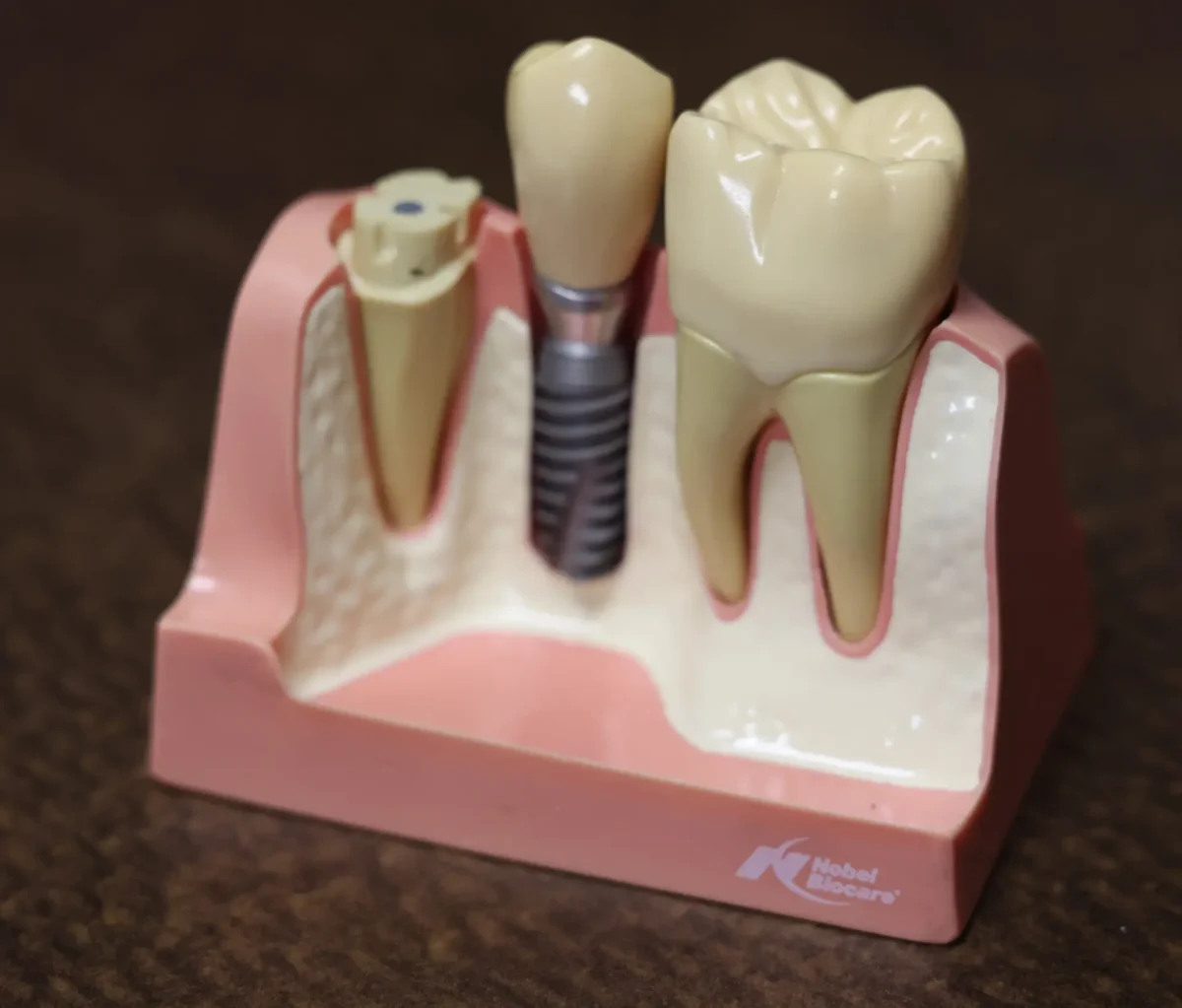
Titanium implants have been the standard in dentistry since the 1960s. Made from medical-grade titanium, they’re known for their strength, durability, and ability to fuse securely with the jawbone. This process, known as osseointegration, provides the implant with a stable foundation for crowns, bridges, or dentures.

Because of their reliability, titanium implants are the most widely used option worldwide. They’ve been studied for decades and show long-term success rates above 95%. For patients, this means a replacement tooth that feels natural, restores chewing ability, and can last for many years with proper care and maintenance.

Pros

  • Decades of research, proving long-term success
  • Strong enough to handle heavy chewing forces, including molars
  • More affordable compared to ceramic
  • Flexible in design, available in two-piece systems for easier placement

Cons

  • Gray color may show through thin or receding gums
  • Rare chance of sensitivity or concern for patients avoiding metals
  • Some patients prefer a metal-free alternative for personal or holistic reasons

What Are Ceramic Implants?

Ceramic implants are made from zirconia, a strong, tooth-colored material. They were introduced as a metal-free alternative for patients who prefer holistic dentistry or have sensitivities to metals.

Unlike titanium, ceramic implants blend with the natural color of teeth and gums, making them especially appealing for front-tooth replacements where aesthetics matter most. They’re also highly biocompatible, reducing the risk of irritation for patients with metal concerns.

Pros

  • Tooth-colored, making them ideal for highly visible areas of the mouth
  • Metal-free, suitable for patients with allergies or sensitivities
  • One-piece design reduces the risk of bacterial buildup around connections
  • Biocompatible and designed to integrate well with bone and tissue

Cons

  • Higher upfront cost compared to titanium
  • One-piece design may limit flexibility in certain treatment cases

Key Differences Between Ceramic and Titanium Implants

Both materials are used to replace missing teeth, but they aren’t identical in how they look, perform, or last. Here’s how they compare:

FeatureTitanium ImplantsCeramic Implants
MaterialMedical-grade titaniumZirconia (ceramic, metal-free)
AppearanceGray in color, may show through thin gumsWhite, blends naturally with teeth and gums
BiocompatibilitySafe and widely used, rare cases of sensitivityHighly biocompatible, good for patients with metal concerns
StrengthExtremely strong, proven for decadesStrong and durable
DurabilitySuccess rates over 95%, decades of researchSuccess rates over 94% for a 5-year study
CostAffordableAffordable

Best Candidates for Each Implant Type

Titanium implants are often the best choice for patients who need maximum strength and durability. They hold up well under heavy chewing pressure, making them ideal for replacing molars or multiple teeth at once. Many patients also choose titanium because it’s more affordable and backed by decades of clinical research, giving it one of the highest success rates in dentistry.

Ceramic implants, on the other hand, are better suited for patients who place a higher value on aesthetics or want a metal-free option. Their natural white color blends seamlessly with surrounding teeth and gums, which is especially important for front-tooth replacements. Ceramic is also a good choice for patients with sensitivities to metals or those seeking a holistic approach to care.

At The Comprehensive Dental Group of Houston, we take into account gum health, bone structure, appearance goals, and personal preferences before recommending which type of implant will deliver the best results.

Discover Which Implant Material Fits Your Smile

Both titanium and ceramic implants can restore missing teeth, but the right choice depends on your health, lifestyle, and personal goals. Titanium offers proven strength and long-term success, while ceramic provides a natural, metal-free alternative that blends beautifully with your smile.

Schedule your consultation now and take the first step toward your new smile.

Frequently Asked Questions

What are the disadvantages of ceramic implants?

Ceramic implants cost more than titanium and don’t have as many decades of research behind them. They’re also usually made in a one-piece design, which can limit flexibility during placement. In some cases, they may not be as durable under strong chewing forces as titanium.

Are ceramic or titanium implants better?

Both work well, but the “better” choice depends on the patient. Titanium has the longest track record, excellent strength, and high success rates. Ceramic is metal-free, blends naturally with teeth and gums, and is a good choice for patients with aesthetic concerns or metal sensitivities.

What is the best material for dental implants?

Titanium is still considered the gold standard because of its strength and proven success. However, ceramic implants are gaining popularity among patients seeking a natural-looking, metal-free alternative. The best material depends on your health, lifestyle, and smile goals.

Which is more expensive, ceramic or titanium?

Ceramic implants are generally more expensive than titanium. The higher cost comes from the material itself and the fact that ceramic implants are newer to the market. Titanium implants remain the more affordable option, but both are long-term investments in your smile.
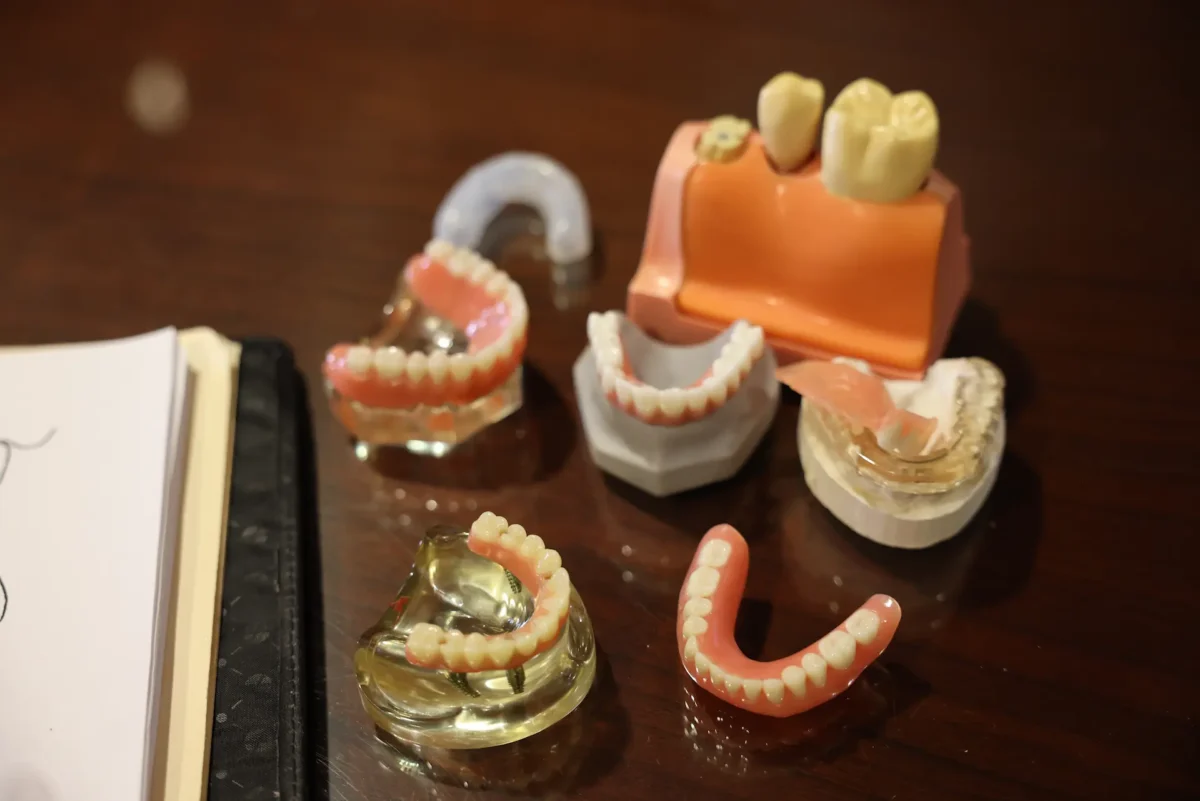
Dental Implants vs Mini Implants: Pros, Cons, and Best Uses

Nearly 120 million Americans are missing at least one tooth, according to the American College of Prosthodontists. Dental implants have become one of the most trusted solutions for replacing those teeth, but not every patient needs or qualifies for the same type. In many cases, the choice comes down to traditional dental implants or mini implants.

Everyone deserves a smile they’re proud of, and the right tooth replacement can make that possible. Let’s walk you through how dental implants and mini implants compare so you can see which may be the best fit for your needs.

What Are Dental Implants?

Dental implants are full-sized replacements for missing tooth roots. They’re placed into the jawbone and topped with a crown, bridge, or denture to restore both appearance and function.

The process usually involves placing the implant post, allowing it to bond with the bone, then attaching an abutment and the final restoration. With advances in technology, many patients at The Comprehensive Dental Group of Houston can now receive their implant post and abutment on the same day, making treatment faster than ever.

Implants are known for their strength, natural look, and ability to protect jawbone health. With proper care, they can last you long term.

Pros

  • Designed to last long-term, reducing the need for replacement.
  • It offers the strongest bite force, making it easy to chew tougher foods like steak or nuts.
  • Blend seamlessly with natural teeth, both in look and feel.
  • Support the jawbone and prevent the sunken facial appearance that comes with bone loss.

Cons

  • The procedure is more complex and may require bone grafting if the bone density is low.
  • An all-inclusive single dental implant costs $3995 – 6560, while multiple dental implants cost $1850 – 2420 per implant, depending on your unique needs.
  • Healing time differs from patient to patient depending on your unique dental needs.

What Are Mini Dental Implants?

Mini dental implants work much like traditional implants, but are smaller in diameter. Because of their size, they require a less invasive procedure and often don’t need as much bone support.

They’re commonly used to stabilize dentures, replace smaller teeth, or help patients who may not qualify for full implants due to bone loss. Placement is usually quicker, healing times are shorter, and patients can often return to normal activities faster.

Pros

  • Placement is quick, often completed in one visit.
  • Require smaller incisions, which means less post-treatment soreness.
  • An affordable way to stabilize loose dentures without a full implant procedure.
  • Useful for patients with limited bone.

Cons

  • A thinner design means they can loosen or break under heavy chewing pressure if done by an inexperienced dentist.
  • Generally not recommended for replacing molars or supporting full arches long-term.

Key Differences Between Dental Implants and Mini Implants

Both options replace missing teeth, but they’re not the same in structure, procedure, or longevity. Here’s how they compare side by side:

FeatureDental ImplantsMini Implants
SizeStandard width (about 3.5–6 mm)Smaller diameter (about 1.8–3 mm)
PlacementRequires more bone support and a surgical procedureLess invasive, often placed in one visit
HealingSeveral months in some cases, though same-day options existShorter healing time, quicker recovery
DurabilityStrong, long-lasting, often decadesMay not last as long, especially under heavy bite force
CostHigher initial cost but longer-term valueLower upfront cost, may need replacement sooner
Best forSingle teeth, bridges, or full-arch replacementStabilizing dentures, replacing smaller teeth, and limited bone support

The right option depends on your individual needs and oral health. That’s why an in-person consultation is the best way to decide.

Why Choose The Comprehensive Dental Group of Houston

Choosing between dental implants and mini implants isn’t always straightforward, but you don’t have to decide alone. At The Comprehensive Dental Group of Houston, our team takes the time to evaluate your oral health, listen to your goals, and recommend the treatment that truly fits your lifestyle.

With advanced imaging, same-day implant options, and a wide range of restorative solutions, we make the process clear and comfortable from start to finish. Many of our patients leave not just with a restored smile, but with renewed confidence in their daily lives.

Whether you need a single implant, multiple implants, or a faster solution with mini implants, we’ll create a personalized plan that gives you lasting results.

Find Out Which Implant Option Fits You Best

Both dental implants and mini implants can restore your smile, but the right choice depends on your health, budget, and long-term goals. Standard implants provide unmatched strength and durability, while mini implants offer a faster, less invasive option for certain cases.

If you’re ready to explore your options, schedule a consultation now and take the first step toward your new smile.

Frequently Asked Questions

Are mini dental implants as good as regular implants?

Mini implants work well in specific situations, such as stabilizing dentures or replacing smaller teeth. However, they aren’t always as durable or versatile as regular implants. Standard implants provide stronger support and are usually recommended for long-term tooth replacement.

Which type of tooth implant is best?

The best type depends on your oral health, bone density, and goals. Regular dental implants are often the top choice for strength and longevity. Mini implants may be better if you want a less invasive procedure, have limited bone, or need to secure dentures.

What are the disadvantages of mini implants?

Mini implants may not last as long as traditional implants and aren’t ideal for areas with heavy chewing, like the back molars. Their smaller size also means they can loosen or break more easily under pressure.

How much do mini dental implants cost compared to regular implants?

Mini implants generally cost less upfront because the procedure is simpler. However, they may need to be replaced sooner than standard implants. Dental implants cost more initially but often provide better value over time due to their durability.

Permanent Dentures vs Implants: Your Tooth Replacement Options

According to the CDC, about 26% of adults aged 65 and older in the U.S. have eight or fewer teeth left. Tooth loss is common, but the decision on how to replace those teeth isn’t always simple. Many people weigh two popular solutions: permanent dentures and dental implants.

Each option has its advantages, from affordability to long-term stability. Let’s walk you through how they compare so you can better understand which one might fit your health, comfort, and lifestyle. At The Comprehensive Dental Group of Houston, we see patients every day making this choice, and we’re here to guide you with clarity.

What Are Permanent Dentures?

We’ve noticed that some patients are confused by the terms “permanent dentures” and “dental implants.” Permanent dentures usually refer to a full set of replacement teeth, but they can be supported in different ways. Some sit directly on the gums (like traditional dentures), while others are stabilized with dental implants.

Here are different types of dentures:

Partial Dentures

Partial dentures are used when some natural teeth remain. They fill in the gaps with replacement teeth attached to a base that blends with your gums. Metal clasps or precision attachments connect them to your existing teeth for support.

Removable Dentures

These are the traditional dentures most people think of. They can be removed daily for cleaning and for rest on the gums, with or without adhesive. Removable dentures are a quick solution but often lack the stability of implant-supported options.

Implant-Supported Dentures

Implant-supported dentures attach to dental implants placed in the jawbone. They provide more stability, prevent slipping, and help preserve bone structure. These can be designed as fixed dentures that stay in place or snap-in removable dentures.

What Are Dental Implants?

Dental implants are replacement roots placed directly into the jawbone to support crowns, bridges, or full-arch dentures. They create a solid base that allows new teeth to look, feel, and function naturally.

Patients today don’t always have to wait months for their new smile. With advanced techniques, the implant post and abutment can often be placed on the same day. This means you can walk out with a complete, permanent smile in just one visit.

Here are the most common types of dental implants:

Single Tooth Implants

Used when only one tooth is missing. A single implant is placed in the jaw, and a crown is attached to restore appearance and function.

Multiple Dental Implants

Multiple dental implants are used when several teeth are missing in different areas of the mouth. Each gap is restored with its own implant and crown, giving strong, natural-looking replacements without affecting healthy neighboring teeth.

Implant-Supported Bridges

Best for replacing several missing teeth in a row. Instead of placing an implant for each tooth, a few implants support a custom bridge.

Full-Arch Implants

Also known as All-on-4 or All-on-6, these procedures utilize four to six implants to secure an entire arch of teeth in place. They’re a stable, long-term alternative to traditional dentures.

Mini Dental Implants

Thinner than standard implants, mini implants are sometimes used when the jawbone lacks sufficient density for regular implants. They can also be a cost-effective solution for stabilizing dentures.

Key Differences Between Permanent Dentures and Dental Implants

Both options restore missing teeth, but they’re not the same in how they look, feel, or last. Here’s a side-by-side breakdown:

FeaturePermanent denturesDental implants
LongevityLast 5–10 years on average before needing replacement or reliningCan last up to a lifetime with proper care
ComfortMay feel bulky or shift slightly while eating or speakingFeel natural and remain stable, like real teeth
Jawbone HealthDo not stop bone loss in the jawPreserve bone density by stimulating the jaw
AppearanceImprove smile, but it may look less natural over timeBlend seamlessly with natural teeth
MaintenanceRequire special cleaning, occasional realigning, or replacementCleaned like natural teeth
CostLower upfront cost, but may add up with replacementsHigher initial cost but long-term investment

Both choices have value. The right one depends on your oral health, budget, and lifestyle.

Which Option Is Right for You?

Choosing between permanent dentures and dental implants depends on several factors.

  • Oral health: Healthy gums and strong bone density usually make implants the stronger choice. If bone loss is advanced, dentures or bone grafting may be recommended.
  • Budget: Permanent dentures cost less upfront. Implants involve a bigger investment but often save money long term since they don’t need frequent replacement.
  • Lifestyle: If you want the closest match to natural teeth in function and feel, implants are hard to beat. If you prefer a quicker, non-surgical solution, dentures may be the way to go.

The best way to decide is through a consultation. A dental specialist can evaluate your mouth, review your options, and recommend the treatment that matches your health, comfort, and goals.

Let’s Help You Find the Smile Solution That Fits You

Both permanent dentures and dental implants can restore your smile, but the experience of living with them is very different. Dentures can be a quicker, lower-cost option, while implants offer long-term strength, stability, and bone support.

The best choice depends on your health, lifestyle, and budget. At The Comprehensive Dental Group of Houston, we’re here to guide you through the decision and recommend the treatment that works best for you. Contact us now for a confident, lasting smile.

Frequently Asked Questions

How long do permanent dentures last?

Permanent dentures typically last 5 to 10 years before needing adjustments or replacement. The base material can wear down over time, and changes in the jawbone may affect the fit. Regular checkups help extend their lifespan.

Are dental implants painful?

Most patients report only mild discomfort during recovery. The procedure is done with local anesthesia or sedation, so you won’t feel pain while it’s happening. Any soreness afterwards is usually manageable with over-the-counter medication.

Can permanent dentures be removed?

Fixed hybrid dentures are secured to implants and can only be removed by a dentist. Snap-in dentures, on the other hand, can be taken out at home for daily cleaning. Your dentist will recommend the best option for your needs.

Which option is more affordable in the long run?

Dentures initially cost less, but they often require relining or replacement. Implants require a higher initial investment but can last decades, making them more cost-effective over time.

How do I know if I qualify for dental implants?

A dental specialist will examine your gums, bone health, and overall medical history. Most patients are candidates, but if bone loss has occurred, grafting may be needed before implants are placed. A consultation is the best way to find out.

How Long Do Dental Implants Last?

Dental implants are one of the most durable options for tooth replacement available today. With proper care, the implant post can last a lifetime, while the crown or bridge on top often lasts 10 to 15 years or more before it may need replacement.

Studies show that dental implants have a success rate of over 95% after 10 years, and many remain strong and functional decades after placement. Their long lifespan, combined with their natural look and feel, makes them a smart investment in both your oral health and your confidence.

Let’s discuss how dental implants last, the factors that can affect their lifespan, and how you can keep yours healthy for years to come.

How Long Do Dental Implants Last on Average?

The implant post, which is placed in the jawbone, is designed to last for decades. With good oral hygiene and regular dental visits, it can often last a lifetime. The visible part of the implant, such as a crown or bridge, typically lasts 10 to 15 years before it may need replacement due to normal wear and tear.

Mini dental implants may not last as long as standard implants due to their smaller size, but they can still provide many years of function when properly cared for. Full mouth dental implants, which replace an entire upper or lower set of teeth, are built for durability and often remain in place for decades with the right care.


Studies show that dental implants have a 95–99% success rate over 10 years, and many last far beyond that. The duration of yours will largely depend on your oral health, daily habits, and commitment to maintenance.

What Affects the Lifespan of Dental Implants?

The lifespan of a dental implant is more about how well the implant is cared for afterward and the conditions in your mouth over time. Here are the key factors that can influence how long your implant stays strong and healthy:

Your daily oral hygiene routine

Brushing twice a day and flossing daily with a Waterpik are essential. Clean around the implant carefully to remove plaque and food particles, especially where the crown meets the gumline. Using an interdental brush or water flosser can help keep hard-to-reach areas clean and maintain good oral hygiene.

The health of your gums and jawbone

Dental implants rely on healthy gum tissue and strong bone for support. Gum disease can cause the bone to shrink, which may loosen the implant over time. Regular dental checkups enable your dental specialist to detect and treat early signs of gum problems before they impact your implant.

Lifestyle choices

Smoking reduces blood flow to the gums, slowing healing and increasing the risk of implant failure. A diet high in sugar can lead to gum inflammation, while acidic foods and drinks can weaken enamel on surrounding teeth, creating more cleaning challenges.

Biting and chewing habits

Grinding or clenching your teeth at night puts extra stress on implants. If you grind, your dentist can make a night guard to protect both your implant and your natural teeth. Avoid chewing on ice, hard candy, or pens, as these can cause the crown to crack.

Quality of materials and placement

Implants placed with advanced imaging and precision tools have a higher chance of long-term success. High-quality titanium or zirconia posts, paired with strong and well-fitted crowns, offer better durability over time.

When you focus on these areas, you can give your implant the best chance of lasting for decades, possibly even a lifetime. Think of it as a partnership between you and your dental team: we handle the placement and ongoing care, and you handle the daily maintenance at home.

How to Make Dental Implants Last Longer

A dental implant is an investment in your health, confidence, and quality of life. Protecting that investment starts with simple, consistent care. Here are steps that can help your implant last for decades:

  • Use a soft-bristled toothbrush to clean the crown and gumline twice a day.
  • Floss daily with a Waterpik to remove plaque between teeth and around the implant.
  • Schedule regular dental checkups.
  • If you grind or clench while you sleep, wearing a night guard will reduce pressure on the implant and prevent damage to the crown.
  • While implants are strong, it’s still best to avoid biting directly into very hard foods like ice or unpopped popcorn kernels.
  • Choose a balanced diet that supports gum and bone health.

How Do I Know If My Dental Implant Is Failing?

Dental implant problems are uncommon, but knowing the warning signs can help you act quickly if something is not right. Early attention can prevent a small issue from becoming a serious one.

Look out for these symptoms:

  • Pain or discomfort that lingers. Now, mild soreness is normal after placement, but ongoing or worsening pain months or years later may signal a problem.
  • Swelling or redness around the implant. This may be a sign of infection or gum inflammation.
  • Gum recession near the implant. When the gum pulls away from the crown, it may expose part of the implant post.
  • Looseness or movement. A healthy implant should feel as solid as your natural teeth. Any movement needs immediate evaluation.
  • Changes in how your bite feels. If your teeth no longer come together comfortably, it could mean the implant or crown has shifted.

How Is a Failed Dental Implant Treated?

When a dental implant fails, the treatment plan will depend on the reason for the failure and how early the issue is detected. Addressing problems quickly offers the best chance of saving the implant or replacing it successfully.

If the gums around the implant are infected, we may recommend a deep professional cleaning, combined with antibiotics, to remove bacteria and prevent the infection from spreading. In cases where the crown, bridge, or denture is putting too much pressure on the implant, adjusting the restoration can relieve stress and improve stability.

Sometimes, bone loss around the implant is the cause of the problem. In this situation, a bone graft can rebuild the area and create a strong foundation for future implant placement. If the implant post itself is loose or damaged, it may need to be removed and replaced once the area has healed.

Why Choose The Comprehensive Dental Group of Houston for Long-Lasting Dental Implants

Choosing the right dental team can make a difference in how long your implants last. We combine advanced technology, high-quality materials, and years of experience to give each patient the best possible outcome.

Our specialists use 3D imaging and guided implant placement for precision and predictability. This helps ensure your implant is positioned for long-term stability and comfort. We also select materials that have been proven to be durable and biocompatible, ensuring they integrate well with your bone and gum tissue.

Your care does not end once the implant is placed. We provide detailed aftercare instructions and schedule follow-up visits to monitor your healing and the health of your gums and bone. Our team is always available to answer questions or address concerns so you can feel confident about your investment in your smile.

Schedule a Visit to Enjoy a Smile That Lasts for Years

Dental implants are designed for long-term success, often lasting decades with the right care. By choosing a skilled dental team, following a consistent cleaning routine, and staying on top of regular checkups, you can protect your investment and keep your smile strong for many years.

At The Comprehensive Dental Group of Houston, we are dedicated to helping every patient maximize the benefits of their dental implants. From precise placement to personalized aftercare, our goal is to make sure your implants remain healthy, functional, and natural-looking for as long as possible.

Contact us now to learn more about how we can help you achieve a confident, lasting smile.

Frequently Asked Questions

What happens to dental implants after 20 years?

With proper care, many dental implants can remain strong and functional for up to 20 years. The implant post can often last a lifetime, though the crown may need to be replaced if it shows signs of wear.

How often does a dental implant need to be replaced?

The implant post rarely needs replacement if it stays healthy. The crown or bridge typically lasts 10–15 years before it may need to be replaced due to normal wear and tear.

Will dental implants last a lifetime?

Yes, the implant post can last a lifetime when it is placed correctly and properly cared for. The crown may need to be replaced over time, but the post itself is highly durable.

Can dental implants get cavities?

The implant post and crown cannot get cavities, but the gums and surrounding natural teeth still need protection from gum disease. Good oral hygiene is essential to keep the implant and surrounding tissues healthy.

Is a bridge or an implant better?

An implant is often the preferred choice because it replaces the tooth root, preserves bone health, and does not rely on surrounding teeth for support. However, the best option depends on your oral health, budget, and treatment goals.

Is Dental Implant Painful? What to Expect Before, During, and After Surgery

Dental implants have a success rate of more than 95%, making them one of the most reliable treatments for replacing missing teeth. They restore your smile, protect your jawbone, and give you back the ability to eat and speak with confidence.

Many people hesitate to get them because they are worried about pain. In reality, modern dental implant techniques are designed to keep you comfortable from start to finish. With the right anesthesia, sedation, and gentle care, most patients report that the procedure feels easier than they expected.

Let’s discuss what dental implants are, what to expect during and after surgery, and how The Comprehensive Dental Group of Houston makes the process as smooth and stress-free as possible.

What Are Dental Implants?

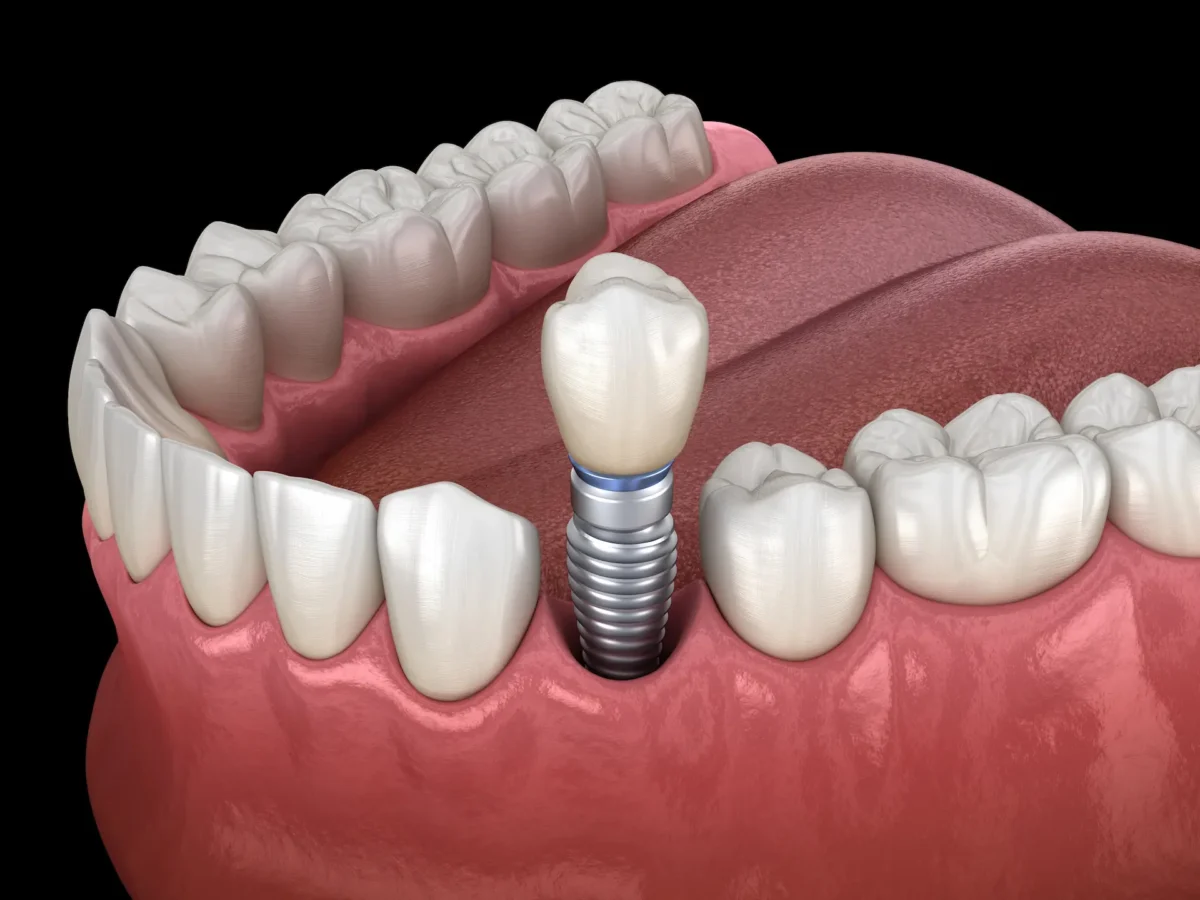
A dental implant is a permanent solution for replacing a missing tooth. It works by placing a small post, usually made of titanium or zirconia, into the jawbone where the tooth root used to be. Over time, the bone fuses with the post, creating a strong and stable base for a new tooth.

An implant has three main parts:

  • The implant post: placed in the jawbone to act as the tooth root
  • The abutment: connects the post to the new tooth.
  • The crown: the visible part that looks and functions like a natural tooth

Dental implants can replace a single tooth, several teeth, or even a full set of teeth with denture implants or full arch restorations. They are designed to look, feel, and function like natural teeth while helping to protect your oral health.

Is Dental Implant Painful?

No, getting a dental implant is not painful. The area is fully numbed with local anesthesia before the procedure begins, so you stay comfortable the entire time. If you feel anxious or want extra relaxation, sedation options are available to make the experience even easier.

During the procedure, you may feel gentle pressure or movement, but not pain. Once the anesthesia wears off, some mild soreness is normal as your mouth heals. This is usually managed with over-the-counter pain medicine, soft foods, and simple home care.

Pain During the Tooth Implant Procedure

The idea of having a dental implant can feel intimidating, but the procedure itself is designed to be comfortable and painless. Before we begin, the area is completely numbed with local anesthesia, so you will not feel pain during the surgery. For patients who feel nervous or want extra comfort, sedation options such as oral or IV sedation are available.

At The Comprehensive Dental Group of Houston, every step is carefully planned using advanced imaging. This allows us to place the implant with precision and minimize any impact on surrounding tissues. You may feel gentle pressure as we work, but most patients say they do not feel pain during the process.

Pain After the Dental Implant Procedure

It is normal to have some discomfort once the anesthesia wears off. Most patients describe it as mild soreness rather than sharp pain. This usually peaks in the first one to three days and improves steadily after that.

You might notice slight swelling, bruising, or tenderness around the implant site. These are common signs that your body is healing. Simple steps, such as using an ice pack, eating soft foods, and taking over-the-counter pain relief, can make recovery easier.

In most cases, the discomfort fades within a week. If additional procedures such as bone grafting or multiple implants are done, healing may take a little longer. Our team stays in touch after surgery to check on your progress and answer any questions, so you never have to go through recovery alone.

Factors That Affect Pain Levels

Every patient’s experience with dental implant recovery is unique. Some people feel almost no discomfort, while others may notice mild soreness for a little longer. Several factors can influence how you feel after the procedure:

  • Number of implants placed – One implant usually means a shorter recovery, while multiple implants can require more healing time.
  • Additional procedures – Bone grafting or tooth extractions performed at the same time may cause extra tenderness as those areas heal.
  • Overall health – Healthy gums, good bone density, and a strong immune system can support a smoother recovery. This is why we recommend visiting your dental specialist every six months for an oral evaluation.
  • Type of restoration – The design of your restoration, whether it is a single crown, a bridge, or a full arch, can influence the steps involved in your treatment and the amount of work completed in one visit.
  • Healing habits – Following your aftercare instructions closely can help minimize discomfort and speed up healing.

Let Us Help You Restore Your Smile with Comfort and Confidence

Getting a dental implant does not have to be a stressful or uncomfortable experience. With the right approach, advanced technology, and a caring team, the process can be smooth from start to finish. At The Comprehensive Dental Group of Houston, we focus on keeping you comfortable, informed, and supported every step of the way.

If you have been putting off treatment because you are worried about pain, it may help to know that most patients are pleasantly surprised by how easy the experience feels. We are here to answer your questions, explain your options, and develop a plan tailored to your needs.

Schedule a consultation now and take the first step toward restoring your smile and confidence.

Frequently Asked Questions

How painful is getting a dental implant?

Getting a dental implant is not painful because the area is fully numbed with local anesthesia. Sedation can also be used to help you feel calm and relaxed. Most patients experience only slight pressure during the procedure, rather than sharp pain.

How long does the pain last after dental implants?

Mild discomfort after a dental implant usually lasts one to three days and improves each day. Swelling or tenderness can persist for up to a week, especially if multiple implants or bone grafting procedures were performed. Following aftercare instructions helps speed up the recovery process.

What are the negative effects of dental implants?

Short-term effects include mild swelling, bruising, or tenderness around the implant site. Rare complications, such as infection, nerve injury, or implant failure, can occur but are uncommon when an experienced specialist and proper aftercare are followed.

What hurts more, tooth extraction or implant?

Many patients say a dental implant is less painful to recover from than a tooth extraction. This is because implant surgery is planned carefully, and the surrounding tissues are handled gently to reduce trauma.

Is a dental implant worth it?

Yes. Dental implants are one of the most reliable options for tooth replacement, with a success rate of over 95%. They restore chewing ability, improve speech, protect jawbone health, and resemble the appearance and feel of natural teeth. With proper care, they can last decades or even a lifetime.

Can you eat after dental implants?

Yes. You can eat soft foods like yogurt, mashed potatoes, and scrambled eggs within the first 24 hours. Avoid hard, crunchy, or sticky foods until your dentist confirms it’s safe, usually after the initial healing period.

How Much Is a Dental Implant?

Dental implants are a smart investment in your health, comfort, and confidence. They’re made to last, and they do more than restore your smile. They protect your jawbone, improve how you eat and speak, and help you feel like yourself again.

The cost of a dental implant depends on your unique needs. In many cases, a single implant can cost between $1,850 and $2,420. If you’re looking to replace several teeth or restore your entire smile, we’ll walk you through every step with clear pricing, flexible options, and a plan tailored to your goals.

At The Comprehensive Dental Group of Houston, we believe everyone deserves access to lasting care. That’s why we’re here to explain what’s included in the cost, what can affect it, and how we make implants more affordable through financing and insurance support.

What’s Included in the Cost of a Dental Implant?

When you hear the price of a dental implant, it’s helpful to know what that number actually covers.

Here’s what’s typically included:

The implant post: This is the small screw, usually made of titanium or zirconia, that replaces your tooth root and holds everything in place.

The abutment: This part connects the implant to your new crown. It sits just above the gumline and supports the visible part of your tooth.

The crown: This is the custom-made tooth that sits on top. It’s designed to match your natural teeth in shape and color.

Other costs may come up depending on your needs. For example:

  • Tooth extraction, if the damaged tooth is still in place
  • Bone grafting or a sinus lift, if your jaw needs extra support
  • Sedation to help you feel more relaxed during treatment
  • Digital scans or 3D imaging used for precise planning

We will explain each step clearly before we begin, so you know exactly what to expect. You’ll receive a comprehensive breakdown of your treatment plan, including the total cost, during your consultation.

How Much Do Full Dental Implants Cost?

If you’re replacing an entire row of teeth, the cost will naturally be higher than a single implant. Full dental implants are often used when a patient has lost most or all teeth in the upper or lower jaw. These treatments are sometimes referred to as All-on-X (depending on the number of implants required) or full-arch implants.

Depending on the type of material used and the complexity of your case, a full set of dental implants can range from $14,000 to $23,000 per arch, with additional costs for premium options.

For example, a full set made with zirconia or other high-end materials may fall at the higher end of that range.

That cost typically includes:

  • All necessary implant posts
  • A custom full arch of teeth
  • Surgical placement
  • Follow-up visits and care

Some patients require restoration of both upper and lower arches, while others only need one. During your consultation, we’ll help you understand which type of full-mouth treatment is best for you and provide a clear estimate tailored to your needs.

What Affects the Cost of Dental Implants?

The cost of dental implants can vary from person to person. That’s because each smile is different, and treatment plans are tailored to your specific needs. Here are some of the main factors that can affect the final price:

Number of Implants Needed

Replacing one tooth will cost less than restoring several or a full set. In some cases, multiple implants are required to support bridges or dentures.

Type of Restoration

You may need a crown, a bridge, or a full arch of teeth. Each option has a different cost based on materials, design, and how it’s made.

Bone Health and Preparation

If your jawbone has shrunk or weakened, we may recommend a bone graft or sinus lift to strengthen it before placing the implant. These steps add to the total cost but help ensure the long-term success of your treatment.

Experience of Your Dental Team

Working with a highly trained team often means better results, more comfort, and fewer complications. At CDGH, your care is handled by experienced professionals using the latest technology. Plus, every treatment plan is built around you. We take the time to explain what’s needed and why, so you always understand where your investment is going.

Does Insurance Cover Dental Implants?

Dental insurance doesn’t always cover implants fully. In some cases, your plan may cover parts of the procedure, such as the crown, imaging, or tooth extraction. At other times, coverage depends on whether the tooth loss was caused by an accident or a medical condition.

Some medical insurance plans may also contribute if the implant is tied to a larger health issue, like jaw damage or reconstruction following an injury. Every plan is unique, so we’ll help you review your benefits and determine what’s covered.

Are Dental Implants Worth the Cost?

Yes, they are. Dental implants offer long-term value that many other options cannot match. Unlike other tooth restoration methods, implants are designed to last for the long term.

Here’s why many patients see them as worth every dollar:

  • They stay in place. No slipping or shifting while you eat or speak.
  • They protect your jawbone and maintain the integrity of your face shape. Implants help prevent the jawbone from shrinking after tooth loss.
  • They look and feel natural. Your smile will blend seamlessly with your other teeth.
  • They’re low-maintenance. Just brush, use a Waterpik for flossing, and maintain regular dental visits.

Let’s Build a Plan That Works for You

If you’ve been thinking about dental implants but aren’t sure how much they’ll cost or where to start, we’re here to help. At The Comprehensive Dental Group of Houston, you’ll receive honest answers, clear pricing, and a care plan tailored to your needs.

Every smile is different, and so is every budget. Whether you’re replacing a single tooth or seeking a comprehensive solution for your entire mouth, we’ll guide you through your options and help you move forward with confidence.

Schedule your consultation now to get started.

Frequently Asked Questions

Is a single-tooth implant worth it?

Yes, a single implant can be a great long-term solution if you’re missing one tooth. It protects your jawbone, doesn’t rely on neighboring teeth for support, and looks and feels just like a natural tooth. Many patients find it’s a lasting investment in both their health and confidence.

How much should a dental implant be?

The cost of a complete dental implant, including post, abutment, and crown, typically ranges from $1,850 to $2,420 per tooth. The total cost can vary depending on your location, bone health, and whether additional procedures, such as bone grafting, are required.

Are tooth implants painful?

Most patients say getting a dental implant is more comfortable than they expected. We use local anesthesia or sedation to keep you relaxed during the procedure. Afterward, you may experience mild swelling or soreness, but this usually subsides within a few days.

How long do dental implants last?

Dental implants are designed to last a long time. With good care, many last 20 years or more, and in many cases, they last a lifetime. Regular checkups, daily brushing and flossing with a Waterpik, plus avoiding smoking, can help extend the life of your implant.

What are the side effects of tooth implants?

Minor side effects after surgery may include swelling, bruising, or mild discomfort. These are normal and typically resolve within a few days.

What Is a Dental Implant?

Dental implants offer a reliable solution for tooth loss. They’re designed to replace missing teeth in a way that feels natural and lasts long-term. More than 3 million people in the U.S. already have dental implants, and the number continues to rise as more people opt for them over other options.

Dental health plays a big role in our overall well-being. A strong, healthy smile helps us speak clearly, chew properly, and avoid infections that can affect the rest of the body. When teeth are missing or severely damaged, it can lead to pain, poor digestion, and a loss of confidence.

Let’s discuss everything you need to know about dental implants, how they work, what the process involves, and why they’re trusted by patients and dentists alike.

What Are Dental Implants Made Of?

Titanium is one of the most commonly used materials for the dental implant post itself. This strong, lightweight metal is safe for the body and has been used in medicine for decades because of its durability and low risk of adverse reactions. It also fuses exceptionally well with bone, making it an ideal choice for supporting a replacement tooth.

For those who prefer a metal-free option, ceramic or zirconia implants are excellent alternatives. These materials are popular because of their natural, tooth-like color, which makes them aesthetically pleasing. They are also a great choice for individuals with metal sensitivities, as they rarely cause adverse reactions.

Every part of the implant is designed with long-term function and safety in mind:

  • The implant post sits inside the jawbone and replaces the root.
  • The abutment connects the post to the visible crown.
  • The crown is custom-made to match your natural teeth in color, shape, and size.

Types of Dental Implants

Depending on how many teeth are missing and the condition of your jawbone, your dental implant specialist may recommend one of several options.

Single Tooth Implants

A single tooth implant is ideal when only one tooth is missing. A small implant is placed directly into the bone, and a crown is attached once healing is complete. It replaces the entire tooth structure, including the root, without affecting the surrounding teeth. This makes it a popular choice for long-term strength and aesthetics. There is also the multiple-tooth implant for those missing more than one tooth.

Implant-Supported Bridges

When multiple teeth are missing in a row, an implant-supported bridge may be recommended as an effective solution. Instead of using a separate implant for each missing tooth, two or more implants are placed strategically to support a custom bridge. This approach avoids putting pressure on nearby natural teeth and helps maintain the structure of your jawbone.

Denture Implants (Snap-On or Overdentures)

Traditional dentures rest on the gums and can shift during eating or speaking. Denture implants solve this problem by anchoring the denture to the jaw using a few strategically placed implants. The denture securely “snaps” into place but can still be removed for cleaning. It offers a major improvement in stability, comfort, and chewing strength.

Full Arch Implants (All-on-4, All-on-X)

For patients who have lost most or all of their teeth in the upper or lower jaw, full-arch implants offer a fixed, non-removable alternative to dentures. Using as few as four implants, a complete set of new teeth can be attached to restore both function and appearance. This solution is often faster and more cost-effective than replacing each tooth individually, and it allows for a strong, natural-looking result.

The Dental Implant Process Step-by-Step

Getting a dental implant is a multi-step journey that takes place over several months. Each stage plays a crucial role in ensuring your implant is secure, functional, and built to last.

1. Consultation and Personalized Plan

We begin with a full evaluation. This includes digital imaging, a review of your health history, and a conversation about your goals.

2. Tooth Removal (If Needed)

If you’re replacing a tooth that’s still present, we can remove it during your visit. In many cases, the implant can be placed immediately after extraction, saving time and reducing the healing phase.

3. Implant Placement

We place the implant into your jawbone using precise surgical techniques. With same-day implants, a crown or bridge may be attached immediately, so you leave with a complete smile. If a traditional approach is needed, we’ll allow time for the implant to bond with your bone in a process called osseointegration.

4. Healing and Final Restoration

Regardless of whether you receive a same-day implant or follow a different timeline, your journey to a new smile is carefully planned. If you have a same-day restoration, we’ll monitor your healing to ensure the implants fuse properly with your bone.

In other cases, we’ll first provide a temporary restoration and then fit your final, custom-designed tooth once the area has fully healed. This ensures your final restoration is a perfect, natural-looking, and lasting addition to your smile.

5. Aftercare and Support

We stay by your side long after your procedure is complete. You’ll receive guidance on caring for your implant at home, and we’ll schedule follow-ups to make sure everything is healing properly. With regular checkups and good hygiene, your implant can last for the long term.

Who’s a Good Candidate for Dental Implants?

Even if you’ve been told in the past that you’re not eligible, don’t lose hope. We’ve helped many patients overcome those challenges and move forward with treatment.

At The Comprehensive Dental Group of Houston, we use advanced imaging and planning tools to assess your unique case. If you’ve experienced bone loss, we may recommend bone grafting or sinus lift procedures to rebuild the area. If you’ve had gum disease, we’ll work with you to restore your oral health before moving ahead.

Benefits of Dental Implants

Dental implants are a life-changing solution that protects your long-term health and boosts your quality of life. So, what makes them the go-to choice for so many patients?

Look and Feel Like Natural Teeth

Your implant is topped with a custom crown that matches the color and shape of your surrounding teeth. Once it’s in place, it blends in so well that most people can’t tell the difference.

Eat, Speak, and Smile with Confidence

Implants are anchored directly into your jaw, so they won’t slip or shift like traditional dentures. That means you can enjoy your favorite foods, speak clearly, and smile without worry.

Prevent Bone Loss

When a tooth is missing, the bone in that area starts to shrink over time. Implants stimulate the jawbone just like natural roots do, helping you maintain your facial structure and preventing future dental problems.

Long-Lasting Results

With proper care, dental implants can last for decades. You won’t need to replace them as often as bridges or dentures, which makes them a smart long-term investment.

No Impact on Healthy Teeth

Unlike other restorative dental treatments, implants don’t rely on nearby teeth for support. That means we don’t have to file down or alter your natural teeth to complete the restoration.

Easy to Maintain

You can care for your implant in the same way you care for your natural teeth: by brushing, using a water flosser, and attending regular dental visits. There are no special tools or complicated routines required.

Let Us Help You Restore Your Smile

You don’t have to live with missing teeth or uncomfortable dentures. At The Comprehensive Dental Group of Houston, we make it easy to take the next step toward a healthier, more confident smile. Whether you need to replace one tooth or several, we’ll help you find the right solution and walk with you every step of the way.

If you’re curious about dental implants or wondering if you’re a suitable candidate, we’d be happy to discuss this with you. Book a consultation with our team, get your questions answered, and discover just how simple and life-changing this process can be.

Frequently Asked Questions

What are dental implants, and how do they work?

A dental implant is a small post that’s surgically placed into your jawbone to replace a missing tooth root. A custom-made crown, bridge, or denture is then attached to it, fully restoring the look and function of your smile. Because the implant naturally fuses with your jawbone, it creates an incredibly strong, long-lasting, and stable foundation for your new tooth.

How long do dental implants last?

Dental implants can last 20 years or more, and many last a lifetime with proper care. Good oral hygiene and regular dental checkups help protect the implant and surrounding tissue.

How painful is getting a dental implant?

Most people describe the procedure as easier than they expected. We use local anesthesia or sedation to keep you comfortable. Mild swelling or soreness afterward is common but usually goes away in a few days with over-the-counter pain relief.

Is there a downside to dental implants?

Dental implants do require surgery, healing time, and good overall health. They have a success rate of over 95% and are considered one of the safest and most reliable options for tooth replacement.

Where to get dental implants in Houston?

The Comprehensive Dental Group of Houston offers full-service dental implant care, from same-day solutions to complex full-mouth restorations. Book a consultation to find out the right implants for you.