
Give Us a Call Today

Affordable Dentures in Houston: What to Expect and How to Choose

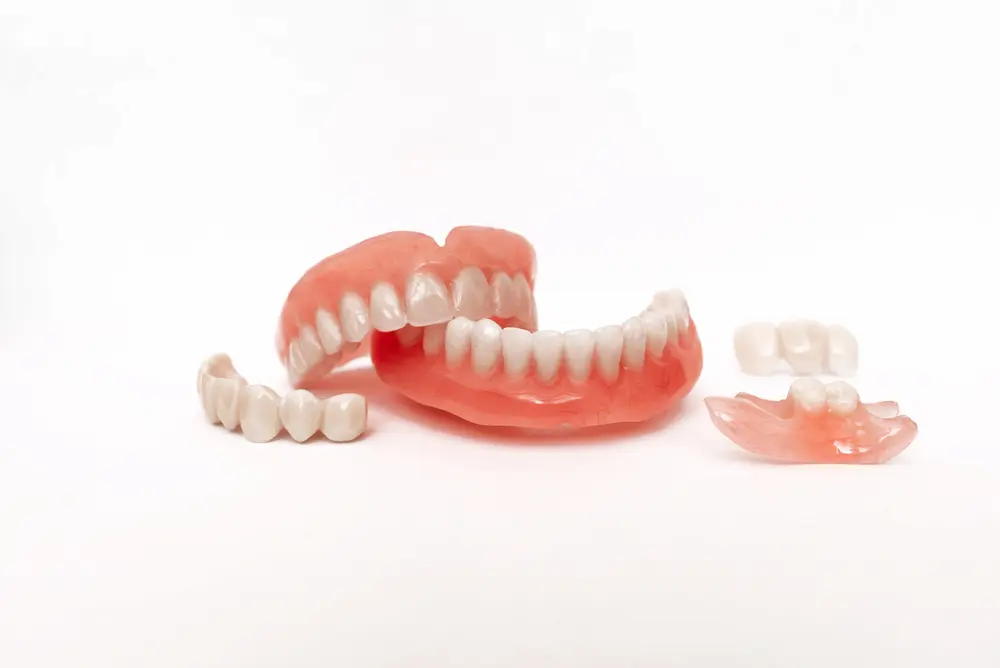
Losing teeth is not just a dental issue. It changes how you eat, how you speak, and how you feel walking into a room. For Houston patients weighing their options, the question is almost always the same: can I find quality dentures that actually fit my budget without compromising on comfort or appearance? The answer is yes, but what “affordable” actually means depends heavily on which type of denture you choose, the materials used, and whether the appliance is built to serve you for years or just to get you through the door.

According to the American College of Prosthodontists, more than 120 million Americans are missing at least one permanent tooth, and over 36 million have lost all of their natural teeth. Approximately 42.5 million Americans are expected to wear dentures by the end of 2026. These numbers reflect a widespread need, one that The Comprehensive Dental Group of Houston is equipped to address with custom dentures designed around each patient’s anatomy, clinical picture, and financial situation.

This guide walks you through every denture type available in 2026, realistic cost ranges, the honest dentures vs implants comparison, how cosmetic dental financing works, and exactly what to look for when searching for custom dentures near me in the Houston area.

Types of Dentures: Your Options in Plain Language

The right denture type depends on how many teeth you have lost, the condition of your remaining teeth and bone, your lifestyle, and your budget. Here is a straightforward breakdown of each option.

Full (Complete) Dentures

Full dentures replace every tooth in the upper arch, lower arch, or both. They rest directly on the gum tissue and are held in place through suction and, if needed, denture adhesive. Conventional full dentures are fabricated after an 8 to 12 week healing period following extractions, so impressions can be taken from stable, healed tissue. This produces a better fit than rush-fabricated options.

Cost range: $1,000 to $3,600 per arch for standard options, and $3,000 to $5,000+ per arch for premium custom-fabricated appliances. The national average for a traditional full denture is approximately $1,968 per arch, according to CareCredit pricing data.

Immediate Dentures

Immediate dentures are placed on the same day as your extractions, so you are never without teeth during healing. Because they are made from pre-surgery impressions taken before your gums have finished healing, they require more adjustment visits and typically need to be relined or replaced with a permanent appliance once healing stabilizes, usually within 6 to 12 months.

Cost range: $1,500 to $3,500 per arch, with a national average near $2,178 per arch. Patients should budget for the follow-up reline or permanent replacement that comes after healing.

Partial Dentures

Partial dentures fill gaps when some natural teeth remain. They attach to the existing teeth using clasps and are removable for cleaning. Well-fitted partials prevent remaining teeth from drifting into empty spaces, protecting your bite and long-term jaw health.

Cost by material: Interim (temporary) acrylic partials run approximately $700. Resin-base partials average $1,500 (range $1,333 to $3,283). Flexible nylon partials average around $1,700. Metal-framework partials, the most durable option, average $2,229 (range $1,728 to $4,203).

Custom Dentures

Custom dentures go beyond standard appliances. They are fabricated using digital scanning and premium materials, with careful attention to tooth shade, shape, gum color, and bite registration. The result is a restoration that looks more natural, fits more precisely, and requires fewer unplanned adjustment visits. At CDGH, our custom dentures in Houston are designed to complement your facial structure and deliver the kind of comfortable, stable fit that patients who start with basic dentures often wish they had chosen from the beginning.

Implant-Supported Dentures

Implant-supported dentures attach to two to four dental implants placed in the jawbone rather than resting on the gum surface. This provides dramatically better retention: no adhesive, no slipping while speaking or eating, and real bone stimulation that helps prevent the jawbone from shrinking. The American College of Prosthodontists suggest that significant bone loss can occur during the first year after tooth extraction when no implant support is present.

This approach is sometimes called an implant overdenture or snap-on denture. It offers a meaningful middle ground between traditional dentures and full individual implant replacement. Our implant-supported dentures page covers the full process and what to expect.

Cost range: $4,000 to $15,000 per arch for the denture portion, plus $1,600 to $2,200 per standard implant or $500 to $1,500 per mini implant. Total investment for a full implant-supported denture typically falls between $8,000 and $20,000+ per arch, depending on how many implants are placed.

Affordable Dentures: 2026 Cost Summary by Type

Denture TypeCost Range Per ArchLongevityBest For
Immediate (temporary)$1,500 to $3,5006 to 12 monthsPost-extraction bridge solution
Standard full (traditional)$1,000 to $3,6005 to 8 yearsComplete tooth loss, budget-conscious
Partial (resin base)$1,333 to $3,2835 to 7 yearsPartial tooth loss, affordable entry
Partial (metal framework)$1,728 to $4,2038 to 15 yearsDurability and stability priority
Custom full (premium)$3,000 to $5,000+7 to 10 yearsNatural aesthetics, precise custom fit
Implant-supported$8,000 to $20,000+ total15 to 25+ yearsMaximum stability, bone preservation

Longevity estimates assume proper daily care, regular professional maintenance, and timely relines as jaw structure changes over time. All dentures require periodic clinical assessment even when they feel comfortable, because subtle changes in fit can cause tissue irritation or bone loss before symptoms appear.

What “Custom Dentures Near Me” Actually Means

When patients search for “custom dentures near me”, they are looking for something specific: not a generic appliance from a catalog, but a restoration built from scratch around their individual mouth. The difference shows up in daily life as comfort, stability, and appearance.

Truly custom dentures involve digital scanning of the jaw, precise bite registration, laboratory fabrication using premium acrylic or porcelain teeth, and multiple fitting appointments where the appliance is adjusted until it seats naturally and comfortably. Tooth color, shape, and gum tone are individually selected to complement the patient’s age, skin tone, and facial proportions.

At CDGH, every denture case starts with a comprehensive evaluation that looks at what remains as much as what is missing. Gum health, residual bone volume, and the condition of surviving natural teeth all influence which denture type will perform best and last longest. If you are already wearing a denture that slips, causes sore spots, or looks noticeably artificial, a custom reline or a new custom appliance can make a meaningful difference. Our restorative dentistry services cover the full spectrum of restoration options.

Dentures vs Implants: Making the Right Choice

The dentures vs implants question comes up in almost every consultation about tooth loss. There is no universal answer. The right choice depends on how much bone remains, your general health, the number of missing teeth, your lifestyle, and your long-term goals.

When Dentures Make the Most Clinical Sense

Traditional or implant-supported dentures are often the better clinical fit when significant bone loss has already occurred, when surgery is not advisable due to health conditions, when most or all teeth in an arch are missing, or when budget is the primary constraint. A well-fitted custom denture genuinely restores chewing ability, speech clarity, and facial structure, and it is a legitimate, evidence-supported solution when matched to the right patient.

When Implants Represent the Stronger Long-Term Value

Dental implants replace the tooth root itself, providing the bone stimulation that dentures cannot replicate. Research published in Clinical Oral Implants Research found that areas supported by implants retain 90 to 95% of original bone volume over 20 years, compared to 40 to 60% in denture-wearing areas without implant support. Implant survival rates of 95.9 to 99.4% over 10-year follow-up periods are documented in published clinical literature. For patients with adequate bone and good general health, implants deliver the most durable, functional tooth replacement available.

For a complete comparison, visit our permanent dentures vs dental implants page and the benefits of dental implants resource.

The Middle Path: Implant-Supported Dentures

For patients who want implant-level stability but cannot undergo individual implant replacement for every missing tooth, implant-supported dentures offer a strong compromise. Two to four implants anchor the denture in place, eliminating slippage, improving bite force, and providing bone stimulation at the implant sites. The cost is considerably less than full individual implant replacement while delivering performance far superior to a conventional denture.

At CDGH, the full spectrum is available: All-on-4 dental implants, mini dental implants, same-day dental implants, and implant-supported dentures. Every patient receives an individual evaluation and a complete presentation of all viable options.

Dentures vs Implants: Side-by-Side

FactorTraditional DenturesDental Implants
Upfront costLower ($1,000 to $5,000+ per arch)Higher ($3,000 to $5,000+ per tooth)
Bone preservationNone; bone loss continuesYes; bone stimulation maintained
StabilityRelies on suction or adhesiveFixed in bone; no slipping
Chewing efficiencyReduced (up to 25 to 50% less)Comparable to natural teeth
Longevity5 to 10 years; requires replacement20+ years with proper care
MaintenanceDaily removal for cleaning; periodic relinesBrush and floss as natural teeth
Surgery requiredNo (for traditional dentures)Yes
Typical insurance coverage~50% up to annual plan maximumVaries; often limited
Best candidateSignificant bone loss; multiple teeth missing; budget priorityAdequate bone; long-term investment mindset

Cosmetic Dental Financing and Insurance for Dentures

Cost is the most common barrier patients face. Understanding your insurance benefits and available cosmetic dental financing before your first appointment takes most of the uncertainty out of the decision.

Dental Insurance Coverage

Most dental insurance plans with major restorative benefits cover approximately 50% of denture costs up to an annual maximum, which typically ranges from $1,000 to $2,500 per year. For a $2,000 denture, insurance may cover $1,000, leaving a $1,000 out-of-pocket balance. Coverage specifics vary significantly between plans, and many impose waiting periods before major restorative benefits activate.

Original Medicare Parts A and B do not cover routine dental care or dentures. Some Medicare Advantage plans do include dental benefits. Texas Medicaid may offer partial coverage for eligible patients. Our team can help you review your coverage at your consultation. For broader context, see our does insurance usually cover general dentistry resource.

Cosmetic Dental Financing at CDGH

The Comprehensive Dental Group of Houston offers flexible payment plans through third-party financing partners, allowing patients to spread the cost of treatment across monthly installments. Many plans carry low or no interest for qualified applicants, making the monthly payment far more manageable than a single out-of-pocket charge at treatment delivery.

As a practical example: a $3,000 custom full denture with $500 down, financed at 0% over 24 months, results in monthly payments of approximately $104. If your insurance covers $1,500 of the total, the out-of-pocket balance drops to $1,000, potentially $42 per month over 24 months.

HSA and FSA funds can also be applied toward denture costs, reducing your effective out-of-pocket through the benefit of pre-tax dollars. Visit our financing page for a full overview of the payment options available, or ask at your consultation.

What to Expect During the Denture Process at CDGH

Understanding the timeline prevents surprises. The steps vary based on whether extractions are needed and which denture type you are getting.

  • Consultation and exam: We assess your oral health, review X-rays, evaluate bone volume, and explain your options with transparent pricing.
  • Extractions (if needed): Any teeth that cannot be saved are removed. Immediate dentures are placed the same day. Conventional dentures are fabricated after 8 to 12 weeks of healing.
  • Impressions and bite registration: Precise jaw measurements are taken and sent to the dental laboratory for custom fabrication.
  • Fitting appointments: You try in the appliance, provide feedback on fit and appearance, and adjustments are made before final delivery.
  • Final delivery and instructions: Your denture is seated and you receive detailed guidance on wear schedules, daily care, and follow-up timing.
  • Follow-up and relines: As gum tissue changes shape during healing, adjustments and eventual relines keep the fit accurate. Annual assessments are recommended long-term.

For patients who feel anxious about procedures, CDGH offers sedation dentistry to keep you comfortable throughout. If extractions are part of your plan, visit our tooth extraction services page for information on what to expect, including our same-day tooth extraction option.

How to Choose the Right Affordable Dentures Provider in Houston

Not every practice advertising affordable dentures delivers quality care. Here is what to evaluate when selecting a provider.

Multi-Specialty Expertise

Dentures work best when the clinical team evaluates not just the prosthetic itself but the supporting tissue and bone. A practice with board-certified periodontists on staff brings a depth of gum and bone expertise that directly affects how well and how long any denture performs. At CDGH, every case is reviewed by a team, not a single general practitioner.

Transparent Pricing and Written Treatment Plans

A trustworthy provider gives you an itemized written plan with clear costs before any work begins. Hidden fees for relines, adjustment visits, or laboratory charges added after the initial quote are a warning sign. CDGH provides full cost disclosure at the consultation so you know exactly what you are committing to.

Custom Fabrication Over Stock Appliances

A denture that does not fit your specific jaw anatomy will cause sore spots, slippage, and poor chewing function regardless of how low the advertised price was. Custom fabrication using digital scanning and quality laboratory work produces a restoration that actually stays in place and looks natural. This is the difference between an affordable denture and a wasted investment.

Full Range of Replacement Options on the Table

A provider that only offers dentures cannot give you an objective recommendation. CDGH presents the complete menu: traditional dentures, custom dentures, implant-supported dentures, All-on-4, mini implants, and full-mouth reconstruction. Our goal is to match you with the option that best serves your health and your budget.

Learn more about our team on the about CDGH page, and view results from real patients in our before and after gallery.

Related Articles

Frequently Asked Questions: Affordable Dentures in Houston

How much do affordable dentures cost in Houston, TX?

In Houston, standard full dentures range from $1,000 to $3,600 per arch, with premium custom dentures reaching $3,000 to $5,000+ per arch. Partial dentures start around $700 for interim acrylic designs and go up to $4,200 for metal-framework models. Immediate dentures average approximately $2,178 per arch nationally. Implant-supported dentures, which prevent bone loss and eliminate slipping, typically total $8,000 to $20,000+ per arch including implant placement. The most accurate number for your specific situation comes from a clinical evaluation, which CDGH offers at no cost through our complimentary consultation.

What makes custom dentures different from standard dentures?

Custom dentures are built specifically for your jaw using digital scans, premium materials, and individual attention to tooth color, shape, and gum tone. Standard or stock dentures use more generic sizing and often require significantly more adjustment visits to achieve even basic comfort. Patients who invest in custom dentures from the start generally experience fewer sore spots, less slippage, a more natural appearance, and a longer interval before reline or replacement is needed. The upfront cost is higher, but the per-year cost over the life of the appliance is often lower than repeatedly adjusting a poorly fitted basic denture.

What is the real difference between dentures and implants?

Traditional dentures rest on the gum surface and do not stimulate the underlying jawbone. This means bone loss continues after tooth extraction, which gradually changes the shape of your jaw and causes the denture to fit less securely over time. Dental implants are placed in the bone itself and replicate the function of a tooth root, preserving bone density. Research published in Clinical Oral Implants Research found that implant-supported areas maintain 90 to 95% of original bone volume over 20 years compared to 40 to 60% in areas relying on conventional dentures alone. Implants also provide a fixed, non-slipping restoration with full chewing force. For patients who qualify based on bone density and general health, implants are the more durable long-term investment. For patients with significant bone loss or health constraints, well-fitted custom dentures remain a clinically valid and effective solution. See our permanent dentures vs dental implants page for a detailed comparison.

Does dental insurance cover affordable dentures?

Most dental insurance plans with major restorative coverage pay approximately 50% of denture costs up to an annual maximum, typically $1,000 to $2,500 per year. This leaves a meaningful out-of-pocket portion for most patients, but it significantly reduces the total. Original Medicare does not cover dentures. Some Medicare Advantage plans include dental benefits, and Texas Medicaid may offer partial coverage for eligible patients. Confirm your specific plan details before your first appointment and bring your insurance information to your consultation at CDGH. Our team will review your coverage and apply it to your treatment plan before any work begins.

What cosmetic dental financing options are available at CDGH?

The Comprehensive Dental Group of Houston offers payment plans through third-party financing partners, allowing patients to spread the cost of treatment over 12 to 24 months. Many plans carry low or no interest for qualified applicants. HSA and FSA funds can also be applied toward denture costs. On a $3,000 custom denture with $500 down financed at 0% over 24 months, monthly payments are approximately $104. With insurance covering $1,500 of the cost, the monthly obligation could be under $50. Visit our financing page for full details, or discuss options at your consultation.

How long do dentures last?

Longevity varies by type and care. Standard full dentures typically last 5 to 8 years before the jaw ridge has changed enough that the appliance no longer fits properly. Metal-framework partial dentures can last 8 to 15 years with appropriate maintenance. Immediate dentures are temporary and usually replaced within 6 to 12 months after healing. Premium custom dentures with higher-grade materials may last 7 to 10 years. Periodic professional relines, where the denture base is remade to fit the changed jaw contour, extend the functional life of any denture between full replacements. Annual dental visits remain important for all denture wearers to monitor tissue health and catch fit changes before they cause problems.

Can I get implant-supported dentures if I already wear traditional dentures?

In many cases, yes. Current denture wearers can transition to implant-supported dentures if adequate bone density remains to support implant placement. If significant bone loss has already occurred, a bone graft may be required first. CDGH evaluates bone volume through digital imaging at your consultation and determines whether you are a candidate for implant support, and which type of implant solution fits your specific anatomy and budget. Our can you get dental implants with bone loss page addresses this question in more detail.

What should I expect during the adjustment period after getting dentures?

Most patients need several weeks to adapt to a new denture. Soreness in the early days is normal and resolves with professional adjustments. Speech often sounds slightly different at first as the tongue learns to work around the new palate shape, and normalizes within a few weeks. Eating takes adjustment: starting with soft foods and working up to a full diet is recommended. Follow-up appointments at one week, one month, and six months are standard as the gum tissue heals and changes shape. Relines, where the denture base is refitted to the evolving gum contour, are an expected part of long-term denture care. Annual visits are important even for full denture wearers to monitor oral tissue health and bone changes.

Why does CDGH offer implants and dentures rather than recommending one over the other?

Because the right answer genuinely depends on the individual patient. A provider that recommends the same solution for every patient is not providing clinical guidance; they are pushing a product. At The Comprehensive Dental Group of Houston, we present the full spectrum of options available, including conventional dentures, custom dentures, implant-supported dentures, All-on-4, and individual dental implants. Our multi-specialty team evaluates your bone density, oral health, systemic health, lifestyle, and budget, and then recommends what will actually serve you best. That is the standard of care our patients deserve.

References

  1. American College of Prosthodontists: Facts & Figures on tooth loss prevalence and denture use in the United States, including 120 million Americans missing at least one tooth. https://www.gotoapro.org/facts-figures/
  2. CareCredit: How Much Do Dentures Cost? National average cost data for full, immediate, and partial dentures by type and material. https://www.carecredit.com/well-u/health-wellness/denture-cost/
  3. CareCredit: 13 Types of Dentures and Average Costs Explained. Per-type pricing for resin, metal, and flexible partial dentures. https://www.carecredit.com/well-u/health-wellness/types-of-dentures/
  4. Authority Dental: Dentures Cost With & Without Insurance (2026 Prices). Per-material average cost data for partial dentures with insurance breakdown. https://www.authoritydental.org/how-much-do-dentures-cost
  5. PubMed/NIH: Clinical Performance and Longevity of Implant-Assisted Removable Partial Dentures Compared to Other Removable Prosthesis Types: A Systematic Review (2025). Implant survival and complication rate data. https://pubmed.ncbi.nlm.nih.gov/41002662/
  6. Clinical Oral Implants Research (cited in peer-reviewed literature): Bone volume retention data comparing implant-supported and conventional denture sites at 20-year follow-up. Referenced via https://scholarshub.net/long-term-dental-implants-debunking-myths-and-understanding-longevity/
Invisalign Cost in 2026: What You’ll Pay and How to Finance Treatment

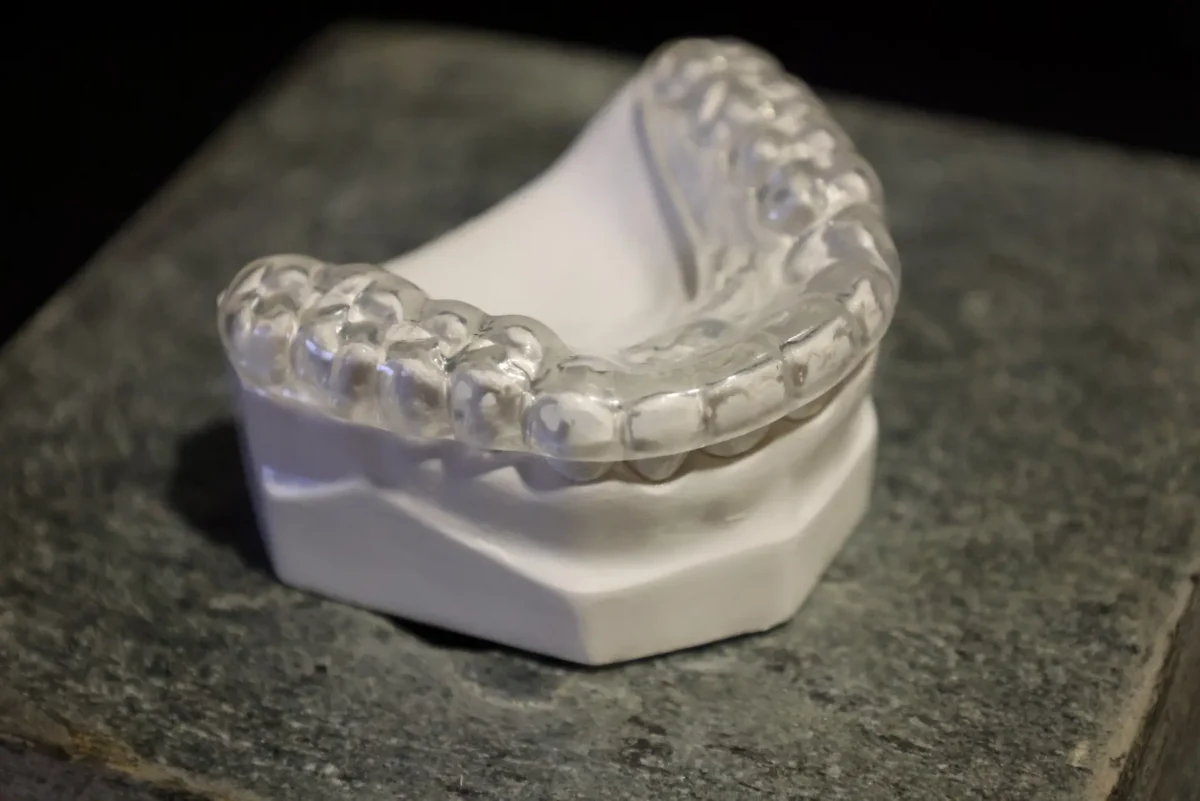
If you have been researching clear aligners, you already know that getting a straight answer on Invisalign cost is harder than it should be. Most sources tell you it “depends” without explaining what it actually depends on, or they quote a range so wide it tells you nothing useful. This guide is different. We break down exactly what drives Invisalign pricing in 2026, what patients in Houston, TX can realistically expect to pay for each case type, how insurance and financing work, and how Invisalign compares to traditional braces so you can make a confident, informed decision before your first consultation.

By 2025, over 18 million people worldwide had completed Invisalign treatment, with adults now accounting for 70% of new cases according to Align Technology data. The clear aligner market is one of the fastest-growing segments in dentistry, valued at over $5 billion in 2025 and projected to grow 29.5% between 2025 and 2030. The growing demand reflects the ability of Invisalign to successfully treat a wide range of orthodontic concerns when used for appropriate cases and worn as prescribed. At The Comprehensive Dental Group of Houston, our Invisalign services in Houston are delivered by a multi-specialty team with the clinical depth to handle straightforward cases and complex ones equally well.

Below you will find the most detailed, transparent breakdown of Invisalign cost available for Houston patients, including every factor that moves the price, a side-by-side braces vs Invisalign comparison, insurance guidance, and financing options. Use this page to walk into your consultation fully prepared.

What Does Invisalign Cost in 2026?

In 2026, Invisalign treatment in the United States typically ranges from $3,000 to $8,000 depending on case complexity, treatment tier, and provider experience. The national midpoint for a comprehensive case is approximately $5,000. That figure represents the starting point for most adult patients with moderate crowding, spacing, or bite issues before any insurance benefit or financing is applied.

Invisalign offers several distinct treatment tiers, each priced according to how many aligners are needed and how long treatment runs. Understanding which tier fits your situation gives you a much more useful number than a generic range.

Invisalign Cost by Treatment Tier (2026)

Treatment TierBest ForTreatment DurationEstimated Cost
Invisalign Express / LiteVery minor crowding or spacing; relapse after braces3 to 6 months$1,500 to $3,500
Invisalign ModerateMild to moderate alignment issues6 to 12 months$3,000 to $5,000
Invisalign FullModerate to complex crowding, spacing, or bite issues12 to 18 months$4,500 to $7,000
Invisalign ComprehensiveComplex bite corrections, significant misalignment18 to 24+ months$5,500 to $8,500+
Invisalign TeenTeenagers; includes compliance indicators and replacement trays12 to 18 months$3,000 to $7,000

These figures represent total treatment cost before insurance, discounts, or financing. A complete quote from a reputable provider should cover your digital scan, all planned aligner trays, routine check-up visits, any attachments needed during treatment, and your first set of retainers. Always confirm whether retainers are included before signing any financial agreement, as some practices add a separate $400 to $700 charge at treatment completion.

What Factors Affect the Cost of Invisalign?

Two patients can walk into the same office and receive quotes $3,000 apart. Here is why.

Case Complexity

This is the single most important cost driver. Simple spacing or minor crowding requires fewer aligners, a shorter treatment timeline, and fewer office visits. Complex bite corrections involving overbite, underbite, or crossbite require significantly more aligners, possible attachments bonded to the teeth, and longer provider involvement. The complexity of your starting point is something only a clinical evaluation can accurately assess.

Number of Aligners and Treatment Duration

Invisalign fees are built around how many sets of trays your treatment requires. A six-month case using 14 trays costs less than an 18-month case using 40 or more. Longer treatment also means more monitoring appointments, which contribute to the overall fee. For most practices, all of this is bundled into a single treatment fee rather than billed per tray or per visit.

Provider Experience and Designation

Align Technology assigns provider status tiers based on case volume: Provider, Preferred Provider, Premier Provider, Premier Elite, and Diamond. Higher-tier providers have treated more cases, which generally means greater skill at managing complex movements and refinements efficiently. As an Invisalign provider in Houston, CDGH brings multi-specialty clinical expertise to every case. Providers with higher designations may charge slightly more, but the reduced likelihood of extended refinements often offsets the difference.

Geographic Location

Dental overhead in Houston, TX is lower than in cities like New York or Los Angeles, which generally keeps pricing competitive. Urban Houston practices typically charge less per case than their coastal counterparts for equivalent complexity. If you are searching for an Invisalign dentist near me in the greater Houston area, expect pricing that is generally at or below national midpoints.

Attachments and Additional Procedures

Some tooth movements require small, tooth-colored composite bumps called attachments to be bonded temporarily to the teeth. These are included in most comprehensive treatment fees. Occasionally, patients need preparatory work such as teeth whitening, gum contouring, or treatment for underlying gum disease before aligners can be placed. These add to the total investment but protect the integrity of the result.

Retainers After Treatment

Every Invisalign case requires retainers after treatment to maintain results. Most practices include the first set in the quoted fee. Replacement retainers, if needed later, typically run $100 to $300 per set. Long-term retainer wear is not optional: without it, teeth naturally drift back toward their original positions.

Does Dental Insurance Cover Invisalign?

Yes, in many cases. Most dental insurance plans that include orthodontic benefits treat Invisalign the same way they treat traditional braces. According to data from Invisalign.com, approximately 92% of insured patients qualify for up to $3,000 in orthodontic coverage, with a coverage average of around $1,772 for those using insurance. Coverage is typically applied as a percentage of total treatment cost (often 50%) up to a lifetime maximum, which usually falls between $1,000 and $3,000 depending on your plan.

Important caveats: orthodontic benefits are often a once-in-a-lifetime benefit. If you used it for braces as a teenager, your plan may not cover Invisalign as an adult. Coverage also varies considerably between plans. The only reliable way to know your specific benefit is to contact your insurer directly before starting treatment. Our team can help you navigate this at your consultation.

FSA (Flexible Spending Account) and HSA (Health Savings Account) funds can also be applied toward Invisalign treatment costs. Using pre-tax dollars effectively reduces the total cost by 22 to 37 percent depending on your tax bracket, making this one of the most financially impactful tools available to patients with access to these accounts.

How to Finance Invisalign at CDGH

The Comprehensive Dental Group of Houston offers flexible payment plans designed to make Invisalign accessible regardless of your upfront budget. Most patients are surprised by how manageable the monthly payment is once the total is spread across 12 to 24 months.

As an example: a $5,000 comprehensive case with a $1,000 down payment financed over 24 months results in approximately $167 per month. With insurance covering $1,500, that same case requires only $2,500 out of pocket, potentially as low as $104 per month over 24 months.

We work with third-party financing partners that specialize in dental procedures. Approval rates are high, and many plans carry low or no interest for qualified patients. Visit our financing page for a complete overview of the options available at our Houston practice, or discuss payment plans directly during your consultation.

Braces vs Invisalign: Cost and Clinical Comparison

The braces vs Invisalign question comes up in almost every consultation. The honest answer is that for most cases, the two are clinically comparable in outcome and similar in cost. Choosing between them comes down to lifestyle, compliance, and case complexity.

Clinical Outcomes

A 2024 retrospective study published in PMC/NIH compared patients treated with conventional braces and Invisalign between 2020 and 2022. Both techniques demonstrated success rates of 88 to 90% in correcting malocclusion. The mean treatment time for Invisalign was 18 months compared to 24 months for conventional braces, a statistically significant difference. However, this advantage partly reflects that Invisalign tends to be used more often for milder cases.

For mild to moderate crowding, spacing, and straightforward bite issues, Invisalign performs comparably to traditional braces. For severe malocclusions, significant rotations, and complex vertical movements, traditional braces retain an advantage because fixed brackets deliver continuous, precisely directed force that aligners cannot fully replicate in all three dimensions.

Braces vs Invisalign: Side-by-Side Comparison

FactorTraditional BracesInvisalign
Cost range$3,000 to $7,000$3,000 to $8,000
Average treatment time18 to 24 months12 to 18 months (avg. cases)
VisibilityNoticeable metal bracketsNearly invisible
RemovabilityFixed; cannot be removedRemovable for eating and cleaning
Compliance requiredNone (fixed to teeth)Must wear 20 to 22 hrs/day
Complex bite correctionExcellentGood (limited for severe cases)
Oral hygiene easeHarder (cleaning around brackets)Easier (remove aligners to brush)
Dietary restrictionsYes (avoid hard/sticky foods)None (remove aligners to eat)
ComfortCan irritate gums and cheeksSmooth plastic; generally comfortable
Insurance coverageUsually coveredUsually covered the same way
Best forComplex cases; lower compliance patientsAdults/teens; mild to moderate cases

For more detail on orthodontic options at CDGH, visit our orthodontics page and our dental braces in Houston service page.

Is Invisalign Worth the Cost?

For the right candidate, yes. Invisalign delivers clinical outcomes comparable to braces for mild to moderate cases, often in less time, with fewer dietary restrictions, easier oral hygiene, and none of the social stigma that adult patients associate with metal brackets. A study published in the Journal of Clinical Orthodontics found a 96% patient satisfaction rate among Invisalign patients, which is among the highest of any orthodontic modality.

Straightening teeth also has health benefits beyond aesthetics. Properly aligned teeth are easier to clean, which reduces the risk of plaque buildup, cavities, and gum disease over time. Bite alignment can reduce unnecessary wear on specific teeth. For patients combining Invisalign with cosmetic dentistry such as veneers or teeth whitening, having straight teeth first creates a better foundation for long-term cosmetic results.

The most honest answer to whether Invisalign is worth it is this: if your case is appropriate for clear aligners and you will wear them as prescribed, the investment is fully justified by the outcome. The critical variable is compliance. Aligners only move teeth when they are in your mouth. Wearing them 20 to 22 hours per day, every day, is non-negotiable.

Why Choose CDGH as Your Invisalign Provider in Houston

As an established Invisalign provider in Houston, TX, The Comprehensive Dental Group of Houston delivers clear aligner treatment within a multi-specialty practice environment. That distinction matters. Most Invisalign providers are general dentists who offer aligners alongside routine care. At CDGH, every Invisalign case is assessed in the context of full oral health, including gum condition, bite function, and any restorative needs that could affect the treatment plan or its longevity.

We use digital 3D scanning for precise treatment planning, so you can see a simulation of your projected outcome before a single aligner is ordered. Our team ensures your gum health supports your alignment goals throughout treatment.

Beyond Invisalign, CDGH offers a full range of related services to support your complete smile: teeth whitening, dental bonding, veneers, smile makeovers, dental implants, and sedation dentistry for patients who prefer a more relaxed experience. Whatever your starting point, we build a plan that serves both your cosmetic goals and your long-term oral health.

Patients from across the Houston area have transformed their smiles at CDGH. To see a representative sample of results, visit our before and after gallery.

Related Articles

Frequently Asked Questions: Invisalign Cost

How much does Invisalign cost in 2026?

Invisalign treatment in the United States costs between $3,000 and $8,000 in 2026 depending on case complexity and provider. Most comprehensive adult cases land near $5,000 before insurance or financing. Simple cases such as minor relapse after previous braces can be as low as $1,500 to $3,500 through the Express or Lite tier. Complex cases involving bite correction, severe crowding, or long treatment timelines reach the upper end of the range. In Houston, TX, pricing tends to be at or below national midpoints due to lower overhead compared to major coastal cities.

Does insurance cover Invisalign?

Most dental insurance plans with orthodontic benefits cover Invisalign the same way they cover traditional braces. According to Invisalign data, approximately 92% of insured patients qualify for up to $3,000 in orthodontic coverage, with an average benefit of around $1,772. Coverage is typically a lifetime benefit applied as 50% of treatment cost up to the plan maximum. If you used orthodontic benefits as a child for braces, your plan may not provide a second benefit for Invisalign as an adult. Confirm your specific coverage with your insurer before your consultation, and bring your insurance information to your appointment at CDGH.

How does Invisalign compare to braces in terms of cost?

For most cases of comparable complexity, Invisalign and traditional metal braces are priced within $500 to $1,000 of each other. Metal braces range from roughly $3,000 to $7,000 nationally; Invisalign ranges from $3,000 to $8,000. Ceramic braces typically fall in the same range as Invisalign or higher. The cost difference alone is rarely the deciding factor. More meaningful differences are in comfort, visibility, removability, and compliance requirements. For mild to moderate cases, both approaches produce comparable clinical outcomes, as supported by a 2024 comparative study published in PMC/NIH.

How do I find an Invisalign dentist near me in Houston?

The Comprehensive Dental Group of Houston serves patients throughout the Houston, TX metropolitan area and surrounding communities. As an established Invisalign provider, CDGH offers complimentary consultations where you can get a complete case assessment and a transparent treatment plan with pricing. You can also confirm an Invisalign provider’s status through the Align Technology provider locator, which shows designation tier and case volume. Higher designation levels indicate greater experience with a wider range of case types.

What is included in the Invisalign treatment fee?

A complete Invisalign fee from a reputable provider typically includes the initial digital scan and case planning, all planned aligner trays for the treatment course, monitoring appointments throughout treatment, any attachments required during tooth movement, refinement aligners if teeth need minor adjustment after the main series, and the first set of retainers. Not every practice includes all of these by default. Always ask specifically whether refinement aligners and retainers are included before committing to a treatment plan. Hidden add-ons discovered at the end of treatment are one of the most common sources of frustration for Invisalign patients.

How long does Invisalign treatment take?

Treatment duration depends on how much tooth movement is required. A retrospective clinical study published in PMC/NIH found the mean treatment time for Invisalign was 18 months compared to 24 months for conventional braces in cases of similar complexity. In practice, Express cases complete in 3 to 6 months, moderate cases in 6 to 12 months, and comprehensive cases in 12 to 24 months or longer. Compliance is the most significant variable under your control: wearing aligners fewer than 20 to 22 hours per day extends treatment and can add cost if additional aligners are needed.

Can I finance Invisalign treatment?

Yes. CDGH offers flexible payment plans through third-party financing partners. A typical structure involves a down payment with equal monthly installments over 12 to 24 months, often at low or no interest for qualified patients. On a $5,000 case with $1,000 down financed over 24 months, the monthly payment is approximately $167. With insurance covering $1,500 of that total, the monthly payment could be as low as $104 over 24 months. HSA and FSA funds can also be applied toward Invisalign costs, reducing your effective out-of-pocket by 22 to 37 percent depending on your tax bracket. Visit our financing page for details.

Is Invisalign better than braces?

Neither option is universally better. The right choice depends on your specific case, your lifestyle, and your compliance capacity. For mild to moderate misalignment, crowding, and spacing, Invisalign delivers outcomes comparable to braces and offers meaningful advantages in aesthetics, comfort, and oral hygiene. For complex bite corrections, severe rotations, or significant vertical movements, traditional braces often produce more predictable results because fixed brackets deliver continuous force in all three dimensions. Patients who are concerned about their ability to wear aligners 20 to 22 hours per day consistently may also do better with fixed braces. Your CDGH provider will assess your case and recommend the option most likely to achieve your goals efficiently.

What is an Invisalign provider designation and does it matter?

Align Technology, the maker of Invisalign, assigns provider designations based on annual case volume: Provider, Preferred Provider, Premier Provider, Premier Elite, and Diamond. Higher designations indicate that the practice treats more Invisalign cases per year, which typically correlates with greater experience managing complex movements, refinements, and edge-case scenarios. For simple cases, the designation matters less. For complex bite corrections or full-mouth treatment, a higher-tier Invisalign provider offers greater confidence that complications will be anticipated and managed efficiently. At CDGH, Invisalign is delivered within a multi-specialty practice with board-certified periodontists and restorative specialists who bring clinical depth beyond standard aligner training.

What happens after Invisalign treatment is complete?

Once your teeth reach their final positions, you will be fitted for retainers. Wearing retainers as prescribed is essential to prevent natural tooth drift. Most patients wear retainers nightly long-term. Your first set of retainers is typically included in your Invisalign treatment fee. Replacement retainers, when needed, generally cost $100 to $300 per set. Following your post-treatment protocol, attending regular preventive care appointments, and maintaining good oral hygiene ensures your results remain stable for years.

References

  1. Align Technology: Patient data reporting 18 million worldwide Invisalign patients and adult treatment demographics. https://www.aligntech.com/
  2. PMC/NIH: Comparative Analysis of Braces and Aligners: Long-Term Orthodontic Outcomes (Journal of Pharmacy and Bioallied Sciences, 2024). Mean treatment duration and success rate comparison. https://pmc.ncbi.nlm.nih.gov/articles/PMC11426652/
  3. Invisalign.com: Average cost of Invisalign treatment and insurance coverage data including OrthoFi analysis of 112,243 insured patients. https://www.invisalign.com/invisalign-cost
  4. American Association of Orthodontists: Clear Aligner Therapy clinical guidance and patient treatment standards. https://www.aaoinfo.org/
  5. PMC/NIH: Patient compliance with braces vs. Invisalign: a secondary data analysis from a randomized clinical trial (J Appl Oral Sci, 2025). https://pmc.ncbi.nlm.nih.gov/articles/PMC12652435/
  6. CDC National Center for Health Statistics: FastStats Oral and Dental Health. Prevalence of orthodontic conditions among U.S. adults. https://www.cdc.gov/nchs/fastats/dental.htm

What to Know About Cosmetic Dentistry in Houston: Treatments, Benefits, and Costs

Most people do not start looking into cosmetic dentistry because they want a perfect smile. They start because there is something they notice every day: stained teeth in photos, a chipped front tooth, uneven spacing, worn edges, or a smile that no longer reflects how they feel about themselves.

At The Comprehensive Dental Group of Houston, we help patients throughout Houston address these concerns with personalized cosmetic dentistry treatments designed to enhance both appearance and confidence. Whether you are considering teeth whitening, veneers, Invisalign, or a complete smile makeover, understanding your options is the first step toward making the right decision.

This guide explains what cosmetic dentistry includes, which treatments may be right for you, what costs to expect, and how to choose the right provider for your goals.

According to the American Academy of Cosmetic Dentistry (AACD), 99.7% of Americans believe a smile is an important social asset. And the U.S. cosmetic dentistry market reached $4.25 billion in 2024, with projections showing continued growth as more adults seek durable, natural-looking results. The demand is there because the treatments now deliver outcomes that older techniques simply could not. At The Comprehensive Dental Group of Houston, our team combines multi-specialty expertise with advanced technology so every result is built to last.

What Is Cosmetic Dentistry?

Cosmetic dentistry refers to any dental work that primarily improves the appearance of teeth, gums, or a person’s smile. While general dentistry focuses on diagnosing and treating oral disease, cosmetic dentistry focuses on aesthetics such as color, shape, size, alignment, and overall smile symmetry. Many cosmetic procedures also have restorative benefits, meaning they improve both how your smile looks and how it functions.

The distinction matters when you are researching your options. A procedure labeled “cosmetic” may still correct a chipped tooth that affects how you bite, or close a gap that harbors bacteria. At The Comprehensive Dental Group of Houston, we evaluate both the functional and aesthetic dimensions of every case before recommending a treatment plan.

Cosmetic Dentistry Procedures at The Comprehensive Dental Group of Houston

Our cosmetic dentistry menu covers a full range of smile improvements. Below is an overview of each treatment, who it is best suited for, and what you can realistically expect from the results.

Porcelain Veneers

Porcelain veneers are thin ceramic shells bonded to the front surface of your teeth. They correct discoloration, chips, minor misalignment, worn edges, and gaps in a single treatment sequence. A systematic review published in PMC/NIH found that the 10-year cumulative survival rate for porcelain laminate veneers is 95.5%, making them one of the most durable elective dental restorations available.

Our porcelain veneers in Houston are custom-fabricated to match your natural tooth color and shaped to complement your facial features. Most cases are completed in two or three appointments. Learn more about the process on how do veneers work and what is the purpose of a veneer.

Professional Teeth Whitening

Teeth whitening remains one of the most requested cosmetic treatments in the country. Approximately 35.26 million Americans underwent whitening procedures in 2024 according to data cited by Fortune Business Insights. Over-the-counter products can brighten teeth slightly, but professional-grade treatments at our office reach a level of whitening that store-bought kits simply cannot match. Our teeth whitening services in Houston use clinical-strength formulas for results that are both dramatic and safe.

Dental Bonding

Dental bonding is a versatile, affordable procedure that uses tooth-colored composite resin to repair chips, cracks, gaps, or staining. It is often completed in a single appointment with no anesthetic required. Our dental bonding in Houston page walks through the process, costs, and ideal candidates for this treatment.

Dental Crowns

A dental crown is a tooth-shaped cap that covers a damaged or weakened tooth entirely. Crowns are both restorative and cosmetic: they protect a compromised tooth while restoring its appearance to look completely natural. Tooth-colored crowns made from porcelain or zirconia are indistinguishable from natural teeth. Visit our dental crowns Houston page for details on materials, timeline, and what to expect during your appointment.

Invisalign Clear Aligners

Align Technology, the maker of Invisalign, reached its 18 millionth patient in 2024, with adults now accounting for 70% of new cases. Clear aligners let you straighten teeth without metal braces, using a series of custom-fitted trays that are virtually invisible when worn. At The Comprehensive Dental Group of Houston, our Invisalign Houston service is available for mild to moderate alignment cases.

Many patients complete treatment within 12 to 18 months, although treatment timelines vary based on the complexity of tooth movement required.

Gum Contouring

A “gummy smile” can make teeth look short or uneven even when the teeth themselves are healthy. Gum contouring reshapes the gum line using a soft-tissue laser, revealing more of the tooth surface and creating a more balanced smile. Our gum contouring in Houston is a minimally invasive procedure with a short recovery period.

Tooth-Colored Fillings and Inlays/Onlays

Older silver amalgam fillings are functional but noticeable. Tooth-colored fillings made from composite resin blend seamlessly with natural tooth color. For larger restorations, ceramic inlays and onlays provide the durability of a crown without removing as much healthy tooth structure. Both options are available through our cosmetic dentistry program.

Smile Makeovers

A smile makeover combines two or more cosmetic procedures into a coordinated treatment plan designed to achieve a comprehensive transformation. Patients with multiple concerns, such as staining, gaps, worn enamel, and gum asymmetry, often achieve better results through a planned sequence of treatments rather than addressing each issue separately. Our smile makeover services in Houston page describes how we build these custom plans.

Cosmetic Dentistry Procedures: Quick Comparison

ProcedureBest ForApprox. DurationLongevity
Porcelain VeneersChips, staining, gaps, minor misalignment2-3 visits15-20+ years
Teeth WhiteningSurface and intrinsic staining1 visit (in-office)1-3 years with maintenance
Dental BondingMinor chips, small gaps1 visit5-10 years
Dental CrownsDamaged or worn-down teeth2 visits10-15+ years
InvisalignMild to moderate misalignment12-18 monthsPermanent with retainer
Gum ContouringGummy smile, uneven gum line1 visitPermanent
Smile MakeoverMultiple concerns at onceVaries by planDepends on procedures used

How to Find the Best Cosmetic Dentist Near Me in Houston

Searching “cosmetic dentist near me” or “cosmetic dentistry near me” returns dozens of results in Houston. Sorting through them can feel overwhelming. Here is what actually matters when choosing the right provider.

Look for Multi-Specialty Expertise

Cosmetic dentistry is not a recognized dental specialty by the American Dental Association, which means any general dentist can label themselves a cosmetic dentist. What separates exceptional providers from average ones is multi-specialty training and hands-on case volume. At The Comprehensive Dental Group of Houston, our team includes board-certified periodontists and dentists with advanced training in esthetic and restorative procedures.

Review Before and After Photos

Any skilled cosmetic dentist should be able to show you real patient results from cases similar to yours. Visit our before and after gallery to see the outcomes our team has achieved for Houston patients. Look for natural-looking results that complement the patient’s facial features, not just uniformly white, boxy teeth.

Ask About Technology and Materials

The quality of materials and the precision of technology directly affect how long your results last. Digital smile design, CAD/CAM restorations, and 3D imaging allow for more accurate planning and better fitting restorations. These are features worth asking about during your consultation.

Verify Financing Options

Most cosmetic procedures are not covered by dental insurance. A trustworthy practice will be upfront about costs and offer flexible financing options so cost does not become a barrier to achieving the smile you want. At The Comprehensive Dental Group of Houston, we work with patients to find payment solutions that fit their budgets.

What to Expect During Your Cosmetic Dentistry Consultation

Your first appointment at The Comprehensive Dental Group of Houston is a conversation, not a sales pitch. Here is how the process typically unfolds.

  • Comprehensive exam: We review your dental health history, take X-rays if needed, and assess the condition of your teeth and gums.
  • Smile analysis: We evaluate the shape, size, color, and symmetry of your current smile in the context of your facial proportions.
  • Goal discussion: We ask about what you want to change, how dramatic or subtle you want the result to be, and what your timeline looks like.
  • Treatment plan: We present a clear, prioritized plan with options, timelines, and cost estimates. You leave with full information, not just a number to call back.

We also complete a new patient intake so we can get to know you as a whole patient. Fill up our new patient forms online in advance to save time at your appointment.

Cosmetic Dentistry Near Me: Understanding Costs and Financing

One of the most common questions patients ask is about cost. The answer depends on the procedure, the number of teeth involved, and the materials used. Below are general price ranges for reference.

ProcedureApproximate Cost Range (Per Tooth or Treatment)
Teeth Whitening (In-Office)$300 to $800 per session
Dental Bonding$300 to $600 per tooth
Porcelain Veneers$900 to $2,500 per tooth
Dental Crowns$1,000 to $2,000 per tooth
Invisalign$3,000 to $7,000 total
Gum Contouring$300 to $1,000 per arch
Smile MakeoverVaries based on procedures included

These are estimates. Actual costs depend on your specific case and will be reviewed in detail during your consultation. Most procedures are not covered by dental insurance, though some dual-purpose treatments like crowns may qualify for partial coverage if there is a documented functional need.

We offer flexible payment plans and work with financing partners to make treatment accessible. Visit our financing page to learn more about the options available to you.

Why Houston Patients Choose The Comprehensive Dental Group of Houston for Cosmetic Dentistry

The Comprehensive Dental Group of Houston brings together a team of specialists under one roof, which means you are not shuffling between providers or repeating your history at every appointment. Our dentists include board-certified periodontists and restorative specialists who approach every cosmetic case with a foundation of clinical rigor.

We use advanced digital imaging and smile design tools to show you a preview of your results before treatment begins. Our sedation dentistry options are available for patients who feel anxious about dental procedures, and we are committed to making every visit as comfortable as possible.

Beyond cosmetic dentistry, our services include dental implants, restorative dentistry, preventive care, and orthodontics. If your cosmetic goals intersect with underlying dental health needs, we can address them in an integrated, coordinated way that protects your long-term results.

Related Articles

Frequently Asked Questions About Cosmetic Dentistry in Houston

What is cosmetic dentistry and how is it different from general dentistry?

General dentistry focuses on diagnosing and treating oral disease, including cavities, gum disease, and infections. Cosmetic dentistry focuses on improving the appearance of your smile through elective procedures like whitening, veneers, bonding, and contouring. In practice, many treatments serve both purposes. A crown, for example, restores a broken tooth while also improving its appearance. At The Comprehensive Dental Group of Houston, we evaluate both the health and aesthetic dimensions of your smile before recommending any treatment plan.

How do I find the best cosmetic dentist near me?

Start by looking for a provider with documented experience in the specific procedures you are considering. Ask to see before and after photos from real patients. Verify that the practice uses modern materials and technology, such as digital smile design and ceramic restorations. Check that the team includes specialists, not just general practitioners who occasionally perform cosmetic work. The Comprehensive Dental Group of Houston offers a free consultation where you can ask these questions directly and evaluate whether our team is the right fit for you.

Is cosmetic dentistry near me covered by dental insurance?

Most cosmetic procedures are considered elective and are not covered by standard dental insurance. However, some treatments that also address functional problems, such as crowns over broken teeth or Invisalign for bite correction, may qualify for partial coverage. We recommend reviewing your specific plan before your appointment and bringing your insurance information to your consultation. Our team can help you understand what, if anything, your plan may cover and what financing options are available for the remainder.

How long do porcelain veneers last?

Research published in PMC/NIH shows that porcelain laminate veneers have a 10-year cumulative survival rate of 95.5% when properly bonded to enamel. With good oral hygiene, regular dental visits, and avoiding habits like teeth grinding or biting hard objects, veneers can remain in excellent condition for 15 to 20 years or longer. Veneers are not permanent in the sense that the tooth preparation is irreversible, but they are one of the longest-lasting elective cosmetic restorations available.

Does cosmetic dentistry hurt?

Most cosmetic procedures are minimally invasive and cause little to no discomfort. Teeth whitening can cause temporary sensitivity. Veneer placement involves light preparation of the tooth surface, typically performed with local anesthetic. Dental bonding usually requires no anesthetic at all. For patients who feel anxious about any dental procedure, The Comprehensive Dental Group of Houston offers sedation dentistry options that allow you to stay calm and comfortable from start to finish.

How much does cosmetic dentistry cost in Houston, TX?

Costs vary widely by procedure. Teeth whitening ranges from roughly $300 to $800 per session. Dental bonding typically runs $300 to $600 per tooth. Porcelain veneers range from $900 to $2,500 per tooth, depending on the material and number of teeth treated. Invisalign ranges from $3,000 to $7,000 for a full course of treatment. Smile makeovers vary based on the procedures included. We provide detailed cost estimates during your consultation and offer flexible financing options to help manage the investment.

What is a smile makeover?

A smile makeover is a personalized treatment plan that combines two or more cosmetic procedures to achieve a comprehensive transformation. Common combinations include veneers with whitening, or crowns with gum contouring and bonding. The goal is to address multiple concerns in a coordinated way rather than treating each issue independently. Our smile makeover page outlines how we design these plans and what the treatment process looks like from start to finish.

How long does cosmetic dental treatment take?

It depends on the procedure. Teeth whitening can be completed in a single one-hour appointment. Dental bonding also takes one visit. Porcelain veneers typically require two to three visits over a few weeks. Invisalign treatment runs 12 to 18 months on average. Smile makeovers involving multiple procedures may span several months, with appointments scheduled to allow proper healing between stages. During your consultation, we will give you a realistic timeline based on the specific plan we recommend.

Can I combine cosmetic dentistry with dental implants or restorative care?

Yes, and in many cases it is the most effective approach. Patients who need a dental implant to replace a missing tooth can have it topped with a crown that matches veneers placed on adjacent teeth, producing a seamless result. Patients undergoing restorative dentistry for damaged teeth can choose tooth-colored materials that also improve the appearance of their smile. At The Comprehensive Dental Group of Houston, our multi-specialty team is equipped to coordinate these approaches under one roof.

References

  1. American Academy of Cosmetic Dentistry (AACD): State of the Cosmetic Dentistry Industry survey data on patient spending and smile perception statistics. https://aacd.com/
  2. PMC/NIH: Long-Term Survival and Complication Rates of Porcelain Laminate Veneers in Clinical Studies: A Systematic Review. Cumulative 10-year survival rate data for PLVs. https://pmc.ncbi.nlm.nih.gov/articles/PMC7961608/
  3. PubMed/NIH: Porcelain laminate veneers 6- to 12-year clinical evaluation. Survival probability and clinical failure rate data. https://pubmed.ncbi.nlm.nih. gov/15736774/
  4. Fortune Business Insights: Dental Services Market Size Report. U.S. cosmetic dentistry market valuation and teeth whitening procedure volume. https://www.fortunebusinessinsights.com/dental-services-market-109798
  5. American Dental Association (ADA) Health Policy Institute: Dental practice and workforce statistics including patient satisfaction data. https://www.ada.org/resources/research/health-policy-institute/dental-practice-research
  6. CDC National Center for Health Statistics: FastStats Oral and Dental Health. Prevalence of dental caries and oral health conditions among U.S. adults. https://www.cdc.gov/nchs/fastats/dental.htm

How Much Do Veneers Cost? Your 2026 Price Guide from Houston Dentists

If you have been researching veneers, you have already noticed that prices vary enormously depending on where you look. You might see numbers from $250 to $3,000 per tooth, often without any explanation for the gap. That range is real, and it exists for good reasons. This guide walks you through exactly what drives veneer costs in 2026, what you can realistically expect to pay for porcelain veneers and composite veneers in Houston, TX, and how The Comprehensive Dental Group of Houston approaches treatment planning so you never feel surprised by the investment.

Veneers are one of the most requested cosmetic dentistry procedures in the country. According to CareCredit pricing data, the national average cost for a single porcelain veneer is $1,765, with a range of $925 to $2,500 per tooth. Composite veneers run lower, typically $250 to $1,500 per tooth. Most patients treat six to ten teeth to achieve a complete smile transformation, bringing the total investment to somewhere between $5,000 and $25,000 depending on material, case complexity, and any preparatory procedures required. Understanding exactly where your case falls within that range is the goal of your consultation.

Veneers are a significant financial decision, and we think you deserve honest information before you make it. Below you will find detailed price breakdowns, a side-by-side comparison of veneer types, a full dental bonding vs veneers comparison, and answers to the questions Houston patients ask us most.

What Are Veneers? A Quick Overview

Veneers are thin shells bonded to the front surface of your teeth to improve color, shape, size, or alignment. They correct a wide range of cosmetic concerns including deep staining, chipped edges, gaps, minor crowding, and worn enamel. The two primary types are porcelain veneers and composite veneers, and they differ significantly in cost, durability, and process.

You can read more about how they work on our dedicated how do veneers work page and what are veneers resource.

How Much Do Porcelain Veneers Cost in 2026?

Porcelain veneers cost between $925 and $2,500 per tooth nationally in 2026, with a national average near $1,765 per tooth according to CareCredit pricing data. In the Houston, TX market, most quality practices price porcelain veneers in the $1,000 to $2,200 per tooth range.

Porcelain is the gold standard veneer material because it mimics the light-reflecting properties of natural tooth enamel, resists staining, and lasts significantly longer than composite alternatives. A systematic review published in PMC/NIH reported a 10-year cumulative survival rate of 95.5% for porcelain laminate veneers when properly bonded to enamel and maintained over time, making them one of the most durable cosmetic dental treatments available.

Total Cost by Number of Teeth (Porcelain)

Treatment ScopeTeeth TreatedEstimated Total Range
Single tooth1$925 to $2,500
Small case2 to 4$1,850 to $10,000
Partial smile zone6 to 8$5,550 to $20,000
Full smile zone10$9,250 to $25,000
Full mouth16 to 20$15,000 to $50,000+

Most patients do not need full-mouth veneers. The smile zone (the teeth visible when you smile naturally) typically includes the upper front six to ten teeth. Treating only the teeth that show is a practical way to achieve a dramatic transformation at a manageable cost.

How Much Do Composite Veneers Cost in 2026?

Composite veneers cost between $250 and $1,500 per tooth in 2026, making them significantly more affordable upfront than porcelain alternatives. Unlike porcelain veneers, composite veneers are sculpted directly onto your tooth in a single appointment by your dentist, without lab fabrication. This eliminates lab fees and reduces chair time, which is where the cost difference comes from.

The trade-off is durability and aesthetics. Composite resin does not reflect light the way porcelain does, and it is more susceptible to staining from coffee, wine, and tea. With proper care, composite veneers last five to seven years on average, compared to 15 to 20 years for porcelain. Over a 20-year period, replacing composite veneers two to three times can exceed the original cost of porcelain, making porcelain more cost-effective for many patients long-term.

Total Cost by Number of Teeth (Composite)

Treatment ScopeTeeth TreatedEstimated Total Range
Single tooth1$250 to $1,500
Small case2 to 4$500 to $6,000
Partial smile zone6 to 8$1,500 to $12,000
Full smile zone10$2,500 to $15,000

Dental Bonding vs Veneers: Which Is Right for You?

Dental bonding is often mentioned alongside veneers as a lower-cost alternative. Bonding uses the same composite resin as composite veneers, but instead of covering the entire front surface of a tooth, it targets a specific area such as a chip, gap, or stain. The procedure is fast, usually completed in 30 to 60 minutes per tooth, and rarely requires anesthetic. Cost ranges from $100 to $400 per tooth.

The decision between bonding and veneers comes down to the size and nature of your concern, your budget, and how long you want the result to last. For isolated minor chips or gaps, bonding is an excellent, conservative choice. For patients wanting a uniform transformation across multiple visible teeth, veneers deliver a more durable and aesthetically consistent result.

Explore our dental bonding in Houston page for a full breakdown of what the procedure involves.

Dental Bonding vs Veneers: Side-by-Side Comparison

FactorDental BondingComposite VeneersPorcelain Veneers
Cost per tooth$100 to $400$250 to $1,500$925 to $2,500
Longevity5 to 10 years5 to 7 years15 to 20+ years
Visits required112 to 3
Stain resistanceModerateModerateHigh
Enamel removalMinimal to noneMinimalYes (irreversible)
Best forMinor chips, small gapsBudget transformationFull smile makeover
Reversible?YesMostly yesNo
AestheticsGoodGoodExcellent

What Factors Affect the Cost of Veneers?

The final price you pay for veneers is shaped by several variables. Understanding them helps you evaluate quotes accurately and avoid comparing numbers that are not actually comparable.

Material Type

Porcelain requires custom lab fabrication, which adds cost but delivers superior aesthetics and durability. Composite can be applied chairside in one visit, reducing cost but also longevity. Within porcelain, options include traditional feldspathic porcelain, lithium disilicate (e.max), and zirconia, each with slightly different price points and clinical advantages.

Number of Teeth

Every tooth is priced individually. A case involving two veneers costs far less total than one involving ten, even if the per-tooth rate is identical. That said, some practices offer package pricing for larger cases, which can bring the per-tooth cost down slightly.

Dentist Experience and Specialization

Cosmetic dentistry is a skill-intensive specialty. A provider with advanced training, a high case volume, and documented results will typically charge more than a general dentist who occasionally places veneers. The difference in outcomes often justifies the difference in cost. At CDGH, our cosmetic team brings multi-specialty expertise to every case, including board-certified periodontists who address gum health as part of the treatment plan.

Geographic Location

Dental practices in major metropolitan areas like Houston, TX generally charge more than those in smaller markets, reflecting higher overhead costs and local demand. However, the Houston market is competitive, and pricing here tends to be more accessible than in cities like New York or Los Angeles.

Additional Pre-Treatment Procedures

Some patients need preparatory work before veneers can be placed. Teeth whitening ensures surrounding teeth match the veneer shade. Gum contouring corrects an uneven gum line. Patients with underlying issues such as cavities or gum disease must resolve those before any cosmetic work begins. These additional steps add to the total investment but protect the longevity of the final result.

Lab Quality

Veneers are custom-fabricated by a dental laboratory. High-quality labs use premium ceramic materials and skilled technicians who hand-layer porcelain for maximum translucency and shade accuracy. Lab quality directly affects how natural your result looks and how well it holds up over time. At CDGH, we work exclusively with labs whose craftsmanship meets our clinical standards.

Does Dental Insurance Cover Veneers?

In almost all cases, no. Dental insurance classifies veneers as a cosmetic procedure, which means coverage is excluded under most plans. There are narrow exceptions: if a veneer is placed to restore a tooth damaged by trauma and there is a documented functional need, some plans may offer partial reimbursement. This is uncommon and plan-specific.

Patients who need to check their coverage can refer to our does insurance usually cover general dentistry resource for context on how dental insurance works more broadly. For cosmetic procedures specifically, most patients plan to pay out of pocket or use financing.

Financing Options for Veneers at CDGH

The Comprehensive Dental Group of Houston offers flexible financing to make veneers accessible regardless of upfront budget. Payment plans allow you to spread the cost of treatment over monthly installments, often with low or no interest depending on the plan selected.

We work with third-party financing partners who specialize in dental procedures. Approval rates are high, and many patients are surprised by how manageable the monthly payment is once the total is divided across 12 to 24 months. Visit our financing page for details on the options available at our Houston practice.

Are Veneers Worth the Cost?

That depends on your goals and which type of veneer you choose. For patients who want a comprehensive, long-lasting smile transformation, porcelain veneers offer an excellent return on investment when you account for their 15 to 20-year lifespan. Amortized over that period, the annual cost is often lower than people expect.

For patients with minor concerns and limited budgets, dental bonding or composite veneers can produce meaningful improvements at a fraction of the cost. The key is matching the treatment to the goal. A consultation with an experienced cosmetic dentist is the most reliable way to determine which option will serve you best in the short and long term.

Our before and after gallery shows real results from CDGH patients across different procedures and investment levels. You can also explore what is the purpose of a veneer and is a veneer permanent to understand what you are committing to before your consultation.

Why Choose CDGH for Veneers in Houston, TX?

The Comprehensive Dental Group of Houston brings together a multi-specialty team under one roof, which means your cosmetic work is backed by clinical depth that a general dentistry practice cannot match. Our board-certified periodontists ensure your gum health is assessed alongside your cosmetic goals, because the longevity of veneers depends as much on the foundation as the restoration itself.

We use digital smile design to show you a preview of your outcome before any enamel is touched. Our lab partnerships produce restorations that are indistinguishable from natural teeth. And we offer sedation dentistry for patients who feel anxious about any dental procedure.

Beyond veneers, our cosmetic dentistry program includes teeth whitening, smile makeovers, Invisalign, dental crowns, and full-mouth reconstruction. Whatever your goals, we build a plan around your oral health, your timeline, and your budget.

Related Articles

Frequently Asked Questions: How Much Do Veneers Cost?

How much do veneers cost per tooth in 2026?

Porcelain veneers cost $925 to $2,500 per tooth in the United States in 2026, with the national average near $1,765 based on CareCredit pricing data. In Houston, TX, most reputable cosmetic practices price porcelain veneers between $1,000 and $2,200 per tooth. Composite veneers run $250 to $1,500 per tooth. The final cost per tooth depends on the material chosen, the complexity of your case, and the experience of your provider.

What is the difference between porcelain veneers and composite veneers?

Porcelain veneers are custom-fabricated in a dental laboratory using ceramic material that closely resembles natural tooth enamel. They require two to three appointments, are highly stain-resistant, and last 15 to 20 years with proper care. Composite veneers are sculpted directly onto the tooth in a single visit using composite resin, the same material used for tooth bonding. They cost less upfront but stain more easily and typically last five to seven years before needing replacement or repair. The best choice depends on your budget, goals, and how many teeth you are treating.

Is dental bonding cheaper than veneers?

Yes, significantly. Dental bonding costs $100 to $400 per tooth and is usually completed in one appointment with minimal tooth preparation. It is ideal for isolated minor concerns like a single chip or small gap. Veneers, particularly porcelain, cost considerably more per tooth but are far more durable and stain-resistant. For patients wanting to improve multiple teeth at once with long-lasting results, veneers often represent better long-term value even at the higher upfront cost. For a detailed comparison, visit our dental bonding Houston page.

Does dental insurance cover veneers?

Almost always, no. Dental insurance treats veneers as a cosmetic procedure and excludes them from coverage in most plans. Exceptions are rare and typically require documentation of a functional need, such as restoring a tooth damaged by trauma. If you have dental coverage, it is worth checking the specific terms of your plan, but most CDGH patients plan their veneer investment independently of insurance reimbursement. Flexible financing is available at our Houston office.

How many veneers do most patients get?

Most patients treat six to ten teeth, focusing on the smile zone: the upper front teeth visible when you smile naturally. A full-mouth case involving all visible upper and lower teeth typically includes 16 to 20 veneers and is less common. During your consultation, we evaluate exactly which teeth are involved in your visible smile and recommend a treatment scope matched to your specific goals rather than a one-size-fits-all plan.

How long do porcelain veneers last?

A systematic review published in PMC/NIH found that porcelain laminate veneers have a 10-year cumulative survival rate of 95.5% when properly bonded to enamel. With good oral hygiene, regular dental visits, and avoiding habits like biting hard objects or teeth grinding, porcelain veneers routinely last 15 to 20 years or longer. Their longevity is a key reason why, despite the higher upfront cost, porcelain is often more cost-effective than composite over the full lifespan of the restoration. Learn more on our what is the purpose of a veneer page.

Can I finance veneers at CDGH?

Yes. The Comprehensive Dental Group of Houston offers flexible financing options through third-party partners that allow patients to spread the cost of treatment over monthly payments. Many plans carry low or no interest depending on the term selected, and approval rates are high. Visit our financing page for a full overview of the plans available, or ask about payment options during your complimentary consultation.

What is the full cost of a smile makeover with veneers?

A smile makeover that includes veneers typically costs between $5,000 and $25,000 depending on the number of teeth treated, material chosen, and any preparatory procedures needed. Some patients also incorporate teeth whitening on non-veneered teeth, gum contouring, or Invisalign as part of a broader plan. A detailed treatment plan with itemized costs is produced at your consultation so you can evaluate the full investment before committing. Visit our smile makeover Houston page for more information.

Does getting veneers hurt?

Porcelain veneer placement involves light preparation of the tooth surface, which is performed with local anesthetic so you should not feel anything during the procedure. Some patients experience mild sensitivity in the days after preparation as temporary veneers are worn, but this resolves once the permanent veneers are bonded. Composite veneers typically require no anesthetic at all. For patients who feel anxious about any dental procedure, CDGH offers sedation dentistry options to keep you comfortable throughout. More detail is available on our does getting a veneer hurt page.

References

  1. CareCredit: How Much Do Veneers Cost? Pricing and Coverage Guide. National average and cost range data for porcelain and composite veneers. https://www.carecredit.com/well-u/health-wellness/dental-veneers-cost-dental-veneers-financing/
  2. PMC/NIH: Long-Term Survival and Complication Rates of Porcelain Laminate Veneers in Clinical Studies: A Systematic Review. 10-year cumulative survival rate data. https://pmc.ncbi.nlm.nih.gov/articles/PMC7961608/
  3. PubMed/NIH: Porcelain laminate veneers 6- to 12-year clinical evaluation. Survival probability and clinical failure rate analysis. https://pubmed.ncbi.nlm.nih.gov/15736774/
  4. American Academy of Cosmetic Dentistry (AACD): State of the Cosmetic Dentistry Industry survey. Patient spending data and cosmetic procedure trends. https://aacd.com/
  5. Fortune Business Insights: Dental Services Market Size Report. Teeth whitening volume and U.S. market valuation data. https://www.fortunebusinessinsights.com/dental-services-market-109798

6. CDC National Center for Health Statistics: FastStats Oral and Dental Health. Prevalence and oral health statistics for U.S. adults. https://www.cdc.gov/nchs/fastats/dental.htm