If you have a chipped tooth, a small gap, or surface staining that bleaching cannot touch, dental bonding is probably the fastest and most affordable fix available. What is not always clear is whether the cost holds up over time, when bonding makes more sense than alternatives like veneers, and what you are really paying for when the prices across practices look this different. This guide answers all of that plainly, using current 2026 data, so you can walk into your consultation at The Comprehensive Dental Group of Houston already knowing your options.
Dental bonding, also called composite bonding or tooth bonding, involves applying a tooth-colored composite resin directly to the tooth surface, sculpting it into shape, hardening it with a curing light, and polishing it to blend seamlessly with the surrounding teeth. According to the Cleveland Clinic, the procedure typically takes 30 to 60 minutes per tooth and is usually completed in a single visit. No significant enamel removal is typically required, making dental bonding one of the most conservative cosmetic dental treatment options available.
The national average dental bonding cost is approximately $431 per tooth according to CareCredit pricing data, with a typical range of $288 to $915 depending on location, case complexity, and provider experience. For context: porcelain veneers run $925 to $2,500 per tooth, and dental crowns start around $1,000 and go up from there. Bonding is the most accessible entry point in cosmetic dentistry, but whether it is the right entry point for your specific concern depends on what you need fixed and how long you want it to last.
Key Takeaways
What You Should Know About Dental Bonding Cost in 2026
- Dental bonding costs $100 to $600 per tooth for most standard cases, with the national average near $431 per tooth.
- More complex cosmetic bonding, such as full-tooth coverage or multiple-tooth smile makeovers, can reach $800 to $1,000 per tooth.
- Bonding lasts 3 to 10 years on average. A review of 21 long-term clinical studies found that over 60% of resin composite restorations survive more than 10 years when placed correctly .
- Insurance often covers bonding for restorative purposes (chipped or fractured teeth). Purely cosmetic bonding is typically not covered.
- Bonding is best for minor imperfections on healthy teeth. For staining that affects multiple teeth or cases where durability matters most, veneers are the stronger long-term investment.
- CDGH offers flexible financing so dental bonding cost is not a barrier to fixing your smile.
Get an Accurate Quote for Your Smile
What Is Dental Bonding?
Dental bonding is a cosmetic and restorative procedure that uses composite resin, a durable tooth-colored plastic material, to repair, reshape, or improve the appearance of a tooth. The resin is applied in layers, sculpted by hand to achieve the desired contour, and hardened using a specialized curing light. Once set, the bonded tooth is polished to match the texture and sheen of the surrounding natural teeth.
Because the process requires minimal to no enamel removal, it is one of the least invasive cosmetic procedures in dentistry. It does not permanently alter the tooth structure the way that veneer preparation or crown placement does, which means a patient could technically choose a different restoration later without having compromised the original tooth.
Dental bonding is used to address a wide range of concerns, including chips and minor fractures, surface staining that does not respond to whitening, small gaps between front teeth, slightly misshapen or uneven teeth, exposed root surfaces due to gum recession, and teeth that are shorter than their neighbors. It can also serve as a tooth-colored alternative to silver amalgam fillings in visible areas. Patients who are exploring their options can get a broader picture of what falls under this category on our cosmetic dentistry service page.
How Much Does Dental Bonding Cost in 2026?
Dental bonding cost varies more than most patients expect, and that variation is not arbitrary. Here is how the numbers actually break down in 2026.
Standard Bonding: $100 to $600 Per Tooth
This range covers the vast majority of dental bonding cases: repairing a single chipped tooth, closing a small gap, covering minor discoloration on one or two teeth, or reshaping an uneven edge. The lower end of this range typically reflects simpler work in a region with lower overhead costs. The higher end reflects more involved cosmetic work or practices in major metropolitan areas like Houston.
The national average for a single tooth, per CareCredit data, sits near $431. At CDGH, our pricing reflects the level of care, materials, and artistry involved in producing a result that looks natural and lasts, not the cheapest available composite or the fastest possible appointment.
Complex or Full-Coverage Bonding: $600 to $1,000 Per Tooth
When bonding is used to fully reshape a tooth, build out significant volume, or treat multiple teeth as part of a cosmetic plan, the cost moves higher. Closing a wide diastema, lengthening several short front teeth, or covering intrinsic staining across an entire arch requires more material, more chairside time, and a higher level of artistic precision. These cases can approach the lower end of composite veneer pricing, which is worth noting when you are comparing options.
For patients considering multiple teeth, practices occasionally offer a reduced per-tooth rate when several teeth are treated in a single appointment. Ask about this specifically at your consultation.
Dental Bonding Cost by Number of Teeth (2026 Estimates)
| Teeth Treated | Estimated Cost Range | Notes |
| 1 tooth | $100 to $600 | Standard chips, minor gaps, surface stains |
| 2 to 3 teeth | $400 to $1,500 | Small smile zone corrections |
| 4 to 6 teeth | $1,000 to $3,600 | Partial smile makeover with bonding |
| Full front arch (8+) | $2,400 to $8,000+ | Full composite smile transformation |
These are estimates. Your actual quote depends on the complexity of each tooth’s repair, the amount of composite needed, and the time involved. The only reliable number comes from a clinical evaluation.
What Factors Affect Dental Bonding Cost?
Two patients can come in with similar-looking chips and leave with quotes $200 apart. Here is why.
Case Complexity
A small chip on the corner of an incisor takes 20 minutes and a small amount of composite. Building out a full tooth surface, closing a 3mm gap, or correcting a tooth that is significantly shorter than its neighbors takes longer and uses more material. More complex work = higher cost, regardless of what it looks like from the outside.
Location of the Tooth
Front teeth require more precise shade matching and artistic shaping because they are visible in every smile and conversation. A bonding repair on a premolar that is mostly hidden may be quicker and less expensive than the same size chip on a central incisor. Front tooth work demands more from the dentist and more from the materials.
Dentist Experience and Specialization
A cosmetic dentist who has placed hundreds of bonding restorations will produce a more natural, durable result than a general practitioner who performs occasional bonding as a secondary service. That expertise commands a higher fee, but it also means fewer touch-ups, better color stability, and a result that holds up longer. At CDGH, our cosmetic dentistry team brings multi-specialty experience to every bonding case.
Geographic Location
Dental overhead in Houston, TX varies by neighborhood and practice type. Practices in higher-cost areas of the city or with premium facilities tend to charge more per tooth. The range across Houston practices for a standard bonding case runs roughly $200 to $700 per tooth. If you are searching for tooth bonding near me in the greater Houston area, expect pricing within that window for a reputable practice.
Materials Quality
Not all composite resins are equal. Higher-grade materials offer better color stability, greater stain resistance, and longer wear life. The resin you cannot see the difference in today is the one you will wish you had chosen in year three when the less expensive version starts to yellow or chip. At CDGH, we use materials that hold their appearance over the expected lifespan of the restoration.
Additional Pre-Treatment Steps
Some patients need a professional cleaning, minor gum work, or tooth whitening before bonding can be placed effectively. Bonding composite does not bleach like natural enamel, so if you whiten after bonding, the bonded teeth will no longer match. Professional teeth whitening should always be done before bonding so the composite can be matched to your brightened shade. These additional steps add to the total cost but protect the integrity of the result.
Does Insurance Cover Dental Bonding?
It depends on the reason. Most dental insurance plans draw a line between restorative and cosmetic treatment. When bonding is used to repair a fractured tooth, protect an exposed root, or fill a cavity with tooth-colored material, there is a solid argument for coverage, and many plans will pay a portion. When bonding is purely cosmetic, such as closing a gap or improving tooth color, insurance typically excludes it.
Before your appointment, contact your insurance provider and ask specifically whether your plan covers composite resin restorations for the tooth or teeth being treated, and whether the clinical documentation from your dentist would support a restorative classification. Our team can help you navigate this at your consultation and will provide the clinical documentation your insurer needs.
For bonding that is not covered, we offer flexible payment plans through financing partners, and HSA and FSA funds can be applied toward out-of-pocket dental costs. Visit our financing page to review all available options.
How Long Does Dental Bonding Last? Understanding the Value
This is the core of the “is it worth it” question, and the answer is more nuanced than the typical “3 to 10 years” range you will find in most places.
A review of 21 long-term prospective studies and nine retrospective clinical studies, published in peer-reviewed dental literature, found that over 60% of resin composite restorations last more than 10 years when the correct materials and techniques are used. The Cleveland Clinic quotes the standard range as 3 to 10 years, which is accurate for the full population of bonding cases including those placed with less precision or maintained poorly.
The realistic breakdown is this: Patients who practice good oral hygiene, avoid biting hard objects, manage teeth grinding with a night guard, and attend regular dental visits often see their bonding perform well for 5 to 7 years before needing a touch-up or replacement.
Importantly, bonding can often be repaired rather than fully replaced. Minor chips or edge wear can be addressed in a short appointment by adding fresh composite to the existing restoration, which resets the clock at a fraction of the original cost. This is an advantage that porcelain veneers and crowns do not offer.
Is Dental Bonding Worth the Cost? A Practical Analysis
When Bonding Is Clearly the Right Choice
Dental bonding earns its value when the concern is localized, the tooth is otherwise healthy, and you want a fast result without committing to a permanent alteration of the tooth structure. A $400 bonding repair on a chipped central incisor that lasts seven years costs approximately $57 per year, making it one of the most cost-effective smile improvements in dentistry.
Bonding also makes sense as a bridge solution: correcting a cosmetic concern now while a patient is saving toward a more comprehensive plan. Because it does not alter the underlying tooth, it does not close off future options. Patients who later want porcelain veneers or a full smile makeover can transition without having compromised their natural enamel.
When Veneers Are the Better Long-Term Investment
For patients treating multiple front teeth with the goal of a uniform, long-lasting transformation, the math shifts. Porcelain veneers carry a 10-year cumulative survival rate of 95.5% according to research published in PMC/NIH, compared to the more variable longevity of composite bonding. Veneers also resist staining far better, maintain their shade over time, and do not require the periodic touch-ups that composite does.
On a per-year basis, bonding and veneers can arrive at similar total cost when you account for replacement cycles, especially for patients treating four or more front teeth. The right choice between them depends on the specific concern, the number of teeth involved, and the patient’s long-term goals. Our team addresses this comparison directly at every cosmetic consultation.
Dental Bonding vs Veneers: Side-by-Side Comparison
Patients frequently compare these two options. Here is an honest, side-by-side view.
| Factor | Dental Bonding | Porcelain Veneers |
| Cost per tooth | $100 to $1,000 | $925 to $2,500 |
| Longevity | 3 to 10 years (avg. 5 to 7) | 15 to 20+ years |
| Visits required | 1 | 2 to 3 |
| Stain resistance | Moderate (composite stains over time) | High (porcelain resists staining) |
| Enamel removal | None to minimal | Yes (0.3 to 0.5mm; irreversible) |
| Reversible? | Yes | No |
| Repairable? | Yes (touch-ups are easy) | Difficult; usually requires full replacement |
| Natural appearance | Good | Excellent (best-in-class translucency) |
| Best for | Single teeth, minor corrections, budget-first cases | Multiple front teeth, long-term makeovers |
| Insurance coverage | Sometimes (if restorative) | Rarely |
For a deeper look at this comparison including per-year cost math and case-by-case guidance, visit our dedicated dental bonding vs veneers resource.
What the Dental Bonding Process Looks Like at CDGH
Understanding what happens during the appointment removes the uncertainty that makes patients put off scheduling.
- Shade selection: Your dentist uses a shade guide to choose a composite that matches your natural tooth color precisely. If you plan to whiten your teeth, do that before this appointment.
- Surface preparation: The tooth is lightly roughened with a gentle etching solution to create microscopic texture that helps the composite adhere. This is not the same as the significant enamel reduction used for crowns or veneers.
- Resin application: The composite is applied in layers, built up, and hand-sculpted to achieve the desired shape. This is where technique matters most.
- Curing: A UV curing light hardens each layer of resin, bonding it to the tooth surface.
- Shaping and polishing: The dentist refines the contour to ensure a natural bite and blends the surface to match the surrounding teeth’s texture and sheen.
The appointment typically runs 30 to 60 minutes per tooth. Most patients experience no discomfort and require no anesthetic unless bonding is being placed near a sensitive area. For patients who feel anxious about any dental procedure, our sedation dentistry options allow you to stay relaxed throughout.
How to Make Your Dental Bonding Last Longer
The gap between a bonding result that lasts three years and one that lasts eight is almost entirely within the patient’s control.
- Brush twice daily with a soft-bristled toothbrush and a non-abrasive fluoride toothpaste. Abrasive whitening toothpastes scratch composite surfaces and accelerate staining.
- Floss daily, working carefully around bonded edges to avoid snagging the restoration.
- Avoid biting hard objects: ice, pen caps, fingernails, hard candy. Front-tooth bonding in particular is vulnerable to edge chipping from these habits.
- Limit coffee, tea, and red wine, which stain composite resin more readily than natural enamel. Rinsing with water immediately after consuming staining beverages helps significantly.
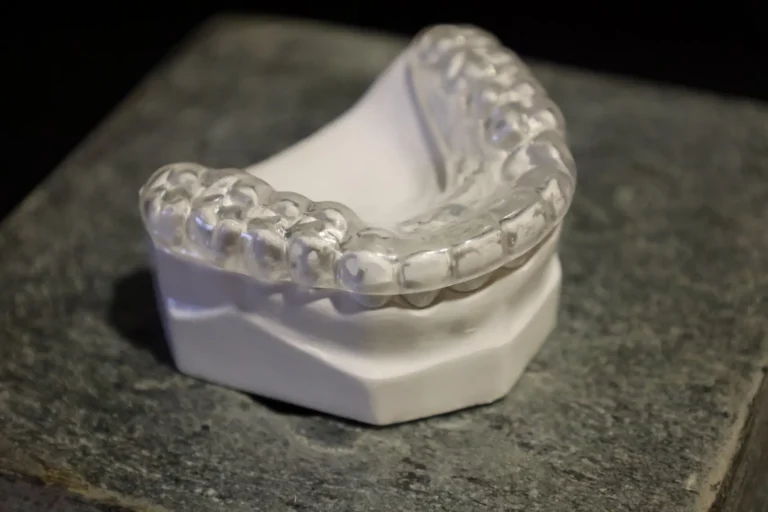
- If you grind or clench your teeth, ask about a custom night guard. Bruxism is one of the leading causes of premature bonding failure and accelerated wear.
- Schedule regular professional cleanings and check-ups. Your dentist can polish the bonded surface and catch early wear or chipping before it becomes a full replacement situation. These are available through our preventive dentistry program.
Finding Tooth Bonding Near Me: Why CDGH
When searching for tooth bonding near me in the Houston, TX area, the difference between providers is not just price. It is the quality of the composite material, the precision of the shade match, the hand skill of the dentist sculpting the restoration, and the judgment to know when bonding is the right answer and when another treatment would serve the patient better.
At The Comprehensive Dental Group of Houston, dental bonding is placed within a comprehensive cosmetic care framework. Every bonding case is assessed in the context of the patient’s full oral health, including gum condition, bite alignment, and any other factors that could affect how long the restoration performs. We do not place bonding on a tooth with untreated decay or a gum problem and call it a smile improvement. We address the underlying health first, then the cosmetic goal.
Our before-and-after gallery shows the results our team achieves for real Houston patients across a range of cosmetic procedures. You can view it on our results page. If you have already received bonding elsewhere that you are unhappy with, a re-evaluation at CDGH can determine whether it can be repaired, refined, or replaced with a more durable solution.
Beyond bonding, our cosmetic program includes porcelain veneers, gum contouring, professional teeth whitening, and complete smile makeover planning for patients with multiple concerns. Whatever your starting point, we build a plan that fits your clinical needs and your budget.
Ready to Fix Your Smile? Start Here.
Related Articles
- Dental Bonding in Houston, TX
- Porcelain Veneers in Houston, TX
- Teeth Whitening in Houston, TX
- Smile Makeover in Houston, TX
- Dental Crowns in Houston, TX
- Cosmetic Dentistry Services in Houston, TX
- Gum Contouring in Houston, TX
- Financing Options at CDGH
Frequently Asked Questions: Dental Bonding Cost
How much does dental bonding cost per tooth in 2026?
Most standard dental bonding cases cost between $100 and $600 per tooth in 2026. The national average, based on CareCredit pricing data, is approximately $431 per tooth. More complex cosmetic bonding, such as full-surface coverage or work on multiple front teeth as part of a smile makeover, can reach $600 to $1,000 per tooth. Factors that move your price include case complexity, the location and visibility of the tooth, the experience of the dentist, the materials used, and the geographic cost of living for the practice. In Houston, TX, expect $200 to $700 per tooth for a standard bonding case at a reputable cosmetic practice.
Is dental bonding worth it?
For the right concern on the right tooth, yes. A $400 bonding repair that lasts seven years costs approximately $57 per year, which is an excellent value for a visible cosmetic improvement with no permanent tooth alteration. The cases where bonding is most clearly worth it are isolated chips or minor chips, small gaps on otherwise healthy front teeth, and surface staining limited to one or two teeth. Where bonding becomes a less compelling value is when a patient treats four or more front teeth with composite instead of porcelain veneers, because the per-cycle replacement cost and more frequent touch-ups can exceed the veneer investment over 10 to 15 years. Your dentist can model both scenarios at your consultation so you are making a decision based on actual long-term numbers, not just upfront cost.
How long does dental bonding last?
Bonding materials typically last 3 to 10 years, per the Cleveland Clinic. The realistic midpoint for patients with good oral hygiene and no bruxism is 5 to 7 years before a touch-up or full replacement is needed. A rigorous review of 21 long-term clinical studies found that over 60% of resin composite restorations last more than 10 years when placed correctly with proper materials. Longevity depends heavily on the quality of the composite used, the skill of the dentist placing it, where on the tooth it sits, and the patient’s daily habits. Front teeth that see less chewing force but more visibility tend to last well when properly cared for.
Does dental insurance cover tooth bonding?
It depends on the clinical reason for the bonding. When the procedure addresses a restorative need, such as repairing a chipped or fractured tooth, protecting an exposed root, or filling a cavity with tooth-colored composite, many dental insurance plans will cover a portion of the cost. When bonding is performed purely for cosmetic reasons, such as closing a gap or changing the color of a healthy tooth, it is generally classified as elective and excluded from coverage. Before your appointment, confirm with your insurer whether your specific situation qualifies for any coverage, and bring your insurance information to your consultation at CDGH.
What is the difference between dental bonding and veneers?
Both procedures use tooth-colored materials to improve the appearance of teeth, but they differ significantly in cost, durability, process, and reversibility. Dental bonding uses composite resin applied directly to the tooth in a single visit, costs $100 to $1,000 per tooth, lasts 3 to 10 years, requires no enamel removal, and is reversible. Porcelain veneers are custom-fabricated ceramic shells bonded to the tooth surface, cost $925 to $2,500 per tooth, last 15 to 20+ years, require 0.3 to 0.5mm of enamel removal, and are permanent. Bonding is better for minor isolated corrections on healthy teeth; veneers are better for comprehensive, long-lasting smile transformations across multiple visible teeth. Our cosmetic team assesses each case individually and recommends what will actually produce the best outcome for your specific goals and budget.
Can dental bonding be repaired or just replaced?
One of bonding’s genuine advantages over porcelain restorations is its repairability. Minor chips, edge wear, or localized discoloration can often be addressed in a short appointment by adding fresh composite to the affected area and repolishing the surface. This costs a fraction of a full replacement and resets the clock on the restoration’s lifespan. Full replacement is typically needed when the bonding has separated from the tooth, when staining is too widespread to blend, or when the tooth’s underlying condition has changed. Scheduling regular dental visits makes it more likely that minor issues are caught and treated before they reach the full-replacement threshold.
What should I do before getting dental bonding?
If you are considering teeth whitening, do it before your bonding appointment, not after. Composite resin does not respond to whitening treatments, so any bleaching done after bonding is placed will cause the natural teeth to lighten while the bonded area stays the same shade, creating a mismatch. Your dentist selects the composite shade at the appointment, so having your final tooth color established beforehand ensures a seamless match. You should also have any active dental issues, such as cavities or gum disease, addressed before cosmetic bonding is placed, since composite applied over a compromised tooth will not perform as expected. Our general dentistry team can handle preparatory care so everything is ready for your cosmetic appointment.
How do I find tooth bonding near me in Houston?
When looking for tooth bonding near me in the Houston area, prioritize practices with documented cosmetic experience rather than the lowest advertised price. Dental bonding is a technique-sensitive procedure: the quality of the result depends on the dentist’s hand skill and artistic judgment as much as the material being used. Look for a practice that shows before-and-after photos of real bonding cases, not just stock images, and that gives you a clear explanation of what is being done and why before starting any work. The Comprehensive Dental Group of Houston offers complimentary consultations specifically so you can evaluate the practice, meet the team, and get a realistic assessment of your case before committing to treatment. Our practice serves patients throughout the Houston, TX metropolitan area, including the surrounding communities.
References
- CareCredit: How Much Does Teeth Bonding Cost? National average and price range data for dental bonding per tooth. https://www.carecredit.com/well-u/health-wellness/teeth-bonding/
- Cleveland Clinic: Dental Bonding. Procedure description, longevity range (3 to 10 years), and clinical indication guidance. https://my.clevelandclinic.org/health/treatments/10922-dental-bonding
- ScienceDirect / Journal of Dental Research: Longevity of Resin Composite Restorations. Review of 21 prospective and 9 retrospective studies; 60%+ 10-year survival when placed correctly. https://www.sciencedirect.com/science/article/pii/S1882761610000189
- PMC/NIH: Long-Term Survival and Complication Rates of Porcelain Laminate Veneers: A Systematic Review. 10-year cumulative survival rate of 95.5% for porcelain veneers bonded to enamel. https://pmc.ncbi.nlm.nih.gov/articles/PMC7961608/
- American Dental Association (ADA): Composite Resin Restorations clinical guidance and material standards. https://www.ada.org/
6. American Academy of Cosmetic Dentistry (AACD): State of the Cosmetic Dentistry Industry survey, patient spending data, and procedure volume statistics. https://aacd.com/

The Comprehensive Dental Group of Houston
The Comprehensive Dental Group of Houston is a premier Houston dental practice specializing in advanced dental implants, cosmetic dentistry, and comprehensive smile care. With a commitment to comfort, innovation, and exceptional patient outcomes, the team provides expert educational resources designed to help patients make confident, informed decisions about their oral health.