Yes, dental implants are safe for most people. They’re one of the most studied and trusted solutions for replacing missing teeth, with success rates that remain high when treatment is properly planned and performed. For many patients, implants restore comfort, function, and confidence without long-term complications.
That said, safety can depend on individual factors like overall health, bone quality, and daily habits. Let’s discuss what makes someone a good candidate, when extra care may be needed, and how dental implants can be placed safely and predictably.
Key Takeaways
- Dental implants are safe for most people and have a long track record of success.
- Overall health, bone quality, and gum health matter more than age alone.
- Even patients told they weren’t candidates elsewhere may still qualify with advanced planning.
- Risks are uncommon and can be minimized with modern imaging and experienced care.
- A personalized consultation is the best way to confirm if implants are right for you.
Not sure if you’re eligible for dental implants?
How Safe Are Dental Implants Overall?
Dental implants are widely considered one of the safest and most reliable ways to replace missing teeth, and understanding dental implant risks helps explain why complications remain uncommon. With decades of clinical use and ongoing research, implants consistently show success rates above 95% for healthy patients. Advances in technology, imaging, and surgical techniques have only made the procedure safer over time.
One reason implants are so trusted is how predictably they integrate with the jawbone. When placed correctly, they become a stable foundation that supports chewing, speaking, and everyday comfort. Complications are uncommon, and when they do occur, they’re often preventable with proper planning and follow-up care.
Who Is Usually a Good Candidate for Dental Implants?
Many people are surprised to learn that they may qualify for dental implants, even if they’ve been told otherwise in the past, including those exploring same-day dental implants. In most cases, good candidates have healthy gums, enough jawbone to support an implant, and are committed to caring for their oral health.
Even if you’ve been told at another practice that you’re not a good candidate, that doesn’t always mean implants are off the table. At The Comprehensive Dental Group of Houston, we take a deeper look. Advanced imaging, bone-building techniques, and personalized treatment planning often make implants possible for patients who were previously turned away.
Factors like smoking, medical conditions, or past bone loss don’t automatically disqualify you. With the right approach and guidance, you can still move forward safely and successfully with dental implants.
Factors That Can Affect Dental Implant Safety
Every smile is different, and so is every treatment plan. While dental implants are safe for most people, here are key factors that can influence how the process is planned and how smoothly healing goes, especially for patients wondering who is eligible for same-day dental implants.
Bone Density and Jaw Health
Strong, healthy bone helps keep an implant stable. If bone loss has occurred, treatments like bone grafting can often rebuild support and make implants possible.
Gum Health
Healthy gums are essential for implant success. Active gum disease needs to be treated first so the implant has a clean, stable environment to heal.
Medical Conditions
Conditions like diabetes or autoimmune disorders don’t automatically prevent implants, but they do require careful management. When overall health is well controlled, implants can still be placed safely.
Smoking and Tobacco Use
Smoking can slow healing and increase the risk of complications, which is why understanding how smoking affects your oral health is important before implant treatment. Patients who quit or reduce tobacco use before treatment often see better outcomes.
Medications
Some medications can affect bone healing or increase surgical risks. A thorough medical review helps ensure implants are planned safely in light of these factors.
Are Dental Implants Safe for Older Adults?
Age alone does not determine whether dental implants are safe. In fact, many older adults successfully receive implants and enjoy long-lasting results. What matters most is overall health, bone quality, and the ability to heal, not the number of candles on a birthday cake.
For seniors, dental implants can greatly improve comfort, nutrition, and quality of life by restoring strong chewing function and a secure smile, including options like denture implants. With proper planning and medical review, implants are often just as safe for older patients as they are for younger ones.
Potential Risks and Complications
Like any medical procedure, dental implants come with some risks, but serious complications are uncommon. Most issues are minor and can be avoided with proper planning and care.
Possible concerns include infection at the implant site, delayed healing, or the implant not bonding fully with the bone. In rare cases, nearby nerves or sinuses may be affected, depending on where the implant is placed.
The good news is that these risks are greatly reduced when implants are carefully planned and placed by an experienced team. Advanced imaging, precise placement, and close follow-up care all play a major role in keeping dental implant treatment safe and predictable.
Contact Us For a Safe, Proven Way to Restore Your Smile!
Dental implants are safe for most people and remain one of the most reliable ways to replace missing teeth. With proper planning, modern technology, and experienced care, implants can restore comfort, function, and confidence for years to come.
If you’ve been unsure whether implants are right for you, a personalized evaluation can make all the difference. At The Comprehensive Dental Group of Houston, we take the time to understand your health, answer your questions, and create a plan that puts your safety first.
Schedule your consultation with us now to get started!
Frequently Asked Questions
What are the risks of dental implants?
Dental implants are very safe, but like any procedure, there are some risks. These can include infection, delayed healing, or the implant not bonding properly with the bone. Serious complications are rare and are greatly reduced with proper planning and follow-up care.
Are dental implants a good idea?
For many patients, yes. Dental implants are one of the most reliable ways to replace missing teeth because they look natural, feel secure, and support long-term oral health. A consultation helps determine if they’re the right choice for you.
Why would a dentist not recommend an implant?
A dentist may recommend delaying or avoiding implants if there isn’t enough bone, gum disease is present, or a medical condition needs better control. In many cases, these issues can be treated first, so implants become an option later.
Can you live a long life with dental implants?
Yes. With good oral hygiene and regular dental visits, implants can last decades and often for life. Many patients enjoy long-term comfort, strong chewing ability, and confidence with their implants.
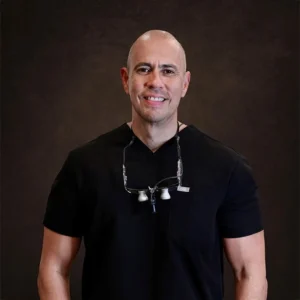
Dr. Omar Vera brings over 20 years of international experience in oral and maxillofacial surgery, with a strong focus on full mouth reconstruction and complex implant cases. Personally selected by founder Dr. Raouf Hanna, Dr. Vera continues the practice’s legacy of excellence at The Comprehensive Dental Group of Houston. His expertise includes full-arch implant treatments, zygomatic and transnasal implants for severe bone loss, and advanced reconstruction of atrophic jaws.
Known for treating cases previously considered “no option,” Dr. Vera is dedicated to restoring comfort, function, and confidence through state-of-the-art implant techniques. His patient-centered, precise approach ensures the high standard of care CDGH is known for.