Dental implants are built to last. When placed correctly and well cared for, they look, feel, and function just like natural teeth for many years. Most people forget they even have one.
Still, life happens. A small accident, teeth grinding, or even a minor screw shift can make an implant feel loose over time. It’s not something to panic about, but it does need quick attention.
At The Comprehensive Dental Group of Houston, our implant specialists use advanced imaging and gentle diagnostic methods to find out what’s causing the movement. Whether your implant needs a simple adjustment or a full restoration, we’ll make sure it’s stable, comfortable, and as strong as ever.
Key Takeaways
- A dental implant should never feel loose. Any movement means something needs attention.
- Common causes include a loose crown, abutment screw, bone loss, or infection.
- Avoid touching or chewing on the implant until a dentist evaluates it.
- Early treatment often prevents implant failure and saves you from costly repairs.
- The Comprehensive Dental Group of Houston offers expert implant diagnostics and same-day care to restore comfort and stability.
Is It Normal for a Dental Implant to Feel Loose?
No, a dental implant should never feel loose. Once it fuses with the jawbone, it becomes part of your mouth’s structure, just like a real tooth root. If you start to feel any movement, clicking, or shifting, something isn’t as it should be.
Sometimes, what feels like a loose implant isn’t the implant itself. It might be the crown or the small connecting screw underneath. In other cases, tissue inflammation or bone loss around the implant could be weakening its support. Either way, it’s not something that will fix itself.
The safest move is to schedule an exam right away. When you come to us, we’ll identify exactly where the movement is coming from and restore your implant’s stability before it worsens.
Common Reasons Why a Dental Implant Feels Loose
Here are the most common reasons your implant might feel loose:
- Loose Abutment Screw: The abutment is the small connector that attaches your implant to the crown. If it loosens, the crown can move even though the implant remains secure.
- Crown Detachment: Sometimes the implant is perfectly fine, but the crown becomes uncemented or damaged. This can cause movement or clicking when you chew.
- Bone Loss or Gum Recession: When bone or gum tissue around the implant weakens, the foundation that supports it begins to shift.
- Infection (Peri-Implantitis): Inflammation around the implant can damage surrounding tissue, reducing stability and comfort.
- Implant Failure: Rarely, the implant may not fully bond with the jawbone after placement. This is known as failed osseointegration and requires prompt care.
No matter the cause, movement is a warning sign. The sooner your specialist evaluates it, the easier it is to restore full stability and prevent future complications.
What to Do If Your Dental Implant Feels Loose
If your dental implant starts to move, resist the urge to touch or test it. Here’s what you should do instead:
- Avoid touching or wiggling the implant. Even gentle movement can strain the surrounding bone or tissue.
- Don’t chew on that side of your mouth. Stick to soft foods until you’ve seen your dental specialist.
- Rinse with warm salt water to ease irritation or swelling, but skip mouthwashes with alcohol.
- Call your specialist immediately. The earlier you’re seen, the better your chances of keeping the implant intact.
At The Comprehensive Dental Group of Houston, we’ll examine your implant using digital imaging and gentle testing to pinpoint the cause. In many cases, a quick tightening or crown replacement can restore stability without the need for a full replacement.
How Dental Specialists Fix a Loose Dental Implant
Treatment depends on what’s causing the movement.
Here’s what might happen during your visit:
- Tightening the Abutment Screw: If the connecting screw has loosened, it can usually be retightened or replaced during the same appointment.
- Repairing or Recementing the Crown: If only the crown is loose, your specialist can clean it, inspect it, and recement it securely.
- Treating Infection or Inflammation: If gum or bone infection is the cause, we’ll clean the area, prescribe medication, and restore healthy tissue support.
- Addressing Bone Loss: Severe cases may need a bone graft to rebuild strength before reattaching the implant.
- Replacing the Implant: If the implant has failed, we’ll remove it, allow the site to heal, and replace it with a new one once the foundation is ready.
Each solution starts with a careful evaluation. We use digital imaging and advanced tools to restore comfort and function while protecting the surrounding teeth and gums.
How to Prevent Future Implant Loosening
Once your implant is secure again, keeping it that way comes down to consistent care and smart habits.
Here’s how to maintain long-term stability:
- Keep your mouth clean. Brush twice daily and floss carefully around the implant with implant-safe floss.
- Schedule regular checkups. Professional cleanings and exams help detect early signs of wear, infection, or bite imbalance.
- Avoid hard or sticky foods. Chewing ice, hard candy, or very tough meat can strain the implant and its components.
- Address teeth grinding. If you grind your teeth at night, a custom mouthguard can prevent pressure that loosens the implant over time.
- Maintain overall oral health. Healthy gums and bone are key to keeping implants stable for decades.
With the right care, dental implants can last you long-term.
Call The Comprehensive Dental Group of Houston Before It Gets Worse
Even the smallest movement in a dental implant deserves attention. Waiting too long can turn a simple fix into a more complex treatment. If your implant feels loose, painful, or just “off,” it’s time to have it checked by a professional.
At The Comprehensive Dental Group of Houston, our implant specialists use advanced diagnostic tools to pinpoint the cause and restore full stability, often in a single visit. Whether it’s a loose crown, a shifted screw, or early bone loss, we’ll make sure your implant feels secure again.
Schedule an appointment today to have your dental implant evaluated and protected by one of Houston’s leading implant teams.
Frequently Asked Questions
Can a loose dental implant tighten back on its own?
No, a loose implant or crown won’t tighten on its own. Movement usually means a screw, crown, or surrounding tissue has shifted. Leaving it untreated can cause further damage, so it’s best to have your dentist check it right away.
Is it painful when a dental implant becomes loose?
Some people feel pain or pressure, while others only notice slight movement when chewing. Even if it’s not painful, a loose implant still needs attention to prevent infection or implant failure.
How do dentists know if my implant is still healthy?
Your dentist will use X-rays or digital imaging to see if the implant is still fused to your bone. They’ll also check the abutment and crown for any looseness or wear before deciding on treatment.
What happens if I ignore a loose dental implant?
Ignoring a loose implant can lead to gum infection, bone loss, and eventual implant failure. Early care is faster, less invasive, and much more affordable than replacing the entire implant later.
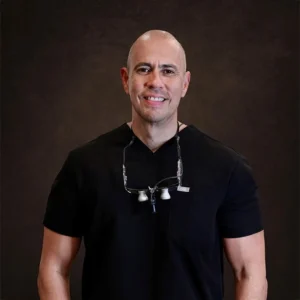
Dr. Omar Vera brings over 20 years of international experience in oral and maxillofacial surgery, with a strong focus on full mouth reconstruction and complex implant cases. Personally selected by founder Dr. Raouf Hanna, Dr. Vera continues the practice’s legacy of excellence at The Comprehensive Dental Group of Houston. His expertise includes full-arch implant treatments, zygomatic and transnasal implants for severe bone loss, and advanced reconstruction of atrophic jaws.
Known for treating cases previously considered “no option,” Dr. Vera is dedicated to restoring comfort, function, and confidence through state-of-the-art implant techniques. His patient-centered, precise approach ensures the high standard of care CDGH is known for.