Yes, you can often get dental implants even if you have bone loss. While bone loss can make treatment more complex, it does not automatically mean implants are off the table. With today’s techniques and planning options, many patients with reduced bone still qualify for safe and successful implant treatment.
Let’s discuss how bone loss affects implant placement, what options are available, and how a personalized evaluation can determine whether implants are still possible for you.
Key Takeaways
- Bone loss does not automatically disqualify you from getting dental implants.
- Many patients with reduced bone still qualify through options like bone grafting, sinus lifts, or specialized implants.
- Advanced imaging and treatment planning allow dentists to evaluate bone health accurately and place implants safely.
- Even patients previously told they were not candidates may have new implant options available today.
- A personalized evaluation is the only way to determine the safest and most effective implant solution for your situation.
Been told you don’t have enough bone?
What Is Bone Loss in the Jaw?
Jawbone loss happens when the bone no longer receives stimulation from a tooth root. Natural teeth help keep the jawbone active through everyday chewing. When a tooth is lost, that stimulation stops, and the body gradually begins to break down unused bone.
Over time, this can lead to changes in bite, facial shape, and overall oral health. Bone loss can also make it harder to replace missing teeth if too much bone has been lost in certain areas. Gum disease, long-term tooth loss, and ill-fitting dentures can all speed up this process.
Can You Get Dental Implants With Bone Loss?
Yes, in many cases, dental implants are still possible even when bone loss is present. The key is evaluating how much bone remains and where the loss has occurred. Mild to moderate bone loss often does not prevent implant placement at all.
When bone loss is more advanced, dental implant specialists can use additional techniques to create a stable foundation for implants, including options such as implant-supported restorations. Options such as bone grafting, specialized implant designs, or implant-supported restorations can make treatment successful.
A professional evaluation is essential. What matters most is not assuming implants aren’t possible, but understanding which approach will work best for your specific situation.
Treatment Options for Patients With Bone Loss
Bone loss does not automatically rule out dental implants. Here are the treatment options available:
Bone grafting is one of the most common approaches. This treatment rebuilds lost bone and creates a solid foundation for future implants. After the graft heals, implants can often be placed safely and predictably.
Sinus lift procedures are used when bone loss affects the upper back jaw near the sinuses. By adding bone in this area, specialists can increase bone height and create space for standard implants.
Short or narrow implants may be recommended when bone height or width is limited. These implants are designed to fit areas with less available bone and can sometimes eliminate the need for more extensive grafting.
Implant-supported dentures are another option for patients with widespread bone loss. Instead of placing an implant for every missing tooth, a smaller number of implants are used to support a full arch of teeth.
Zygomatic implants are used in cases of severe upper jaw bone loss. Rather than anchoring in the jawbone, these longer implants are secured in the cheekbone, which is naturally dense and strong. This approach can allow some patients to receive implants without bone grafting when other options are not possible.
A thorough evaluation helps determine which option offers the safest and most predictable outcome for each patient.
Does Bone Loss Affect Implant Success?
Bone loss can affect implant success if it isn’t properly addressed, but it doesn’t mean implants are likely to fail. When bone levels are evaluated carefully and the right treatment approach is used, success rates remain high. Restoring or working around bone loss allows the implant to stay stable and supported over time.
Modern techniques such as bone grafting, specialized implant designs, and advanced placement methods help create a strong foundation even in challenging cases. Healing time and follow-up care also play an important role in long-term success, especially for patients with more advanced bone loss.
With proper planning and experienced care, many patients with bone loss go on to enjoy reliable, long-lasting dental implants.
Bone Loss Doesn’t Mean You’re Out of Options
Bone loss can make dental implant treatment more complex, but it rarely means treatment isn’t possible. With modern techniques, advanced planning, and the right approach, many patients with bone loss successfully receive implants that restore comfort, function, and confidence.
If you’ve been told implants aren’t an option, a second opinion can make all the difference. At The Comprehensive Dental Group of Houston, we take the time to evaluate your bone health and explore every solution available.
Schedule a consultation now and find out what’s possible for your smile.
Frequently Asked Questions
What happens if you don’t have enough bone for dental implants?
If there isn’t enough bone, implants may not be placed right away. However, treatments like bone grafting, sinus lifts, or specialized implants can often rebuild or work around bone loss and make implants possible.
What is the best treatment for bone loss in teeth?
Treatment depends on the cause and severity of bone loss. Bone grafting is commonly used to restore lost bone, while managing gum disease and replacing missing teeth can help prevent further bone loss.
What if your bone is too thin for implants?
When bone is too thin, options such as narrow implants, bone grafting, or alternative implant techniques may be recommended. A detailed evaluation helps determine the safest approach.
Who is not a good candidate for dental implants?
There isn’t a single definition of a “non-candidate.” Every patient is different, and nearly everyone has some option for tooth replacement. In some cases, medical conditions, gum health, or bone levels may affect which type of implant approach is safest. At The Comprehensive Dental Group of Houston, we evaluate your health and anatomy to find the implant solution that works best for you, even if it requires additional steps or alternative techniques.
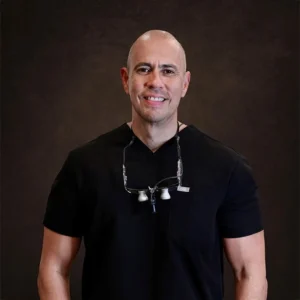
Dr. Omar Vera brings over 20 years of international experience in oral and maxillofacial surgery, with a strong focus on full mouth reconstruction and complex implant cases. Personally selected by founder Dr. Raouf Hanna, Dr. Vera continues the practice’s legacy of excellence at The Comprehensive Dental Group of Houston. His expertise includes full-arch implant treatments, zygomatic and transnasal implants for severe bone loss, and advanced reconstruction of atrophic jaws.
Known for treating cases previously considered “no option,” Dr. Vera is dedicated to restoring comfort, function, and confidence through state-of-the-art implant techniques. His patient-centered, precise approach ensures the high standard of care CDGH is known for.