According to the CDC, about 26% of adults aged 65 and older in the U.S. have eight or fewer teeth left. Tooth loss is common, but the decision on how to replace those teeth isn’t always simple. Many people weigh two popular solutions: permanent dentures and dental implants.
Each option has its advantages, from affordability to long-term stability. Let’s walk you through how they compare so you can better understand which one might fit your health, comfort, and lifestyle. At The Comprehensive Dental Group of Houston, we see patients every day making this choice, and we’re here to guide you with clarity.
Key Takeaways
- Permanent dentures and dental implants both replace missing teeth, but they work differently.
- Dentures cost less upfront but may feel less stable and need replacement over time.
- Dental implants last longer, support jawbone health, and look and feel more like natural teeth.
- The right choice depends on oral health, lifestyle, and budget.
- The Comprehensive Dental Group of Houston offers both options and can guide you to the best fit for your smile.
Dentures or Implants? Let’s Find Out Together
What Are Permanent Dentures?
We’ve noticed that some patients are confused by the terms “permanent dentures” and “dental implants.” Permanent dentures usually refer to a full set of replacement teeth, but they can be supported in different ways. Some sit directly on the gums (like traditional dentures), while others are stabilized with dental implants.
Here are different types of dentures:
Partial Dentures
Partial dentures are used when some natural teeth remain. They fill in the gaps with replacement teeth attached to a base that blends with your gums. Metal clasps or precision attachments connect them to your existing teeth for support.
Removable Dentures
These are the traditional dentures most people think of. They can be removed daily for cleaning and for rest on the gums, with or without adhesive. Removable dentures are a quick solution but often lack the stability of implant-supported options.
Implant-Supported Dentures
Implant-supported dentures attach to dental implants placed in the jawbone. They provide more stability, prevent slipping, and help preserve bone structure. These can be designed as fixed dentures that stay in place or snap-in removable dentures.
What Are Dental Implants?
Dental implants are replacement roots placed directly into the jawbone to support crowns, bridges, or full-arch dentures. They create a solid base that allows new teeth to look, feel, and function naturally.
Patients today don’t always have to wait months for their new smile. With advanced techniques, the implant post and abutment can often be placed on the same day. This means you can walk out with a complete, permanent smile in just one visit.
Here are the most common types of dental implants:
Single Tooth Implants
Used when only one tooth is missing. A single implant is placed in the jaw, and a crown is attached to restore appearance and function.
Multiple Dental Implants
Multiple dental implants are used when several teeth are missing in different areas of the mouth. Each gap is restored with its own implant and crown, giving strong, natural-looking replacements without affecting healthy neighboring teeth.
Implant-Supported Bridges
Best for replacing several missing teeth in a row. Instead of placing an implant for each tooth, a few implants support a custom bridge.
Full-Arch Implants
Also known as All-on-4 or All-on-6, these procedures utilize four to six implants to secure an entire arch of teeth in place. They’re a stable, long-term alternative to traditional dentures.
Mini Dental Implants
Thinner than standard implants, mini implants are sometimes used when the jawbone lacks sufficient density for regular implants. They can also be a cost-effective solution for stabilizing dentures.
Key Differences Between Permanent Dentures and Dental Implants
Both options restore missing teeth, but they’re not the same in how they look, feel, or last. Here’s a side-by-side breakdown:
| Feature | Permanent dentures | Dental implants |
| Longevity | Last 5–10 years on average before needing replacement or relining | Can last up to a lifetime with proper care |
| Comfort | May feel bulky or shift slightly while eating or speaking | Feel natural and remain stable, like real teeth |
| Jawbone Health | Do not stop bone loss in the jaw | Preserve bone density by stimulating the jaw |
| Appearance | Improve smile, but it may look less natural over time | Blend seamlessly with natural teeth |
| Maintenance | Require special cleaning, occasional realigning, or replacement | Cleaned like natural teeth |
| Cost | Lower upfront cost, but may add up with replacements | Higher initial cost but long-term investment |
Both choices have value. The right one depends on your oral health, budget, and lifestyle.
Which Option Is Right for You?
Choosing between permanent dentures and dental implants depends on several factors.
- Oral health: Healthy gums and strong bone density usually make implants the stronger choice. If bone loss is advanced, dentures or bone grafting may be recommended.
- Budget: Permanent dentures cost less upfront. Implants involve a bigger investment but often save money long term since they don’t need frequent replacement.
- Lifestyle: If you want the closest match to natural teeth in function and feel, implants are hard to beat. If you prefer a quicker, non-surgical solution, dentures may be the way to go.
The best way to decide is through a consultation. A dental specialist can evaluate your mouth, review your options, and recommend the treatment that matches your health, comfort, and goals.
Let’s Help You Find the Smile Solution That Fits You
Both permanent dentures and dental implants can restore your smile, but the experience of living with them is very different. Dentures can be a quicker, lower-cost option, while implants offer long-term strength, stability, and bone support.
The best choice depends on your health, lifestyle, and budget. At The Comprehensive Dental Group of Houston, we’re here to guide you through the decision and recommend the treatment that works best for you. Contact us now for a confident, lasting smile.
Frequently Asked Questions
How long do permanent dentures last?
Permanent dentures typically last 5 to 10 years before needing adjustments or replacement. The base material can wear down over time, and changes in the jawbone may affect the fit. Regular checkups help extend their lifespan.
Are dental implants painful?
Most patients report only mild discomfort during recovery. The procedure is done with local anesthesia or sedation, so you won’t feel pain while it’s happening. Any soreness afterwards is usually manageable with over-the-counter medication.
Can permanent dentures be removed?
Fixed hybrid dentures are secured to implants and can only be removed by a dentist. Snap-in dentures, on the other hand, can be taken out at home for daily cleaning. Your dentist will recommend the best option for your needs.
Which option is more affordable in the long run?
Dentures initially cost less, but they often require relining or replacement. Implants require a higher initial investment but can last decades, making them more cost-effective over time.
How do I know if I qualify for dental implants?
A dental specialist will examine your gums, bone health, and overall medical history. Most patients are candidates, but if bone loss has occurred, grafting may be needed before implants are placed. A consultation is the best way to find out.
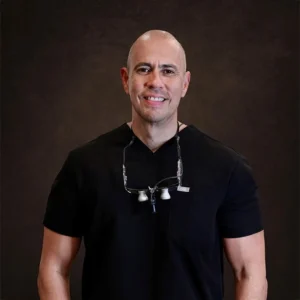
Dr. Omar Vera brings over 20 years of international experience in oral and maxillofacial surgery, with a strong focus on full mouth reconstruction and complex implant cases. Personally selected by founder Dr. Raouf Hanna, Dr. Vera continues the practice’s legacy of excellence at The Comprehensive Dental Group of Houston. His expertise includes full-arch implant treatments, zygomatic and transnasal implants for severe bone loss, and advanced reconstruction of atrophic jaws.
Known for treating cases previously considered “no option,” Dr. Vera is dedicated to restoring comfort, function, and confidence through state-of-the-art implant techniques. His patient-centered, precise approach ensures the high standard of care CDGH is known for.