After dental implant surgery, soft foods like mashed potatoes, yogurt, smoothies, oatmeal, and scrambled eggs are your best friends. They’re gentle on your gums and give your body the nutrients it needs to heal.
One of the biggest rewards of getting dental implants is being able to enjoy your favorite meals again without pain or worry. But during recovery, your diet plays a key role in how well the implant integrates with your jawbone. Choosing the right foods helps reduce swelling, prevents infection, and supports faster healing.
At The Comprehensive Dental Group of Houston, we help patients recover comfortably with personalized post-surgery care and simple food guidelines that make eating easy again.
Key Takeaways
- Stick to soft, cool foods like yogurt, mashed potatoes, and smoothies for the first few days after surgery.
- Avoid hard, sticky, or hot foods that can irritate the surgical area or loosen the implant.
- Gradually reintroduce firmer foods after about a week, based on your dentist’s guidance.
- Protein, vitamins A and C, and minerals such as zinc help speed tissue repair and bone healing.
- The Comprehensive Dental Group of Houston offers personalized recovery plans to ensure your implant heals properly and comfortably.
Had dental implant surgery recently?
Why Your Diet Matters After Dental Implant Surgery
What you eat in the days following dental implant surgery directly affects how well your mouth heals. Soft, nutrient-rich foods provide your body with the building blocks it needs to repair tissue, strengthen bone, and reduce inflammation, all of which are critical for successful osseointegration (the process by which the implant fuses with your jaw).
A published review found that dietary components such as key vitamins and minerals “have the potential to accelerate oral wound healing after periodontal and dental-implant surgery.”
On the flip side, eating hard, sticky or very hot foods too soon can irritate the surgical site or dislodge the implant while it’s still stabilising. That’s why a thoughtful diet isn’t just “nice to have” after implant surgery. It’s part of the strategy that helps your implant succeed and last for years.
What to Eat in the First 24 Hours
For the first day after dental implant surgery, your mouth will be sensitive. Stick to cool, soft foods that don’t require chewing or create pressure around the implant site. This helps reduce swelling, bleeding, and irritation while your gums begin to heal.
Here are safe options for the first 24 hours:
- Smoothies made with banana, yogurt, or protein powder
- Applesauce or mashed avocado
- Cool soup or broth (not hot)
- Plain yogurt or pudding
- Blended oatmeal or cream of wheat
Avoid anything hot, spicy, crunchy, or acidic during this stage. Heat can increase swelling, and crunchy foods can disturb the implant area. Keep your portions small and sip water regularly to stay hydrated without using a straw.
Best Soft Foods for the First Week
As the tenderness starts to fade, you can slowly expand your menu while still keeping foods soft and easy to chew. Your mouth is still healing, so focus on meals that require minimal pressure but still provide enough protein and nutrients for recovery.
Here are some good options:
Breakfast
- Scrambled eggs
- Oatmeal or cream of wheat
- Mashed bananas or soft fruit smoothies
Lunch and Dinner
- Mashed potatoes or steamed vegetables
- Soft fish like salmon or tilapia
- Pasta or noodles cooked until tender
- Soft rice or quinoa
Snacks
- Cottage cheese or yogurt
- Protein shakes
- Smooth peanut butter on soft bread
What to Avoid After Dental Implant Surgery
Stay away from the following:
- Hard or crunchy foods: nuts, chips, raw vegetables, crusty bread
- Sticky foods: caramel, chewing gum, dried fruits
- Hot or spicy meals, as they can irritate the healing tissue
- Alcohol and carbonated drinks: slow recovery and increased dryness in the mouth
- Straws: the suction can disturb the blood clot and delay healing
When to Start Eating Normally Again
Most patients can begin adding firmer foods back to their diet about a week after surgery, depending on how quickly their mouth heals. Everyone recovers at a slightly different pace, so listen to your body and follow your dentist’s advice.
Start slowly with foods that require minimal chewing, like soft pasta or baked fish. Gradually reintroduce meats, grains, and raw vegetables as chewing becomes comfortable. Avoid biting directly on the implant site until your dentist confirms that it has fully stabilized.
If you notice pain, swelling, or bleeding while eating, return to soft foods and contact your dental specialist.
Nutrition Tips to Support Healing
Your body needs specific nutrients to rebuild tissue, reduce inflammation, and strengthen bone around the implant.
Here’s how to make your meals work for your recovery:
- Focus on protein. Eggs, fish, Greek yogurt, and protein shakes help repair cells and support bone healing.
- Add vitamin-rich foods. Soft fruits like bananas and avocados provide vitamins A and C, which help your gums and tissue heal faster.
- Stay hydrated. Drink plenty of water to keep your mouth clean and prevent dryness that slows recovery.
- Include zinc and iron. These minerals help your immune system fight off infection and maintain strong tissue around the implant.
- Eat smaller meals often. This keeps your energy steady without straining your mouth.
Eat Comfortably. Heal Confidently with The Comprehensive Dental Group of Houston
Recovering from dental implant surgery is easier when you know what to eat and when to take it slow. The right meals protect your implant site, ease discomfort, and help your body heal faster.
At The Comprehensive Dental Group of Houston, our team provides step-by-step recovery guidance and follow-up care to make sure your implant heals correctly. If you’re unsure about what foods to eat or when to resume your regular diet, we’re here to help.
Schedule your follow-up visit today and let our team support your recovery every step of the way. A strong, lasting smile starts with smart healing habits.
Frequently Asked Questions
What are the do’s and don’ts after dental implant surgery?
Do stick to soft foods, stay hydrated, and follow your dentist’s cleaning instructions. Don’t eat hard, sticky, or spicy foods, and avoid using a straw or smoking during the first week. These small steps protect the implant site and help it heal faster.
What should I avoid drinking after dental implant surgery?
Skip alcohol, soda, and very hot beverages for at least a few days. They can irritate the healing tissue, delay recovery, or interfere with blood clot formation. Cool water and milk-based drinks are safer options.
When can I brush my teeth after dental implant surgery?
You can usually start brushing the day after surgery, but do it gently and avoid direct contact with the implant site. Use a soft-bristled toothbrush and rinse with salt water instead of mouthwash containing alcohol.
How long does it take to heal after dental implant surgery?
Initial healing takes about one to two weeks, but full bone integration can take several months. During this time, following your dentist’s diet and hygiene instructions helps ensure your implant becomes fully secure and long-lasting.
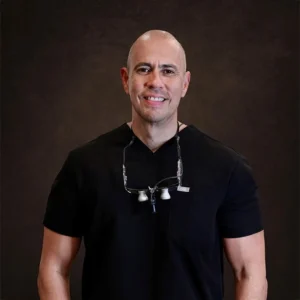
Dr. Omar Vera brings over 20 years of international experience in oral and maxillofacial surgery, with a strong focus on full mouth reconstruction and complex implant cases. Personally selected by founder Dr. Raouf Hanna, Dr. Vera continues the practice’s legacy of excellence at The Comprehensive Dental Group of Houston. His expertise includes full-arch implant treatments, zygomatic and transnasal implants for severe bone loss, and advanced reconstruction of atrophic jaws.
Known for treating cases previously considered “no option,” Dr. Vera is dedicated to restoring comfort, function, and confidence through state-of-the-art implant techniques. His patient-centered, precise approach ensures the high standard of care CDGH is known for.