If you’re missing more than one tooth, dental implants can replace multiple teeth in a strong, natural-looking way. You do not always need one implant for every missing tooth. Modern implant dentistry makes it possible to restore several teeth using fewer implants, depending on where the teeth are missing and how much support is needed.
Let’s discuss how dental implants work for multiple teeth, the options available, and what you can expect when replacing more than one missing tooth.
Key Takeaways
- Dental implants can replace multiple missing teeth with a strong, natural-looking result.
- You do not need one implant for every missing tooth. Fewer implants can support several teeth.
- Options include implant-supported bridges, individual implants, and full-arch solutions such as All-on-4, All-on-6, and All-on-8.
- Same-day treatment is available for many patients, allowing immediate function and faster results.
Missing More Than One Tooth?
Can Dental Implants Replace Multiple Missing Teeth?
Yes, dental implants can replace multiple missing teeth safely and effectively. Advances in implant technology now allow several teeth to be restored using a carefully planned implant approach, rather than placing one implant for every missing tooth.
Depending on your situation, implants can support a fixed bridge, a group of individual crowns, or even a full arch of teeth. The exact method depends on how many teeth are missing, where they are located, and the health of your jawbone and gums.
Dental implants for multiple teeth are designed to feel stable and natural. They restore chewing strength, improve appearance, and help prevent the bone loss that often follows tooth loss. With proper planning, replacing multiple teeth with implants can be both efficient and long-lasting.
Options for Multiple Teeth Implants
Here are several effective ways dental implants can replace multiple missing teeth:
Implant-supported bridge
When several teeth in a row are missing, a few implants can support a fixed bridge. This option replaces multiple teeth without placing an implant for each one and provides strong, natural-looking results.
Individual implants for multiple teeth
If missing teeth are spread out, individual implants may be placed for each tooth. Each implant supports its own crown, which helps preserve bone in multiple areas and maintain a balanced bite.
Full arch implants
For patients missing most or all teeth in an arch, full arch implant solutions can restore an entire row of teeth using fewer implants. Options include All-on-4, All-on-6, and All-on-8 treatments. These approaches use four, six, or eight implants to support a full set of teeth, offering excellent stability, comfort, and long-term function.
How Many Implants Are Needed for Multiple Teeth?
The number of implants needed depends on how many teeth are missing and where they are located. You usually do not need one implant for every missing tooth. Modern implant planning enables fewer implants to support multiple teeth, providing a secure, long-lasting solution.
For example, a row of missing teeth can be supported by two or three implants that hold a fixed bridge. When an entire arch is missing, treatments such as All-on-4, All-on-6, or All-on-8 use a small number of implants to support a full set of teeth.
We will evaluate your bone strength, bite, and overall oral health before recommending the right number of implants. The goal is always to provide the strongest support with the least amount of surgery while delivering natural-looking results.
Benefits of Dental Implants for Multiple Teeth
Dental implants offer clear advantages when replacing multiple missing teeth. They are designed to feel stable, look natural, and support your long-term oral health.
Implants restore strong chewing function, which makes eating more comfortable and enjoyable. Unlike removable options, they stay firmly in place and do not shift when you speak or chew.
Another key benefit is bone preservation. Dental implants stimulate the jawbone and help prevent the bone loss that often follows tooth loss. This support helps maintain facial structure and protects nearby teeth from shifting.
Dental implants for multiple teeth also offer long-term reliability. With proper care, they can last for many years and often deliver better value over time than temporary or removable solutions.
Recovery and Healing Expectations
Recovery after multiple tooth implants is usually straightforward, especially with modern techniques. Most patients experience mild swelling or soreness for a few days, which improves quickly with proper aftercare and rest.
If you receive same-day implants, you leave with functional teeth right away. While the visible part of your smile is complete, the implants continue to bond with the jawbone over the next few months. During this time, your specialist may recommend foods to avoid after dental implants and simple care steps to protect the healing process.
Are You a Candidate for Multiple Teeth Implants?
Many people are eligible for dental implants to replace multiple missing teeth, even if they were previously told their options were limited. Bone loss, long-term tooth loss, or prior dental issues do not automatically preclude implant treatment.
Modern techniques such as bone grafting, zygomatic implants, and advanced full arch solutions allow more patients to become candidates than ever before. A detailed evaluation looks at bone strength, gum health, bite alignment, and overall oral condition to determine the best approach.
If you are missing several teeth and want a stable, long-lasting solution, an implant consultation can help clarify your options. With the right planning, multiple tooth implants can restore comfort, function, and confidence at almost any stage.
Replace Multiple Teeth with Confidence!
Deciding to fix several missing teeth is a major decision, and the team you choose makes a difference. The Comprehensive Dental Group of Houston focuses on careful planning, advanced imaging, and precise implant placement to support long-term comfort and stability.
Missing a few teeth or an entire arch calls for a personalized approach. Modern implant techniques allow multiple teeth to be restored with fewer implants, resulting in natural-looking, comfortable function in everyday life.
If you’re ready to explore dental implants for multiple missing teeth, schedule a consultation with us and take the next step toward a stronger, more confident smile.
Frequently Asked Questions
How many teeth can you implant at once?
Multiple teeth can be replaced in a single procedure. Modern implant dentistry allows several teeth, or even a full arch, to be restored simultaneously when bone strength and stability permit.
Is it safe to have multiple dental implants?
Yes. Multiple dental implants are considered safe when planned properly. Advanced imaging, careful placement, and proven techniques help ensure predictable healing and long-term success.
Can you put 4 teeth on 2 implants?
Yes, in many cases, four teeth can be supported by two implants using an implant-supported bridge. This approach reduces the number of implants needed while still providing strong, stable support.
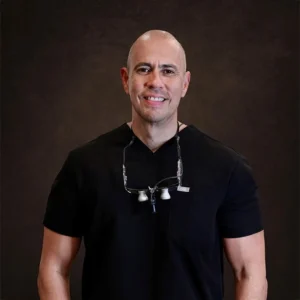
Dr. Omar Vera brings over 20 years of international experience in oral and maxillofacial surgery, with a strong focus on full mouth reconstruction and complex implant cases. Personally selected by founder Dr. Raouf Hanna, Dr. Vera continues the practice’s legacy of excellence at The Comprehensive Dental Group of Houston. His expertise includes full-arch implant treatments, zygomatic and transnasal implants for severe bone loss, and advanced reconstruction of atrophic jaws.
Known for treating cases previously considered “no option,” Dr. Vera is dedicated to restoring comfort, function, and confidence through state-of-the-art implant techniques. His patient-centered, precise approach ensures the high standard of care CDGH is known for.