
A dental implant test is how dental specialists decide if implants will work safely and predictably for you. It is not a single exam. It is a full evaluation that assesses your bone strength, gum health, bite, and implant stability. In most cases, this also includes a dental implant torque test, which measures how firmly an implant sits in the bone.
Let’s discuss what a dental implant test involves, how a torque test works, and how specialists use these results to decide the best treatment plan for your smile.
Key Takeaways
- A dental implant test is a comprehensive evaluation, not a single exam or a pass/fail test.
- Dental specialists assess bone quality, gum health, bite alignment, and overall oral health before implant placement.
- A dental implant torque test measures implant stability and helps determine same day treatment eligibility.
- The torque test is painless and performed under local anesthesia.
Wondering if you qualify for dental implants?
What Is a Dental Implant Test?
A dental implant test is a series of evaluations used to determine whether dental implants are the right solution for you. There is no single pass or fail test. Instead, dentists consider several factors that affect how well an implant heals and functions over time.
This process usually includes imaging, clinical exam, and a review of your oral and medical history. These steps help assess bone quality, gum health, and bite alignment. When an implant is placed, stability may also be measured using a dental implant torque test to confirm how securely the implant sits in the bone.
Why Dental Implant Testing Matters
Dental implant testing plays a key role in long-term success. Implants rely on strong support from the bone and healthy surrounding tissue. Testing helps your dentist confirm that the implant can heal properly and handle everyday chewing pressure.
These evaluations also reduce the risk of complications. By identifying issues such as low bone density, periodontal infection, or bite imbalance early, your dental specialist can adjust the treatment plan before placing an implant. This planning helps prevent implant failure and improves comfort after treatment.
The Main Tests Dentists Use Before Dental Implants
Each test focuses on a different aspect of oral health to ensure the implant has the support it needs:
Dental X-rays and 3D imaging
Imaging shows the height, width, and density of the jawbone. It also helps locate nerves and sinus spaces so implants can be placed accurately and safely.
Bone quality and volume assessment
Bone strength is checked to confirm it can support an implant. This step helps determine implant size, placement, and whether advanced techniques are needed.
Gum health evaluation
Healthy gums are essential for healing. Here, we look for signs of infection or inflammation that could affect implant success.
Bite and jaw alignment check
Bite balance matters. This evaluation ensures that chewing pressure is evenly distributed across the implant.
Medical history review
Overall health, medications, and habits like smoking are reviewed to understand how they may affect healing and long-term results.
Together, these tests form a comprehensive dental implant evaluation that helps us choose the safest treatment plan for your situation.
What Is a Dental Implant Torque Test?
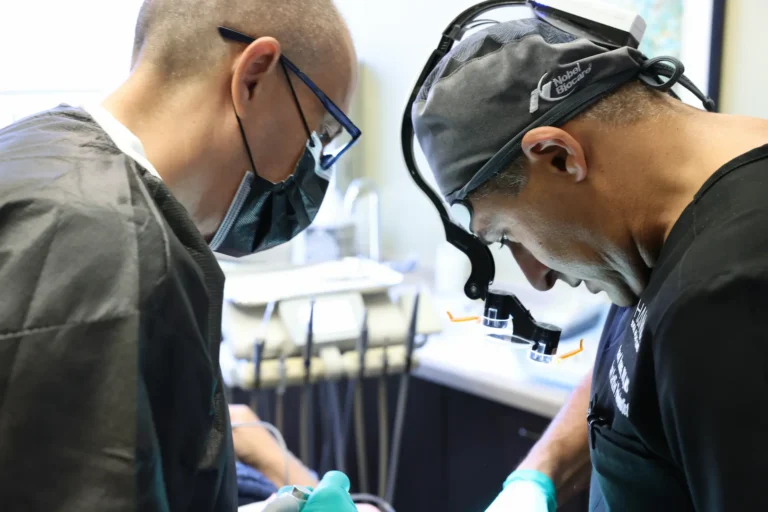
A dental implant torque test measures how stable an implant is in the bone. It assesses the implant’s anchorage after placement, helping dental specialists determine whether it can safely support a crown.
During the test, a controlled amount of force is applied to the implant using a specialized tool. This force is measured in units called newton-centimetres. Higher torque values indicate stronger initial stability, which is important for long-term success and for deciding if same-day treatment is possible.
The torque test dental implant professionals use is not about strength or pressure from the patient’s side. It is a precise clinical measurement that helps guide treatment decisions and reduce the risk of complications.
Does a Dental Implant Torque Test Hurt?
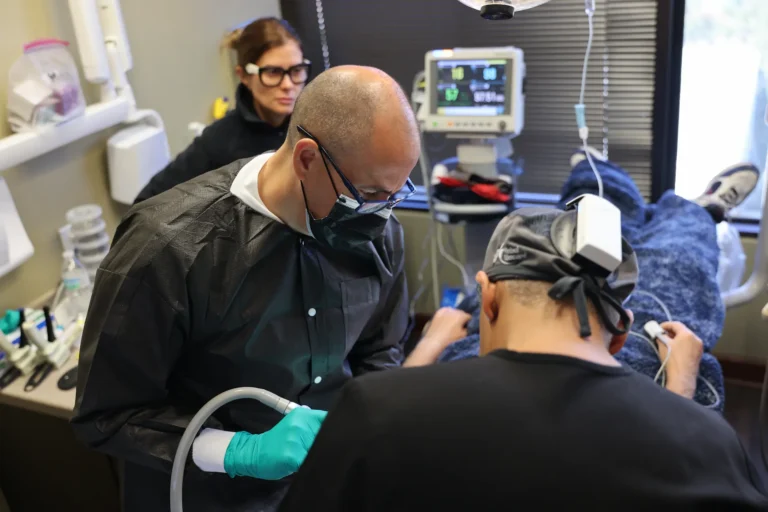
No. A dental implant torque test does not hurt. The test is performed during implant placement while the area is numb from local anesthesia, so you do not feel pain during the process.
Some patients worry that the test involves twisting or pressure that they can feel. In reality, the torque test is a controlled measurement done by a dental implant specialist, not a sensation you experience. It takes only a moment and does not add discomfort to the procedure.
After the appointment, mild soreness around the implant site is normal and typically related to the implant placement, not the torque test. This typically improves within a few days with standard aftercare.
What If You Don’t Pass a Dental Implant Test?
Not passing part of a dental implant test does not mean implants are off the table. It simply means a different approach may be safer or more predictable for your situation.
Some patients may need extra time for healing, treatment for gum health, or techniques to improve bone support before moving forward. Others may qualify for implants but follow a traditional timeline instead of same-day placement.
The purpose of dental implant testing is to identify the best solution, not to rule out options. With modern techniques and personalized planning, many patients who do not qualify right away still go on to receive successful dental implants with excellent long-term results.
Dental Implant Testing at The Comprehensive Dental Group of Houston
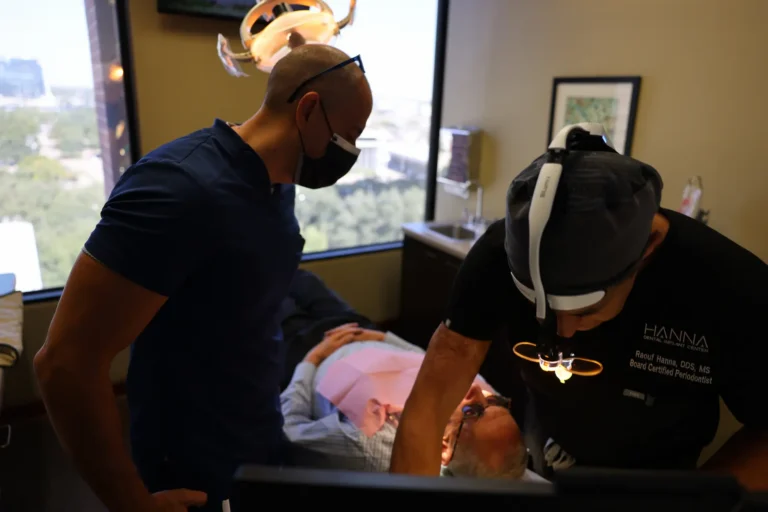
Dental implant testing at The Comprehensive Dental Group of Houston is designed to give you clear answers and real options. We use advanced imaging, detailed exams, and precise stability measurements to determine the safest and most effective course of care for you.
Each evaluation looks at bone quality, gum health, bite alignment, and overall oral condition. When an implant is placed, stability testing, such as the dental implant torque test, helps guide decisions about same-day treatment or a traditional timeline. Nothing is rushed. Every step is intentional and focused on long-term success.
Schedule Your Dental Implant Evaluation
A dental implant test is about finding the safest and most reliable way to restore your smile. Through careful exams, imaging, and stability testing, dentists can determine whether implants are right for you and which approach will deliver the best results.
Even if you have been told in the past that you were not a candidate, modern techniques often open new possibilities. The next step is a personalized evaluation that focuses on solutions, not limitations.
Schedule your consultation now to learn what your dental implant test reveals and explore the options available for restoring your smile with confidence.
Frequently Asked Questions
Can you still get dental implants if torque levels are low?
Yes. Lower torque values do not mean implants will fail. They usually indicate that a traditional healing timeline is the safer option before placing the final crown.
How long does a dental implant test take?
A dental implant test is usually completed in one visit. The appointment includes imaging, an exam, and treatment planning, and typically takes less than an hour.
Is a dental implant torque test done before or during surgery?
A torque test is done during implant placement, not before. It measures the implant’s stability once it’s placed in the bone and helps guide the next steps in treatment.

Dr. Omar Vera brings over 20 years of international experience in oral and maxillofacial surgery, with a strong focus on full mouth reconstruction and complex implant cases. Personally selected by founder Dr. Raouf Hanna, Dr. Vera continues the practice’s legacy of excellence at The Comprehensive Dental Group of Houston. His expertise includes full-arch implant treatments, zygomatic and transnasal implants for severe bone loss, and advanced reconstruction of atrophic jaws.
Known for treating cases previously considered “no option,” Dr. Vera is dedicated to restoring comfort, function, and confidence through state-of-the-art implant techniques. His patient-centered, precise approach ensures the high standard of care CDGH is known for.