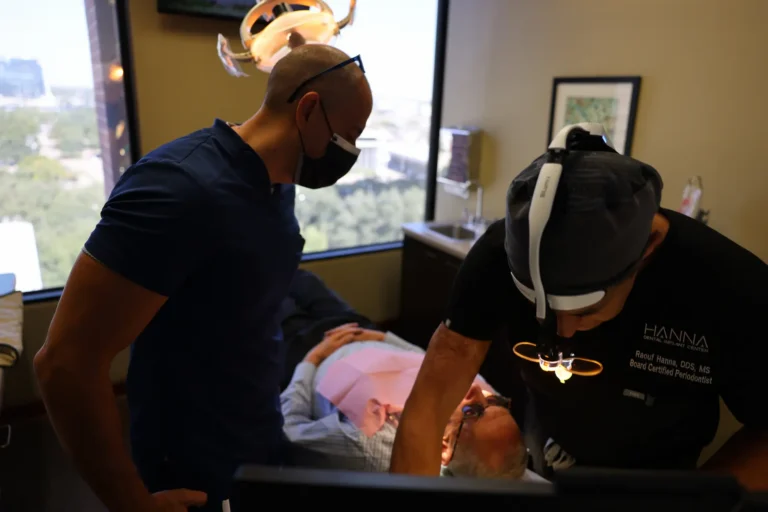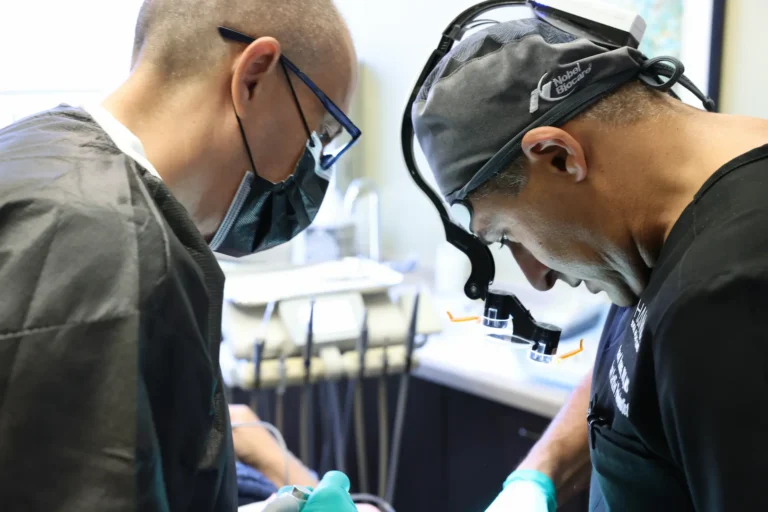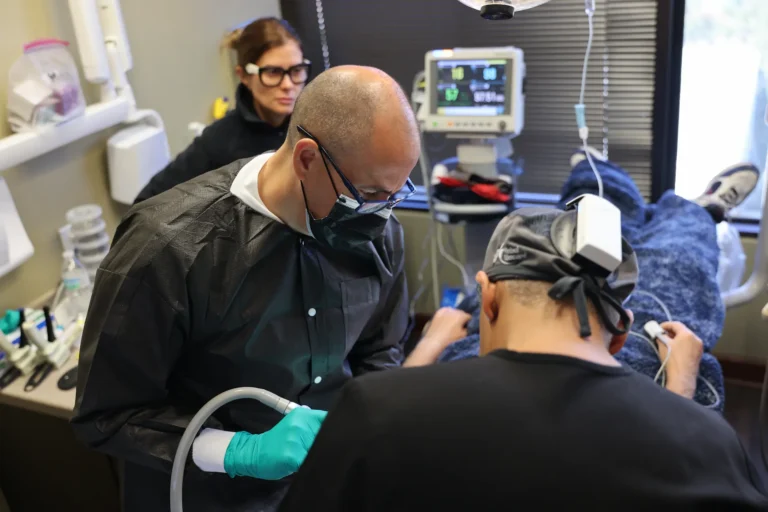

More than 37 million Americans are living with diabetes, and many also face dental problems like gum disease and tooth loss. Dental implants have transformed the way we replace missing teeth, but patients with diabetes often wonder if this option is safe for them. The answer is yes, implants can still be a strong solution, but there are important factors to consider.
Let’s discuss how diabetes affects oral health, what risks to be aware of, and how patients at The Comprehensive Dental Group of Houston can still achieve strong, lasting results with implants.
Key Takeaways
- Diabetes doesn’t rule out dental implants, but careful management is needed.
- Patients with well-controlled blood sugar often have the same success rates as non-diabetic patients.
- Poorly managed diabetes can increase the risk of slower healing, infection, and implant failure.
- Working with your healthcare team, keeping A1C levels stable, and following post-op care improves outcomes.
- At the CDGH, patients with diabetes receive personalized treatment plans and ongoing support to achieve safe and lasting results. Schedule your consultation now and discover if dental implants are right for you.
Diabetes doesn’t have to stop your new smile.
The Link Between Diabetes and Oral Health
Diabetes happens when the body has trouble managing insulin, the hormone that keeps blood sugar in check. When sugar levels stay too high, it can lead to serious health problems like heart disease, kidney issues, and vision loss.
It also affects the mouth. People with diabetes often heal more slowly and may not fight off infections as well as others. This can make the gums more vulnerable to disease, which is one of the main causes of tooth loss. Because healing is sometimes limited, patients with diabetes need extra care and monitoring when considering dental implants.
Dental Implants and Diabetes: Is It Possible?
Yes, many people with diabetes can safely get dental implants. The key factor is how well the condition is managed. When blood sugar levels are under control, success rates for implants are close to those of patients without diabetes.
On the other hand, poorly controlled diabetes raises the risk of complications. Healing takes longer, and the chance of infection goes up. That doesn’t mean implants aren’t an option, but it does mean extra care and planning are needed.
At The Comprehensive Dental Group of Houston, our dental implant specialists evaluate each patient’s health before treatment. With good communication and proper management, implants can still be a strong, lasting solution for diabetic patients.
How Diabetic Patients Can Improve Implant Success
Research shows that when diabetes is well managed, implant success rates are nearly the same as for patients without diabetes. That means the key isn’t whether you have diabetes, but how well your blood sugar is controlled before and after treatment. Here are five strategies that can make implants more successful for diabetic patients:
Control blood sugar: Keep A1C levels within the healthy range (often under 7%) to help the body heal properly after surgery. If levels are too high, we may recommend waiting until they’re stable.
Work with your healthcare team: Your implant specialist should coordinate with your doctor or endocrinologist to ensure that your overall health and diabetes care are part of the treatment plan.
Prepare ahead of time: Learn how to maintain healthy teeth and blood sugar levels. Consulting with a nutritionist, quitting smoking, and planning your diet after surgery can all help improve your results.
Check bone and infection risk: Using tools like CBCT scans, your dentist will make sure you have enough bone to support the implant. Because infections are more common in diabetic patients, antibiotics may be prescribed as a preventive step.
Gentle surgery and regular care: Minimally invasive techniques help reduce stress on your gums and jaw. Consistent follow-up visits are important to catch problems early and keep the implant secure for the long term.
With the right preparation and support, many patients with diabetes enjoy healthy, lasting results from dental implants.
Get the Smile You Want, Even with Diabetes
Having diabetes doesn’t mean you can’t get dental implants. With good blood sugar control, the right planning, and a supportive dental team, many patients experience lasting success. Implants can restore not just your smile, but also your ability to eat comfortably and feel confident again.
At The Comprehensive Dental Group of Houston, we’ll evaluate your health, answer your questions, and guide you through every step of the process.
Schedule your consultation now and find out if dental implants are the right choice for you.
Frequently Asked Questions
Do dental implants last as long for people with diabetes?
Yes, when diabetes is well managed, implants can last just as long as they do for patients without diabetes. The key is keeping blood sugar under control and maintaining good oral hygiene.
What blood sugar levels are safe for dental implant surgery?
Most dentists prefer to see A1C levels below 7% before moving forward with implant surgery. This shows that diabetes is well-controlled and lowers the risk of complications during healing.
Is healing time longer for diabetics with implants?
Healing may take a little longer if blood sugar isn’t stable, but many diabetic patients heal at a normal pace when their condition is well managed. Following post-op instructions closely also helps.
Are there alternatives if I can’t get implants?
Yes. Options like dentures or dental bridges may be recommended if implants aren’t suitable. Your dentist will evaluate your overall health, bone structure, and goals to suggest the best solution.
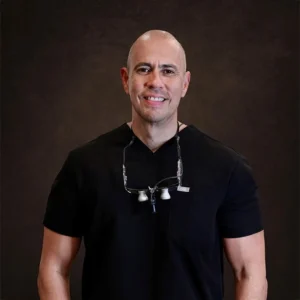
Dr. Omar Vera brings over 20 years of international experience in oral and maxillofacial surgery, with a strong focus on full mouth reconstruction and complex implant cases. Personally selected by founder Dr. Raouf Hanna, Dr. Vera continues the practice’s legacy of excellence at The Comprehensive Dental Group of Houston. His expertise includes full-arch implant treatments, zygomatic and transnasal implants for severe bone loss, and advanced reconstruction of atrophic jaws.
Known for treating cases previously considered “no option,” Dr. Vera is dedicated to restoring comfort, function, and confidence through state-of-the-art implant techniques. His patient-centered, precise approach ensures the high standard of care CDGH is known for.